
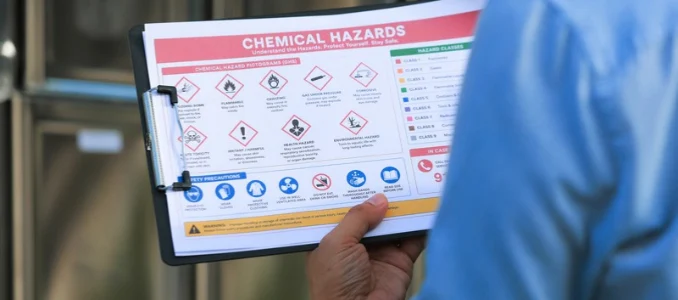
The updated HCS is not merely a procedural shift but a comprehensive overhaul of how chemical dangers are identified, labeled, and communicated within the workplace. As global supply chains become increasingly complex and chemical manufacturing evolves, the necessity for a standardized, clear, and accurate language of safety has never been more critical. For Kentucky employers, this means a rigorous review of existing chemical inventories, internal safety protocols, and employee education programs.
Understanding the Regulatory Landscape: The Path to November 2026
The revised Hazard Communication Standard, which serves as the bedrock for the current mandate, represents a significant evolution in industrial safety. Its roots trace back to the implementation of the Globally Harmonized System of Classification and Labelling of Chemicals (GHS), a worldwide initiative designed to promote consistent chemical safety standards.
Historically, OSHA’s HCS has been one of the most frequently cited standards in federal inspections. Year after year, failing to have a written hazard communication program or neglecting to provide adequate employee training consistently ranks among the top ten most common OSHA violations. By aligning the U.S. standard more closely with the latest international revisions of the GHS, OSHA aims to harmonize safety documentation across borders, thereby reducing confusion and minimizing the risk of workplace accidents caused by misunderstood chemical properties.
The timeline for these changes began in earnest earlier in 2026, when the federal government formalized the transition period. Employers were granted a period to audit their facilities, update their Safety Data Sheets (SDS), and re-evaluate the chemical classifications within their operations. November 20, 2026, serves as the hard enforcement date, signifying the end of the transition and the beginning of mandatory full-scale compliance.

Core Requirements: What Employers Must Prioritize
The mandate issued by KYSAFE and OSHA covers four primary pillars of workplace safety that every employer must address before the deadline:
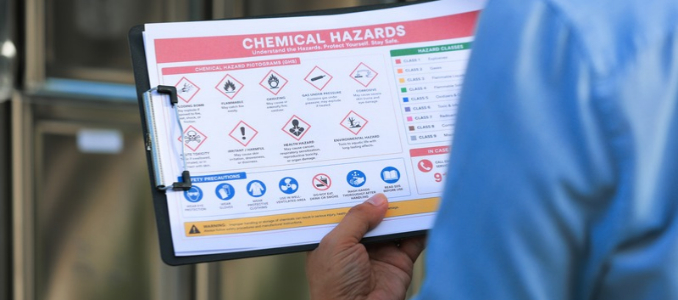
- Chemical Classification and Labeling: Employers must ensure that every chemical container in the workplace is correctly labeled according to the new standards. This includes verifying that hazard pictograms, signal words, and hazard statements are accurate based on the most recent classification data.
- Safety Data Sheet (SDS) Updates: Safety Data Sheets are the primary source of information regarding the risks associated with hazardous chemicals. Under the revised standard, if a substance is newly identified as hazardous or if its classification has changed, the corresponding SDS must be updated to reflect these findings.
- Hazard Communication Programs: Employers are required to maintain a written program that outlines how they identify and manage chemical risks. This document must be reviewed and, where necessary, revised to incorporate the new terminology and classification criteria mandated by the update.
- Comprehensive Employee Training: Perhaps the most critical component, training must be updated to ensure workers are fully informed about the new hazard classifications and how to interpret the updated labels and SDS documents. Training is not a one-time event; it must be an ongoing process that keeps pace with the introduction of new chemicals into the facility.
Fact-Based Analysis of Compliance Implications
The implications of this deadline extend beyond mere paperwork. A failure to comply can have devastating consequences for both employees and employers. For the worker, the primary risk is the misidentification of a chemical hazard, which can lead to improper handling, accidental exposure, and long-term health consequences, such as respiratory issues, chemical burns, or chronic toxicity.
For the employer, the financial and operational risks are substantial. OSHA inspections are often triggered by reports or random audits, and non-compliance with the HCS can lead to significant monetary fines. Beyond the financial impact, there is the risk of reputational damage, increased insurance premiums, and the potential for costly litigation.

From an operational standpoint, the transition represents a significant labor investment. Small to medium-sized enterprises (SMEs) in Kentucky, which may lack dedicated in-house environmental health and safety (EHS) departments, face the greatest challenge. These businesses are encouraged to utilize the resources provided by KYSAFE to bridge the gap in technical expertise.
Official Guidance and Educational Support
Recognizing the technical complexity of the transition, KYSAFE has taken proactive steps to support the business community. By launching a dedicated educational campaign, the program provides a roadmap for compliance that is both accessible and comprehensive.
The recorded webinar released by KYSAFE is designed to serve as a practical guide for EHS managers, safety officers, and business owners. It provides a granular look at the nuances of chemical labeling, the specific data points required for updated SDS, and the pedagogical requirements for effective employee training. By leveraging these digital resources, employers can ensure that their staff is not only compliant with the law but is also better protected against the inherent dangers of the workplace.

The OSHA national hazard communication portal remains the definitive source for the standard’s technical specifications. Employers are encouraged to consult these documents directly to ensure that their internal interpretations of the regulations align with federal expectations.
Broader Impact on Kentucky’s Industrial Sector
Kentucky’s economy is heavily reliant on manufacturing, logistics, and chemical processing—industries that are inherently exposed to the hazards addressed by this regulation. As the state continues to attract significant investments in automotive manufacturing and advanced battery production, the volume and complexity of hazardous chemicals present in Kentucky workplaces are on the rise.
The rigorous application of the revised HCS is, therefore, a vital component of the state’s broader economic safety strategy. By raising the bar for chemical safety, Kentucky is positioning itself as a state that prioritizes both industrial output and worker wellbeing. Industry analysts suggest that companies that treat this compliance deadline as an opportunity to modernize their safety culture—rather than a mere regulatory hurdle—often see improvements in operational efficiency, reduced turnover, and higher morale among their workforce.

Conclusion: The Responsibility of the Employer
As November 20, 2026, approaches, the message from KYSAFE is clear: compliance is not optional, and the time for final preparation is now. The responsibility lies with the employer to conduct a thorough inventory, update all documentation, and ensure that every employee is equipped with the knowledge to identify and avoid chemical hazards.
The transition to the updated Hazard Communication Standard is a pivotal moment for workplace safety in the United States. By adhering to these new requirements, Kentucky employers are demonstrating a commitment to a safer, more transparent, and more informed industrial environment. Whether through updating physical labeling systems or investing in robust digital training modules, the actions taken in these final weeks will determine the safety standard for years to come. Employers who take decisive, informed action today will not only avoid the penalties of non-compliance but will also secure the long-term health and safety of their most valuable asset: their employees.