A Period of Organizational Assessment
The first thirty days of Kiego’s tenure have been defined by an intensive audit of the organization’s financial and operational infrastructure. Unlike many larger non-profits that maintain expansive corporate headquarters, the NAD operates with a lean, specialized staff of six employees. Kiego’s initial findings indicate that while the organization has remained resilient, it has functioned under significant resource constraints, often without the necessary capital or administrative bandwidth to fully capitalize on its advocacy potential.
Kiego’s immediate priority has been the stabilization of the organization’s fiscal health. Upon assuming the role, he dedicated his first three days exclusively to a deep-dive analysis of the association’s budgetary practices, investment strategies, and financial monitoring systems alongside the Chief Financial Officer. This fiscal discipline is intended to serve as the foundation upon which all other strategic initiatives—including legal advocacy, policy work, and youth outreach—will be built.
Structural Realities and Operational Challenges
One of the most significant themes emerging from Kiego’s early tenure is the reality of the organization’s physical and personnel capacity. Both Kiego and Ambassador Goff noted the modest nature of the NAD’s current headquarters, a reality that stands in contrast to the perception of the organization held by many within the community. For years, there has been a disconnect between the public’s view of the NAD as a sprawling, well-funded institution and the reality of its compact, resource-starved office space.
Kiego has expressed a deliberate strategy of transparency regarding these limitations. By acknowledging that the organization is not currently operating at the level of "perfection" or "financial abundance," he aims to reset expectations and foster a more authentic, collaborative relationship with the deaf community. "I don’t want to fabricate that NAD is in perfect shape," Kiego remarked during the interview. "It is not. Right now is my opportunity to show that to everyone… then let’s, together, make it better going forward."
Strategic Wins and Immediate Milestones
Despite the challenges, Kiego’s first month has yielded tangible operational progress. The organization has successfully initiated a recruitment process for a new webmaster and IT systems administrator to address long-standing technical issues and broken infrastructure on the NAD’s digital platforms. Additionally, in coordination with the Youth Programs Director, Claudia, the association has secured a volunteer grant writer specifically tasked with expanding funding streams for the Jr. NAD program.
These early successes are part of a broader shift toward optimizing the organization’s core pillars: legal advocacy, youth development, and federal policy work. Kiego has emphasized that while the current staff has functioned as "workhorses" for the past two to three years, the organizational goal is to move from survival mode to a model of sustained growth and institutional recognition.
Bridging the Generational Gap in Advocacy
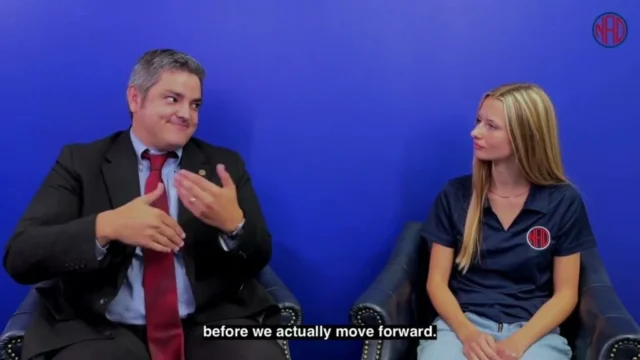
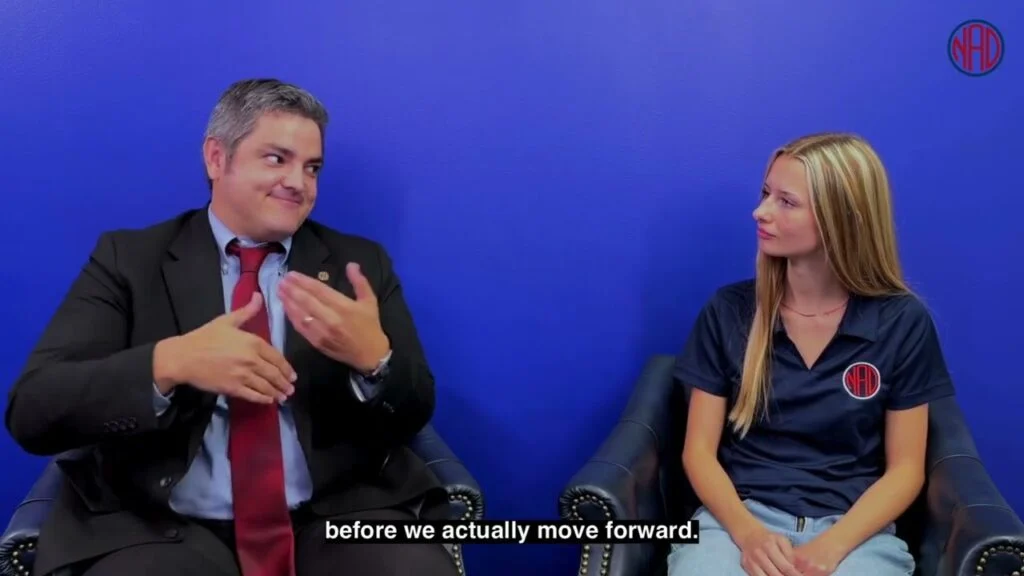
A central component of the discussion with Marisa Goff centered on the future of the organization: the engagement of deaf youth. Goff provided critical feedback, noting that while many young individuals remain passionate about the mission, they often feel disconnected from the NAD’s legacy advocacy efforts. She identified a lack of visibility at the local and state levels as a primary hurdle to increasing membership and participation among the younger demographic.
Kiego and Goff discussed the necessity of evolving the organization’s outreach strategies. The consensus reached was that social media should function as a digital window into the organization, providing a glimpse of the culture and advocacy work, while in-person events must be prioritized as the venue for the "full experience." Kiego expressed a commitment to empowering Jr. NAD representatives, suggesting that utilizing the digital networks and influence of younger members will be essential for modernizing the NAD’s recruiting and advocacy efforts.
The Call for Community Collaboration
As the organization looks toward the next six months, Kiego has issued an open invitation for community-based support. Acknowledging that current financial limitations prevent the immediate hiring of additional paid staff, he is seeking to mobilize a robust volunteer base to provide the "people power" necessary for scaling the organization’s operations.
The areas identified as most critical for volunteer intervention include:
- Legal Intake and Support: Engaging retired legal professionals to assist with the intake of prospective clients.
- Communications and Public Relations: Establishing a dedicated team to manage outreach and community engagement.
- Administrative Assistance: Supporting day-to-day operations, including membership inquiries and digital correspondence.
Kiego underscored that this approach is not merely a temporary fix, but a necessary evolution of the association’s business model. "I hope to attract a more robust communications team," Kiego noted, "but they’d have to be volunteer-based. That’d help us better connect with our community."
Implications for the Future of the NAD
The recent dialogue between the CEO and the Jr. NAD Ambassador signals a shift toward a more transparent and community-centric organizational culture. The implications of this approach are significant; by aligning the community’s expectations with the actual operational constraints of the organization, Kiego hopes to mitigate the frustration that often arises when stakeholders feel disconnected from the association’s inner workings.
The timeline for these changes is measured. Kiego has requested patience and grace from the community, warning that the organization may undergo a period of realignment—potentially involving a temporary step back—before achieving the level of impact that the community expects. This period of transition will be defined by a focus on financial stabilization and the strengthening of core programs.
Conclusion: A Foundation for Growth
As the NAD navigates this period of internal evaluation and external outreach, the emphasis remains on long-term sustainability. By focusing on the "pipeline" of future members—the youth—and maintaining a rigorous focus on the financial and operational health of the organization, Kiego aims to transform the NAD into a more agile, responsive, and resource-rich entity.
The collaboration between the new CEO and the youth leadership highlights a proactive effort to bridge the generational divide that has historically hindered advocacy organizations. For the NAD, the next few months will be a test of whether this model of radical transparency and community mobilization can successfully revitalize one of the most important institutions in the deaf community. As Kiego continues his series of meetings with stakeholders, the focus will remain on building a foundation that ensures the NAD remains an effective advocate for the rights and interests of deaf and hard-of-hearing Americans for decades to come.