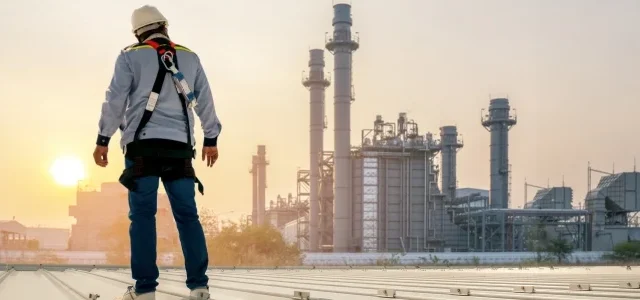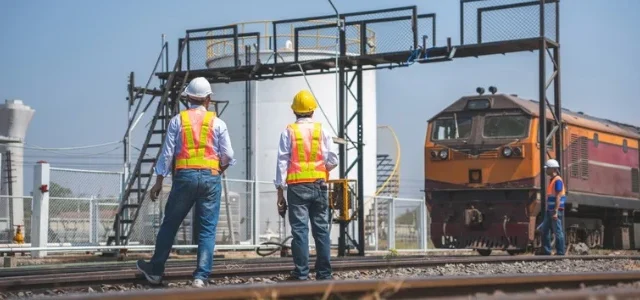

The rejected revisions were primarily rooted in a legal settlement between the Western States Petroleum Association (WSPA) and the California Attorney General’s office. The WSPA had previously argued that certain components of the existing 2017 regulations exceeded the board’s statutory authority or were unnecessarily burdensome. However, by voting against the proposed changes, the board signaled a continued commitment to the robust safety framework that has defined California’s industrial landscape for the better part of a decade.

The 2012 Catalyst: A Legacy of Reform
To understand the weight of the board’s decision, one must look back to the catalyst for the existing regulations: the August 6, 2012, fire at the Chevron refinery in Richmond, California. That incident, which resulted from the failure of a severely corroded pipe, released a massive plume of hydrocarbons into the air. Approximately 15,000 residents in the surrounding communities sought medical treatment for respiratory issues, and the event caused widespread public alarm regarding the proximity of industrial hazards to residential areas.
The subsequent investigation by the U.S. Chemical Safety and Hazard Investigation Board (CSB) was scathing. The report concluded that the fire was entirely preventable and highlighted a systemic failure in the refinery’s process safety management systems. Specifically, the CSB found that the company had failed to implement effective safeguards, ignoring internal recommendations to replace the pipe that eventually ruptured.
In the aftermath, labor unions—most notably the United Steelworkers (USW)—and environmental advocacy groups such as the BlueGreen Alliance, began a sustained campaign for legislative and regulatory reform. This advocacy culminated in the 2017 updates to Title 8, Section 5189.1. These regulations were designed to be some of the most rigorous in the United States, mandating that refinery operators prioritize the "Hierarchy of Hazard Controls"—a methodology that favors engineering solutions over administrative ones—and providing workers with a formalized, protected role in safety reviews.

Understanding the Key Regulatory Provisions
The 2017 regulations, which the board has now solidified by rejecting the proposed amendments, include several critical components that industry groups had sought to modify:
- Worker Participation: The rules require that employees and their union representatives be actively involved in the development and implementation of all process safety management programs. This includes the right to participate in "incident investigations," "process hazard analyses," and "management of change" (MOC) reviews.
- Damage Mechanism Reviews (DMR): Refineries are required to identify and document all damage mechanisms—such as corrosion, fatigue, or erosion—that could affect equipment integrity. These reviews must be updated whenever significant changes are made to the plant.
- Hierarchy of Hazard Controls (HHC): Perhaps the most contentious element for industry, this requires that when a refinery identifies a hazard, it must prioritize the most effective controls. This means moving beyond simple protective gear or training (administrative controls) toward changing the process, substituting chemicals, or isolating the hazard (engineering and design controls).
The proposed changes that were recently rejected would have diluted these requirements, providing refinery operators with more flexibility in how they conducted these analyses and, according to labor advocates, reducing the transparency and oversight that currently exists.
Industry vs. Labor: A Regulatory Tug-of-War
The tension surrounding these rules reflects a broader debate within the energy sector. The Western States Petroleum Association, representing the interests of the major refiners, has long maintained that while safety is a paramount concern, the specific language in the 2017 regulations was overly prescriptive and created significant operational inefficiencies.

In legal filings leading up to the settlement that spurred these proposed revisions, the industry argued that the "Hierarchy of Hazard Controls" requirement, in particular, was technically unfeasible in many complex refinery scenarios. They posited that the regulatory burden forced companies to spend excessive resources on redundant documentation rather than on actual safety improvements.
Conversely, the United Steelworkers and labor safety experts argue that the existing regulations are the only reason why safety standards have remained high in the last seven years. By empowering workers—who are the first to encounter safety risks on the ground—the state has created a "culture of safety" that is fundamentally tied to the ability of the workforce to voice concerns without fear of reprisal. Proponents of the current law argue that any reduction in these standards would inevitably lead to a regression in safety culture, increasing the risk of another catastrophic event similar to the 2012 Richmond fire.
Statistical Context of Refinery Safety
Data from the California Department of Industrial Relations shows that since the implementation of the 2017 regulations, the frequency of major process safety incidents has trended downward, though the sector remains high-risk. Between 2010 and 2017, the state experienced several "near-miss" incidents that prompted intense regulatory scrutiny. Following the 2017 update, the focus shifted from reactive investigation to proactive, preventative oversight.

However, industry representatives have pointed to data suggesting that the cost of compliance in California is significantly higher than in other states, which they argue contributes to the rising cost of fuel for California consumers. While the board acknowledged these economic considerations, the final vote suggests that the state’s commitment to public health and worker safety remains a higher priority than the marginal reduction of operating costs for refinery owners.
Implications for Future Policy
The rejection of these changes is a significant victory for labor and environmental justice groups. It reinforces the precedent that regulatory standards governing industrial hazards are not subject to negotiation in the same way that standard business regulations might be.
For the industry, the path forward remains defined by the status quo. Refineries must continue to adhere to the 2017 standards, including the rigorous documentation of damage mechanisms and the inclusion of workers in safety processes. Experts suggest that the industry may now focus its efforts on petitioning the California legislature for statutory changes, rather than attempting to alter the regulatory language through the Cal/OSHA Standards Board.

Furthermore, this decision could influence how other states approach their own refinery safety laws. California’s regulations are often viewed as a "gold standard" or a bellwether for other jurisdictions. By maintaining these strict requirements, California has effectively set a floor for safety expectations that other states may choose to emulate, particularly as the climate crisis and the transition to renewable energy put more pressure on the long-term viability of fossil fuel infrastructure.
The Road Ahead
As the California Occupational Safety and Health Standards Board moves past this vote, the focus will likely return to the enforcement and implementation of the existing rules. Regulators are tasked with ensuring that companies are not just following the letter of the law in their documentation, but are actually applying the hierarchy of controls to minimize the risks posed by volatile chemical processes.
For the refinery workers on the front lines, the board’s decision offers a degree of job security and peace of mind. By keeping the current safety frameworks intact, the state has affirmed that the workers’ role in identifying and mitigating hazards is not a bureaucratic hurdle, but an essential component of industrial safety.

As energy production methods continue to evolve and as aging infrastructure becomes a growing concern across the country, the role of these safety regulations will only become more critical. The unanimous nature of the vote—sending a clear message to industry stakeholders—suggests that in California, the era of robust, worker-involved, and highly regulated refinery safety is not coming to an end. Instead, it remains a cornerstone of the state’s industrial policy, serving as a reminder that the cost of safety is far lower than the cost of a disaster.