The Diagnostic Landscape: A Timeline of Discovery
The Krenn family’s experience began when Jack was merely one month old. The diagnostic process for infants with hearing loss is often characterized by a rapid influx of clinical data, ranging from audiometric testing to genetic counseling. For many parents, the immediate aftermath of a hearing loss diagnosis involves navigating a dense array of medical jargon, including terms like BAHA (Bone-Anchored Hearing Aid), conductive loss, and sensorineural loss.
Jack’s diagnosis was particularly complex due to the presence of EFTUD2, a rare condition that affects craniofacial development and is frequently accompanied by hearing impairment. In the first year of his life, the family faced a rigorous schedule of appointments, including multiple surgical interventions, Department of Social and Health Services (DSHS) applications, and the selection of appropriate developmental programs. This phase of the journey is defined in the medical community as the "Early Intervention Window," a period critical for brain plasticity and language acquisition. Research indicates that children who receive intervention before the age of six months show significantly higher outcomes in language and social development compared to those who do not.
Clinical Support and the Role of Speech-Language Pathology
Following the initial diagnosis, the Krenn family sought services at Listen and Talk, an organization specializing in auditory-oral education for children with hearing loss. A central figure in Jack’s development was his speech-language pathologist (SLP), whose role extended beyond traditional therapy. In the context of early intervention, the SLP acts as a mediator between clinical requirements and family dynamics.
By providing consistent, weekly sessions, the intervention team was able to address not only the hearing loss—which was ultimately identified as a unilateral conductive loss—but also the secondary challenge of childhood apraxia of speech. Apraxia is a neurological disorder that affects the motor planning required to produce clear speech. The dual burden of hearing impairment and apraxia requires a specialized, intensive approach to therapy. The collaboration between the family and the clinical team allowed for the integration of therapeutic strategies into daily routines, a practice supported by the "natural environment" model of early childhood education.
Data-Driven Perspectives on Early Intervention
The success observed in Jack’s progress is backed by broader statistical trends regarding pediatric hearing health. According to the Centers for Disease Control and Prevention (CDC), hearing loss is one of the most common congenital conditions in the United States, affecting approximately 1.7 per 1,000 newborns. Early intervention programs are designed to mitigate the long-term impact of this condition by providing access to communication tools, such as hearing aids or cochlear implants, combined with specialized pedagogical support.
The financial and social implications of these programs are significant. Studies suggest that every dollar invested in early intervention for children with disabilities yields substantial long-term returns by reducing the need for intensive special education services in later years. Moreover, the social-emotional impact on the family unit is profound. By transforming a state of crisis—often marked by anxiety and confusion—into a structured, informed partnership, programs like Listen and Talk provide a blueprint for how families can effectively manage chronic pediatric health conditions.
The Impact of the Blended Classroom Model
As Jack transitioned into a preschool environment, his progress became increasingly visible within a social setting. The "blended classroom" model utilized at Listen and Talk allows children with hearing loss to interact within a structured peer group that emphasizes language development through collaborative learning. This model addresses the psychosocial aspects of hearing loss, helping children build confidence and communication skills in real-world scenarios.
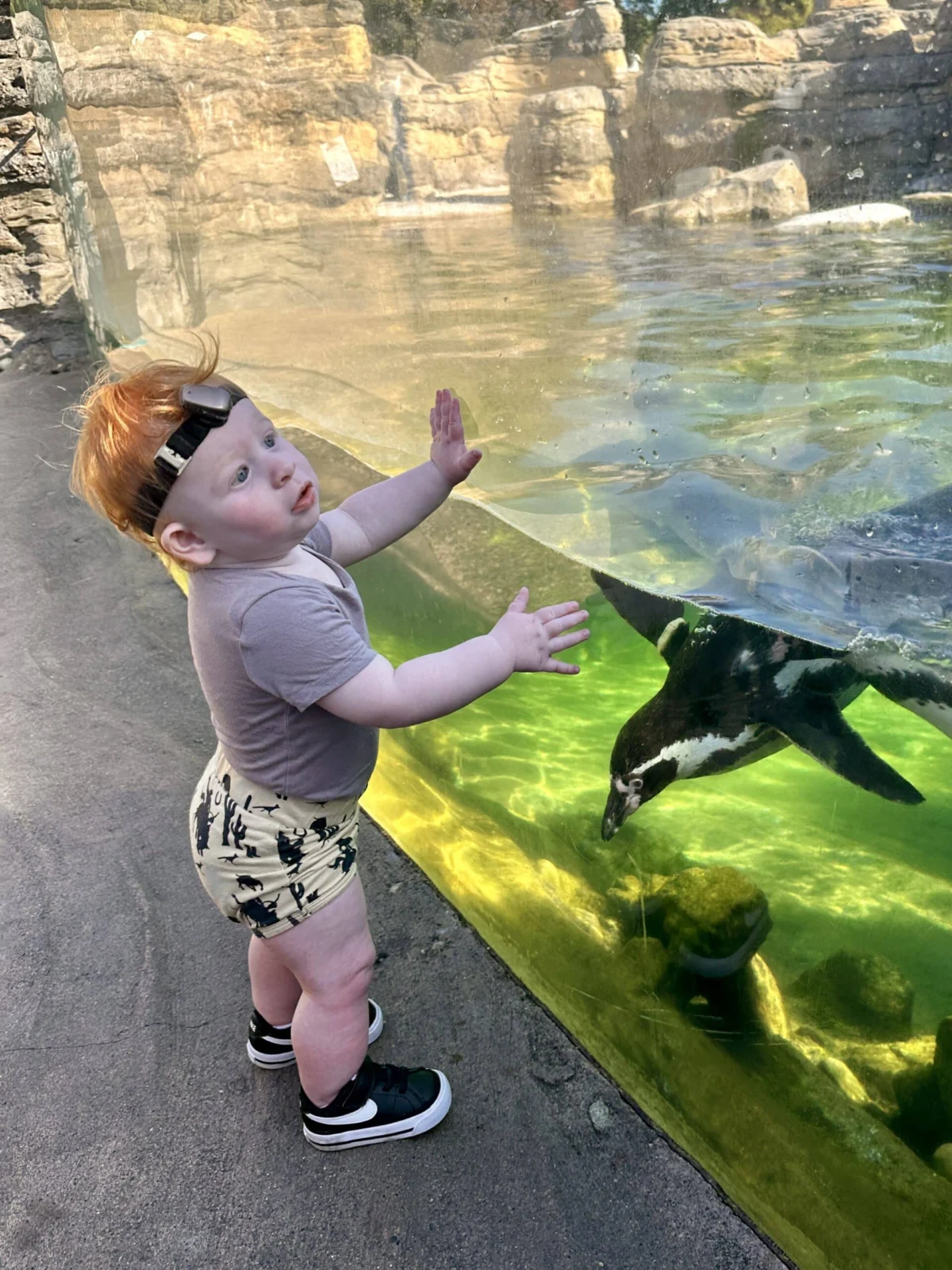
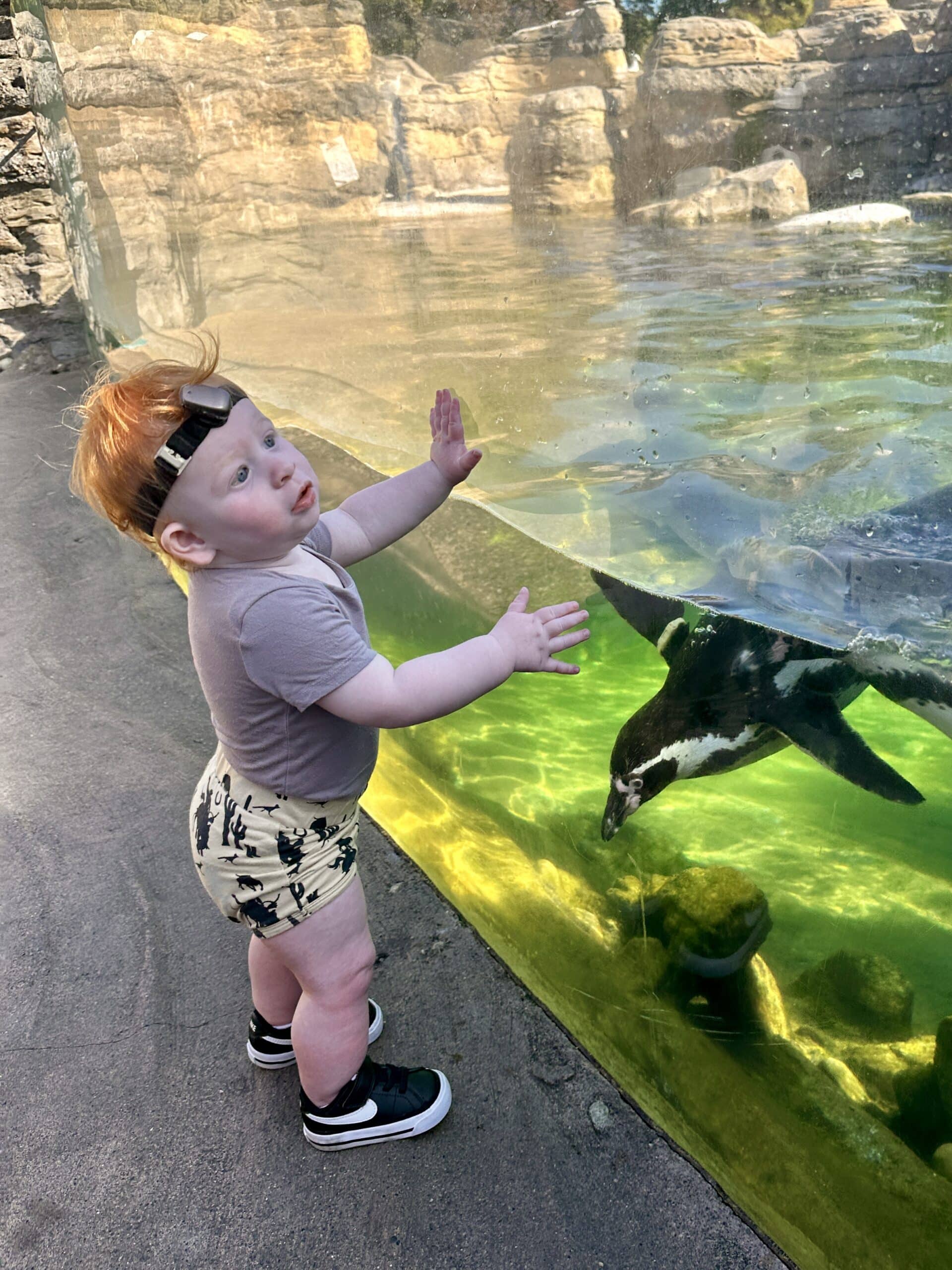
Educational experts emphasize that for children with hearing loss, the "listening environment" is paramount. This includes classroom acoustics, the use of assistive technology, and the pedagogical approach of the instructors. For Jack, the transition from infancy to toddlerhood has been marked by a shift in identity: from a child defined by his medical needs to one defined by his interests, such as his affinity for zoology and his persistent, energetic personality—affectionately dubbed "The Honey Badger."

Addressing the Broader Implications
The story of the Krenn family is representative of a larger narrative within the deaf and hard-of-hearing community. The transition from "beige and clear" technology—often chosen for its anonymity—to neon and glittered devices symbolizes a significant cultural shift. It reflects a growing movement toward embracing hearing technology as a core component of one’s identity, rather than something to be hidden.
This transition is facilitated by the community-building aspects of early intervention. When parents connect with other families navigating similar diagnoses, the isolation often associated with rare genetic conditions and hearing loss is reduced. This community support is essential for the long-term sustainability of pediatric programs, which often rely on a blend of private funding, government grants, and charitable contributions.
The Future of Pediatric Hearing Services
As of 2026, the focus of programs like Listen and Talk remains on the "no child is limited by hearing loss" philosophy. The financial sustainability of these services is increasingly dependent on the support of the public and philanthropic organizations. The Alumni Family Giving Campaign, which supports programs such as audiology testing and parent education, plays a vital role in ensuring that the next generation of families receives the same level of comprehensive care that the Krenn family experienced.
The implications of these services extend far beyond the individual child. By supporting the development of children with hearing loss, society benefits from a more inclusive educational and professional landscape. As Jack continues to navigate his early education, the focus remains on the synthesis of clinical, parental, and educational efforts. His trajectory suggests that with early, consistent, and compassionate intervention, the limitations once associated with hearing loss and complex genetic conditions are being rapidly dismantled.
Conclusion
The evolution of Jack Krenn’s journey, from a complex, medically intensive infancy to a confident and inquisitive preschool life, underscores the vital importance of early intervention systems. By documenting the intersection of medical necessity and pedagogical support, his story serves as a testament to the resilience of children and the transformative power of specialized support services. As the field continues to evolve, the focus on holistic, family-centered care remains the gold standard for achieving positive developmental outcomes for children facing the challenges of hearing loss and developmental disabilities. The Krenn family’s transition—from fear and uncertainty to advocacy and community engagement—serves as a compelling narrative for the ongoing need for robust, accessible early intervention infrastructure.