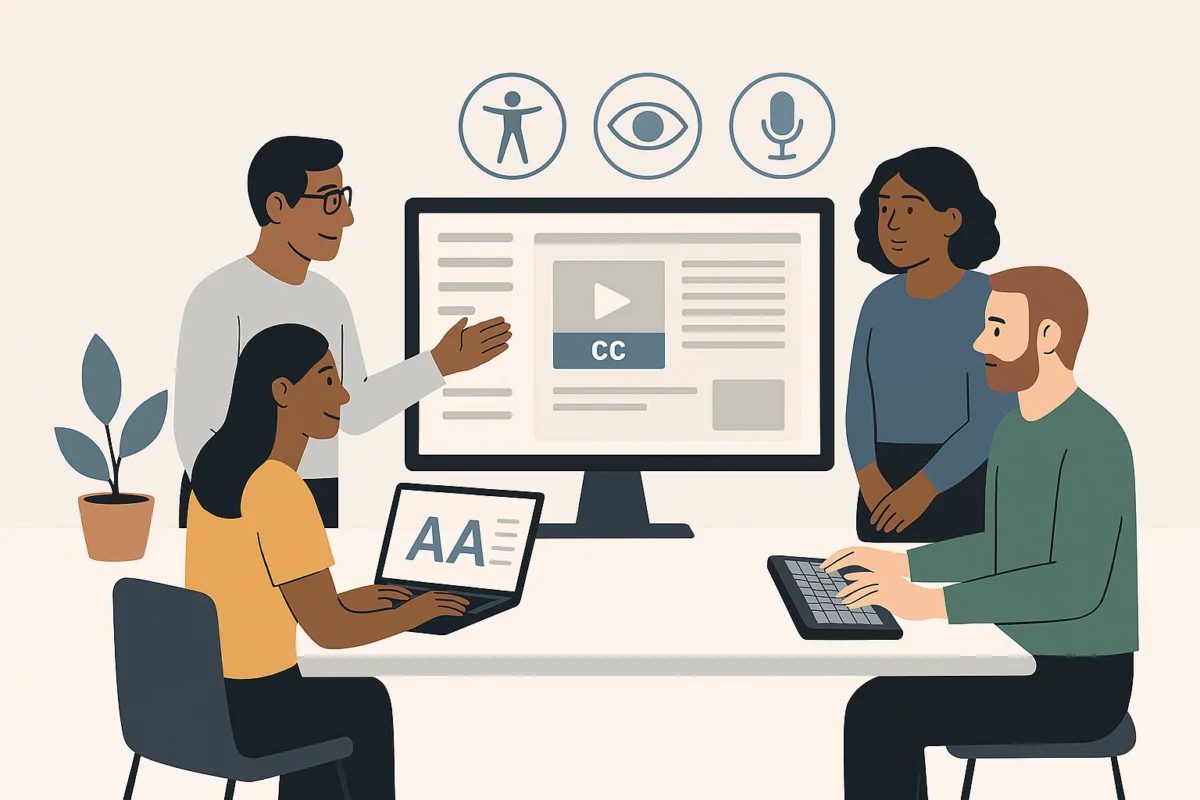
The 2026 iteration of the event focuses on the theme of designing, developing, and delivering accessible digital services. This theme mirrors the global objectives of GAAD, emphasizing that accessibility is not merely a checkbox for compliance but a fundamental component of high-quality service delivery. As the UK government continues its transition toward "digital by default" services, ensuring that no citizen is left behind due to physical, sensory, or cognitive impairments has become a central pillar of national administrative strategy.
The Strategic Importance of Digital Accessibility in 2026
Digital accessibility has evolved from a niche technical requirement into a core legal and ethical obligation for the UK public sector. Under the Public Sector Bodies (Websites and Mobile Applications) (No. 2) Accessibility Regulations 2018, all public sector digital platforms are required to meet specific standards, primarily the Web Content Accessibility Guidelines (WCAG). However, the 2026 event aims to move beyond the minimum legal requirements, focusing instead on "inclusive design"—an approach that ensures products are usable by the widest possible audience.
Statistical data underscores the urgency of this mission. According to recent figures from the Department for Work and Pensions (DWP), approximately 16 million people in the UK—nearly 24% of the population—live with a disability. This demographic includes individuals with visual impairments, hearing loss, motor disabilities, and neurodivergent conditions such as autism and dyslexia. Furthermore, an aging population means that an increasing number of citizens face age-related digital barriers, such as reduced fine motor skills or declining eyesight.
By prioritizing accessibility, government departments aim to tap into the "Purple Pound"—the estimated £274 billion in annual spending power of disabled people and their families—while simultaneously reducing the costs associated with traditional, non-digital support channels.
Chronological Overview of Digital Accessibility Week 2026
The event is structured as a four-day intensive program, featuring live sessions hosted by various departments including the Home Office, HM Revenue and Customs (HMRC), and the Ministry of Justice (MoJ).
Monday, May 18: Foundations and Future Standards
The week commences with a focus on foundational knowledge and the shifting landscape of international standards. The Home Office will lead an "Introduction to Accessibility," a non-technical primer designed to build empathy and understanding across all levels of the civil service. This is followed by a technical deep dive from the DWP into assistive software, highlighting how screen readers, magnification tools, and voice recognition software interact with government websites.
A highlight of the opening day is the Government Digital Service (GDS) session on "WCAG 3 and what it means for you." As the digital world transitions from WCAG 2.2 toward the more holistic WCAG 3.0 (often referred to as "Silver"), GDS experts will analyze how these new guidelines will change the way government services are audited and maintained.
Tuesday, May 19: Inclusive Design and Cognitive Accessibility
Tuesday’s agenda shifts toward the user experience. HMRC will host a significant session on "Designing with autistic people," emphasizing that inclusive design for neurodivergence often results in a better experience for all users. This is complemented by an MoJ exploration of "accessible innovation," which argues that constraints in accessibility often drive the most creative and efficient digital solutions.
The afternoon sessions will address the broader social context of technology. A joint session between HMRC and Ofcom will present research into digital media literacy, examining the social factors that lead to digital exclusion. The day concludes with the Student Loans Company (SLC) providing a "beginner-friendly" guide to accessibility testing, empowering non-specialists to identify common digital barriers using automated tools like WAVE.
Wednesday, May 20: Practical Application and Technical Skills
Mid-week sessions focus on practical implementation. A collaborative session between HMRC and Lloyds Bank will discuss "designing banking for real lives," offering a rare cross-sector look at how the public and private spheres can align their accessibility goals. In a more unconventional session, the Department for Environment, Food & Rural Affairs (Defra) will explore what the public sector can learn from the video game industry, which has recently seen massive strides in blind-accessible gameplay and haptic feedback.
Technical proficiency is also a priority on Wednesday, with the DWP presenting an analysis of "Common WCAG fails." By comparing data from the WebAIM Million study with internal UK government audits, this session aims to highlight the most frequent errors, such as poor color contrast and missing alternative text, and provide immediate fixes.
Thursday, May 21: Compliance, Governance, and Career Pathways
The final day, coinciding with Global Accessibility Awareness Day, focuses on sustainability and professional development. The DWP will provide practical training on creating accessible PowerPoint templates, ensuring that internal communications are as inclusive as external services. HMRC will also lead a session on the "quiet magic" of regulations, explaining the enforcement mechanisms that ensure departments remain accountable.
The week concludes with a look at the "Accessibility Assessor" role within the Department for Education (DfE) and the SLC. This provides a window into how services are officially vetted against the Service Standard. Finally, a session titled "The One Where I Become an Accessibility Specialist" will highlight the growing Digital Accessibility Specialist apprenticeship program, signaling a commitment to building a permanent, skilled workforce dedicated to inclusion.
Official Responses and Cross-Departmental Collaboration
The collaborative nature of Digital Accessibility Week 2026 reflects a "One Government" approach to digital transformation. While individual departments lead specific sessions, the overarching coordination is managed through the cross-government accessibility community.
Lead accessibility experts within the GDS have noted that the 2026 event is expected to see record participation. "Accessibility is no longer a niche interest for a few developers; it is a core competency for every public servant," a representative from the Central Digital and Data Office (CDDO) suggested in a preliminary briefing. "This week is about moving from awareness to action. We are seeing a cultural shift where departments are competing to see who can create the most inclusive user journeys."
Participating bodies have emphasized that the event is restricted to public sector employees to ensure a focused environment where internal challenges can be discussed openly. However, the insights gained are intended to have a far-reaching impact on the millions of citizens who interact with these services daily.
Analysis of Broader Implications and Future Outlook
The themes of Digital Accessibility Week 2026 suggest a maturing of the UK’s digital strategy. Several key trends are emerging from the planned curriculum:
- The Integration of AI: While not a standalone topic, the influence of Artificial Intelligence is woven through many sessions. AI-driven testing tools and automated captioning are becoming standard, but the 2026 sessions emphasize the need for human oversight to ensure these tools do not inadvertently introduce new biases.
- Cognitive Accessibility: There is a marked increase in sessions focusing on neurodiversity and mental health. This reflects a growing understanding that "access" isn’t just about screen readers for the blind, but also about reducing the cognitive load for users with anxiety, ADHD, or learning disabilities.
- The Shift to Mobile: As more citizens access government services via smartphones, the focus on mobile accessibility—ensuring touch targets are large enough and layouts are responsive—has become paramount.
- Professionalization of the Field: The inclusion of sessions on apprenticeships and the role of the "Accessibility Assessor" indicates that accessibility is becoming a recognized career path within the Civil Service, rather than a secondary task assigned to generalist developers.
The long-term goal of Digital Accessibility Week 2026 is to ensure that "inclusive by design" becomes the default state for all new government projects. As the UK continues to lead in the realm of digital government, the lessons learned during this week will likely set the standard for international best practices.
How to Participate
The event is open to all UK public sector workers, regardless of their technical background. Sessions are conducted online, primarily via Microsoft Teams and Eventbrite, and require registration using a work email address. While many sessions will be recorded for future reference, live participation is encouraged to facilitate interactive Q&A sessions and hands-on demonstrations.
As the countdown to May 18 begins, the government is calling on all staff—from policy writers to senior executives—to dedicate time to these sessions. In the words of the GDS accessibility team, "Every barrier we remove is a door we open for someone else." Digital Accessibility Week 2026 represents a significant step toward a truly inclusive digital democracy, ensuring that the benefits of modern technology are available to every citizen, without exception.