The Evolution of Expoprotection: A Historical Context
Since its inception, Expoprotection has functioned as the primary European nexus for professionals tasked with safeguarding human life and physical assets. Held every two years, the exhibition provides a comprehensive view of the risk management landscape. In the early years of the event, the focus was largely hardware-centric—showcasing personal protective equipment (PPE), fire suppression systems, and physical security barriers.
However, the current geopolitical and technological climate has necessitated a shift in focus. The 2026 edition reflects this transition by integrating traditional safety measures with sophisticated digital risk management strategies. With over 660 exhibitors—55% of which originate from outside France—the event serves as a bellwether for global safety standards. The decision to launch the Hub des Préventeurs this year is a direct response to feedback from safety managers who reported that while product availability remains high, the need for a collaborative space to exchange field-tested methodologies and human-centric safety strategies has reached a critical inflection point.
The Hub des Préventeurs: A New Paradigm in Collaboration
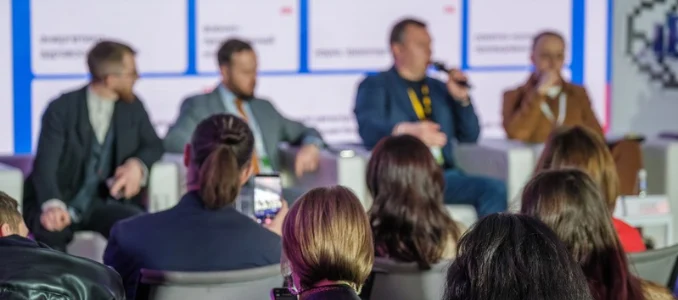
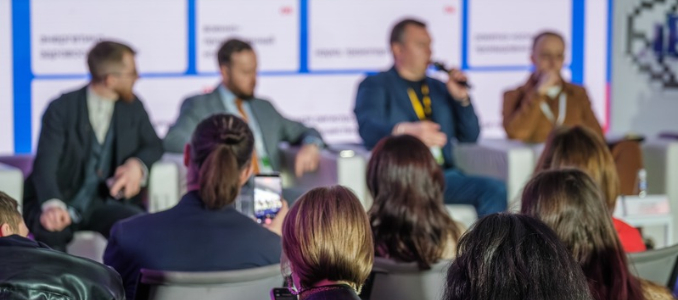
The introduction of the Hub des Préventeurs is arguably the most significant structural change to the exhibition’s programming. Unlike the general exhibition floor, which is dominated by vendor-led demonstrations and product showcases, the Hub acts as a neutral ground for industry practitioners.
During the three-day event, the Hub hosts a series of structured roundtable discussions, group workshops, and intimate networking sessions. The objective is twofold: first, to provide a platform for the cross-pollination of ideas between different industries; and second, to bridge the gap between safety theory and field application. For example, a fire safety expert from the industrial chemical sector may find common ground with a cybersecurity risk manager regarding the protocols for emergency response in high-stakes environments. By facilitating these conversations, organizers hope to move beyond product-based solutions and toward a holistic, systems-based approach to organizational resilience.

Innovation at the Forefront
Complementing the Hub is the traditional Innovation Awards, a highly anticipated segment of the show that recognizes exhibitors who have pushed the boundaries of safety technology. In previous iterations, these awards have highlighted advancements in ergonomic wearable tech and AI-integrated security monitoring. This year’s entries emphasize sustainability and the integration of artificial intelligence in threat detection.
The integration of the "Expoprotection Connect" platform is also a noteworthy technological upgrade. By allowing attendees and exhibitors to pre-schedule one-on-one business meetings, the platform addresses the challenge of navigating a massive exhibition floor. This digitizing of the networking experience ensures that decision-makers—often constrained by tight schedules—can maximize their time on-site, moving from discovery to partnership with increased efficiency.
Supporting Data and Industry Trends
The relevance of Expoprotection is underscored by the current economic and regulatory environment in Europe. According to recent data from the European Agency for Safety and Health at Work (EU-OSHA), the cost of workplace accidents and work-related ill health continues to place a massive burden on European economies, estimated at billions of euros annually. Furthermore, the rise of remote and hybrid work models has forced a re-evaluation of what constitutes a "workplace," prompting a surge in demand for digital safety protocols and employee wellness programs.

Exhibitor data for 2026 reveals that 55% of the 660 companies present are international, highlighting that safety standards are becoming increasingly harmonized across borders. This internationalization is essential as supply chains become more interconnected; a failure in safety compliance at a single manufacturing site can have a cascading effect on global production. By gathering international experts under one roof, Expoprotection provides the necessary environment to standardize best practices for risk mitigation.
Official Perspectives and Industry Reactions
While organizers have emphasized the practical utility of the event, industry stakeholders have noted the necessity of such gatherings in the face of rising insurance premiums and stricter regulatory compliance requirements. In interviews conducted during the opening day, several safety consultants noted that the "human element" of risk management is often overlooked in favor of automated systems.
"The Hub des Préventeurs is not just a meeting room; it is a laboratory for social and procedural innovation," remarked one industry consultant present at the show. "We are seeing a trend where companies are no longer satisfied with buying a product. They want to buy a system of behavior and culture that makes that product effective. That requires conversation, which is what this space provides."
The organizers, in their opening statements, echoed this sentiment, noting that the "prevention culture" is the only sustainable way to combat the rising complexity of industrial risks. By providing a dedicated space for this exchange, the organizers are effectively positioning Expoprotection as more than a trade show—it is an educational institution for the safety professional.
Broader Implications for Global Risk Management
The implications of the developments at Expoprotection 2026 extend far beyond the walls of the Porte de Versailles. As artificial intelligence continues to permeate every facet of industry, the role of the safety professional is being redefined. They are no longer just custodians of equipment; they are data analysts, risk strategists, and organizational leaders.
The focus on digital risk management, in particular, suggests that the distinction between physical safety and cybersecurity is beginning to blur. An industrial robot, for instance, requires both physical safety guards (to protect personnel from mechanical harm) and robust cybersecurity protocols (to prevent unauthorized manipulation of its operational parameters). The convergence of these two disciplines is the defining challenge of the next decade.
Furthermore, the emphasis on international collaboration at the show suggests that companies are looking toward a more standardized global approach to risk. As multinational corporations operate across diverse regulatory landscapes, the ability to maintain a consistent safety baseline is vital for reputation management and operational continuity. Expoprotection acts as a vital venue for drafting these informal, industry-led standards.
Looking Ahead
As the 2026 event concludes, the focus will shift toward the implementation of the strategies discussed within the Hub. The success of this new initiative will be measured not only by the number of attendees but by the long-term changes in organizational safety culture implemented by those who participated.
The exhibition remains a crucial barometer for the industry. As the world moves toward 2028, the organizers have already signaled that they will continue to refine their offerings to match the pace of industrial change. With the combination of high-level networking, innovation showcases, and a renewed focus on the human side of prevention, Expoprotection continues to fulfill its mission of safeguarding the workforce of the future. Whether through the adoption of new AI-driven monitoring tools or the implementation of a more rigorous, collaborative safety culture, the insights gathered in Paris this November are poised to shape the safety protocols of countless organizations for years to come.