Background and Collaborative Genesis
The initiative stems from a recognized international necessity: the need for accessible, evidence-based literature on AAC in languages other than English. ISAAC, a global non-governmental organization dedicated to improving the lives of children and adults with complex communication needs, has long identified a disparity in the availability of training materials in Latin America.
Fiocruz, recognized as one of the most prominent public health research institutions in the world, brought institutional rigor to the project. By combining the clinical expertise of AAC practitioners with the public health outreach capabilities of Fiocruz, the collaborative team sought to bridge the gap between theoretical knowledge and practical application. The project underscores a shift in how AAC is perceived—moving from a niche therapeutic intervention to a fundamental human right that requires broad societal awareness.
A Chronology of the Development Process
The development of this guide followed a structured, multi-phase timeline that prioritized cultural relevance and clinical accuracy:
- Phase I (Conceptualization): ISAAC Brasil and Fiocruz identified the specific challenges faced by families in navigating the initial stages of AAC implementation, including the legal rights to assistive technology and the identification of appropriate systems.
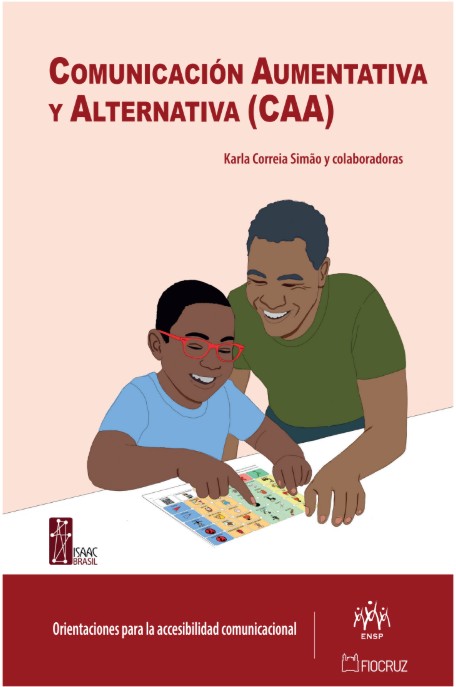
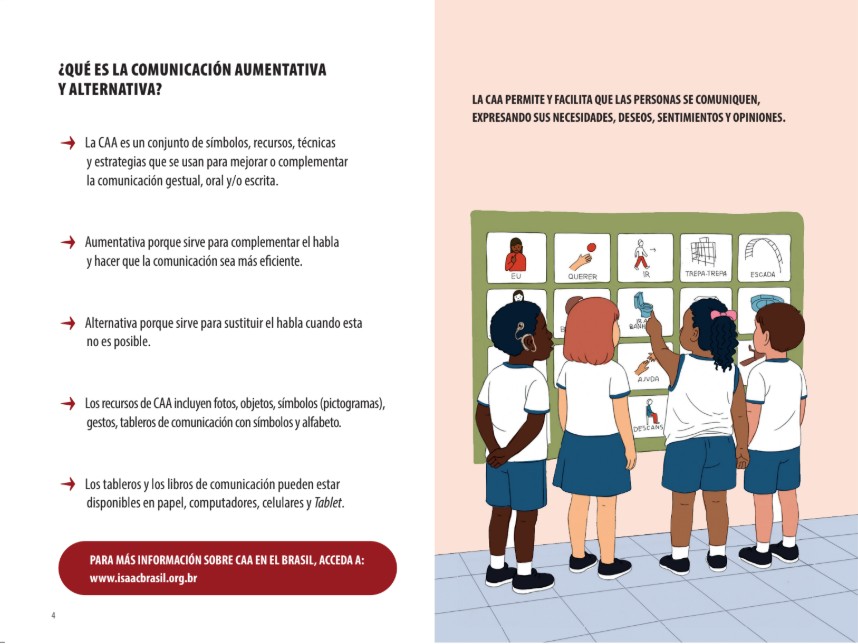
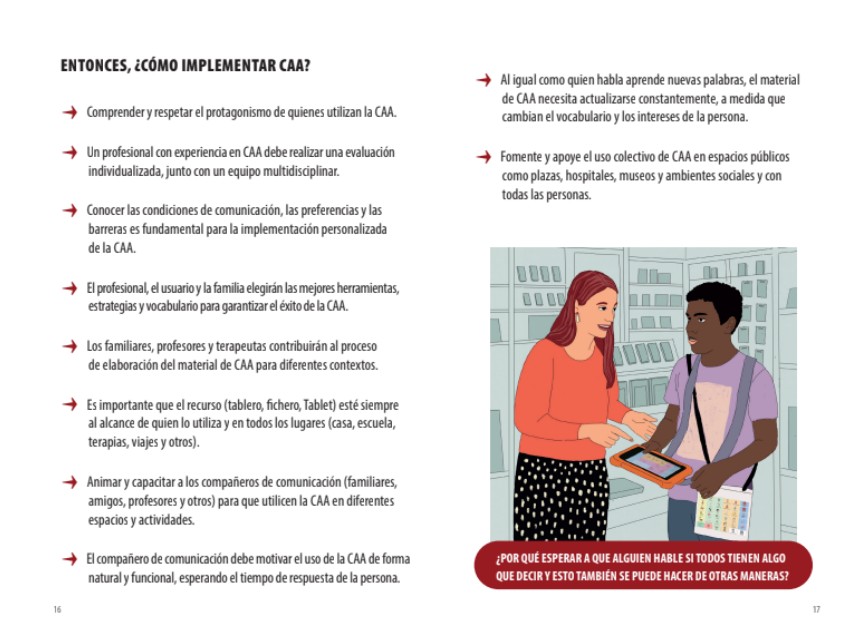
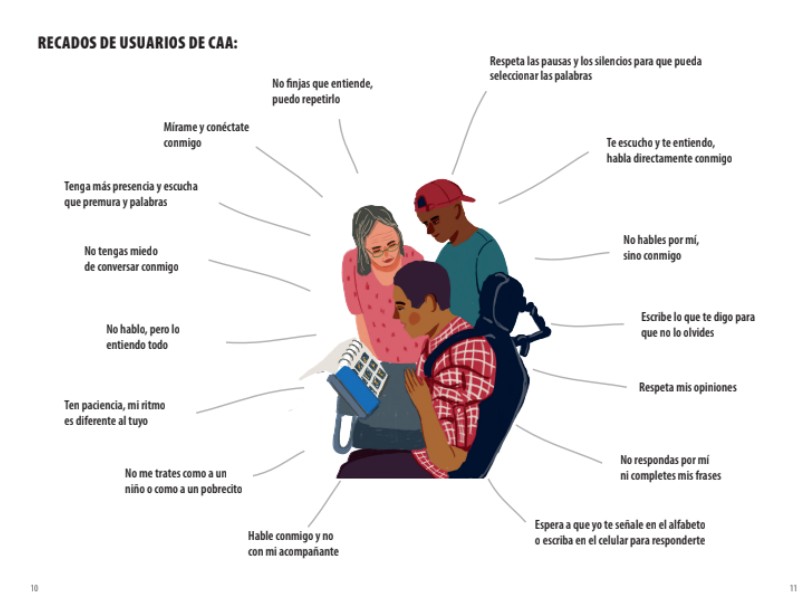
- Phase II (Drafting and Peer Review): Experts in speech-language pathology and human rights drafted the core content. A unique feature of the development was the inclusion of real-life experiences; the illustrations throughout the guide are based on actual AAC users, ensuring that the visual representation aligns with the lived experience of the community.
- Phase III (Portuguese Publication): The guide was initially disseminated within Brazil, where it gained traction as a foundational text for early-intervention programs.
- Phase IV (Translation and Adaptation): Recognizing the high demand for Spanish-language resources, the text underwent a professional translation process that accounted for regional variations in terminology, ensuring that the legal and technical concepts remained accurate across diverse Spanish-speaking countries.
- Phase V (Public Release): The official launch of the Spanish version in April 2026 coincides with a broader global push for digital equity in special education and healthcare.
Core Content and Clinical Significance
The guide serves as a pedagogical tool that demystifies AAC, providing a roadmap for those who are often overwhelmed by the complexity of communication systems. The curriculum within the guide is broken down into three primary pillars:
- Foundational Concepts: An introduction to what AAC is, dispelling common myths that suggest AAC hinders speech development. The guide provides scientific evidence demonstrating that AAC acts as a bridge to language development, rather than a barrier.
- Rights and Advocacy: A detailed look at the legal framework surrounding the right to communicate. It provides readers with the necessary information to advocate for communication services within healthcare and school systems, citing international standards for disability rights.
- Implementation Strategies: Practical, actionable advice for parents and professionals on how to model language, choose appropriate low-tech or high-tech systems, and maintain consistency in the user’s environment.
Data and Impact Analysis
The introduction of this guide comes at a time when the World Health Organization (WHO) has increasingly emphasized the importance of assistive technology as a prerequisite for health and well-being. According to current estimates, over 1 billion people worldwide live with some form of disability, and a significant portion of these individuals require some level of AAC to participate in society.
The lack of localized, language-appropriate resources has historically been a primary barrier to successful AAC implementation. Data suggests that early intervention with AAC significantly improves social inclusion and educational outcomes. By removing the language barrier for Spanish-speaking families, this initiative is expected to reduce the "wait-and-see" approach that often leads to years of missed developmental milestones.

Institutional Responses and Stakeholder Reactions
While official responses from the participating organizations highlight the spirit of international solidarity, the broader academic community has noted the importance of the document’s accessibility. Educators and clinicians in the field of speech-language pathology have praised the guide for its focus on "real-world" users. By utilizing imagery that features actual users of AAC rather than stock photos, the document avoids the "medicalized" or clinical aesthetic that often alienates families.
"The collaborative nature of this work is what makes it so robust," noted a representative familiar with the project. "By leveraging Fiocruz’s public health infrastructure, we aren’t just creating a brochure; we are creating a standardized resource that can be integrated into public policy and clinical training programs."
Broader Implications for the Future of AAC
The release of the Spanish-language guide acts as a blueprint for future cross-border collaborations. It demonstrates that the globalization of AAC tools does not require a one-size-fits-all approach. Instead, it requires a commitment to linguistic and cultural sensitivity.
The long-term implications for this project are twofold. First, it serves as an educational baseline for service providers in countries where AAC training might be fragmented or nonexistent. Second, it empowers families to take an active role in their loved one’s communication journey. By providing a common vocabulary and a shared understanding of rights, the guide helps families move from a passive role to one of active partnership with therapists and educators.
Accessing the Resource
For those interested in the implementation of these strategies, the resource is currently available for digital download through the official ISAAC Español social media channels. The organizations have opted for a digital-first distribution model to ensure the guide reaches remote areas where physical copies might be logistically difficult to distribute.
The inclusion of QR codes and direct links on platforms like Instagram and Facebook indicates a modern approach to outreach. By targeting social media, the developers are meeting families where they are, facilitating a peer-to-peer sharing ecosystem that is essential for the growth of any grassroots movement.
As the community continues to utilize this resource, the success of the guide will likely be measured by the increase in demand for AAC services and the improved efficacy of communication support in the classroom. It is a testament to the fact that when clinical expertise is combined with accessible, inclusive, and multilingual outreach, the barriers to communication can be significantly lowered, ensuring that every individual has the opportunity to have their voice heard.