The Critical Window: Early Intervention and Auditory Development
Sensorineural hearing loss is the most common type of permanent hearing loss in children, often caused by genetic factors, infections, or developmental issues. For families navigating this diagnosis, the challenge lies in bridging the gap between hearing impairment and age-appropriate language acquisition. Amalia’s parents opted for a listening and spoken language (LSL) approach, a specialized method that emphasizes the use of auditory technology to teach children to process sound and develop speech.
Listen and Talk, the organization that supported Amalia, provided the essential clinical and educational framework during her formative years. By integrating her into a “Blended Classroom”—a model that combines children with and without hearing loss—the program fostered an environment where auditory development was normalized rather than isolated. According to the National Institute on Deafness and Other Communication Disorders (NIDCD), early identification and intervention before the age of six months significantly improve language development outcomes. By initiating intervention at 10 months, Amalia’s family ensured she received the neural stimulation necessary to maximize the utility of her cochlear implants.
Chronology of Success: From Diagnosis to Achievement
The trajectory of Amalia’s development can be categorized into three distinct phases: the clinical intervention phase, the educational foundational phase, and the current phase of social and athletic integration.
- Infancy (The Clinical Phase): Following her diagnosis, the priority was surgical intervention and auditory mapping. The implantation at 10 months provided the hardware; however, the “software”—the ability to interpret sound as language—required intensive, consistent therapy. Listen and Talk acted as the primary conduit for this habilitation.
- Early Childhood (The Educational Phase): During her time in the Blended Classroom, Amalia underwent rigorous speech-language training. This phase focused on bridging the gap between sound perception and verbal communication, ensuring she reached developmental milestones alongside her hearing peers.
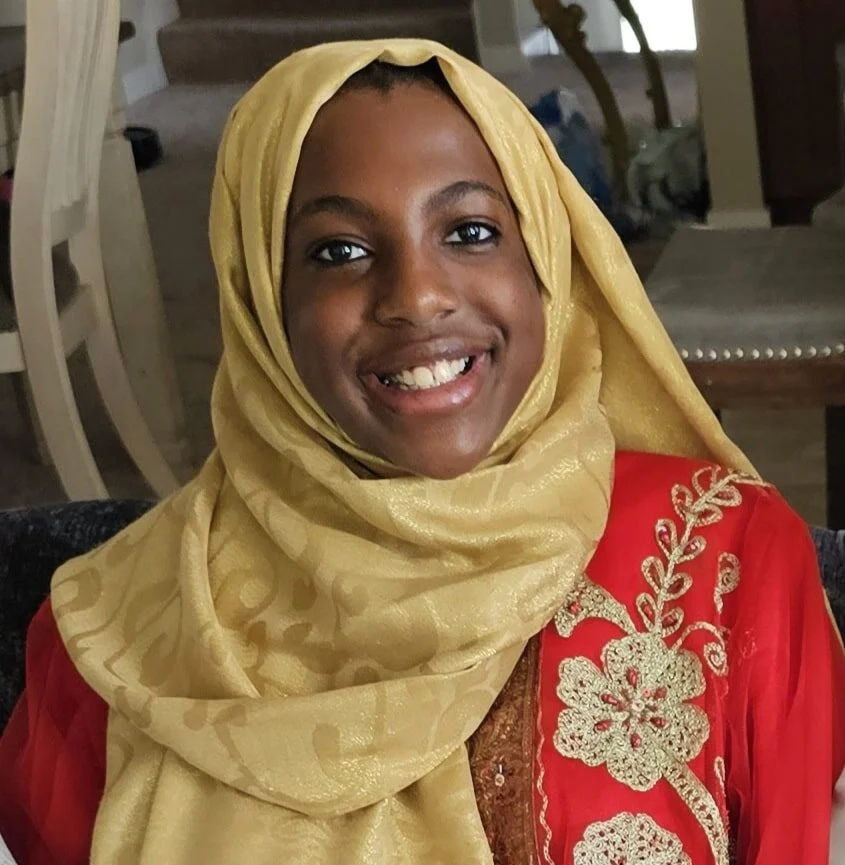
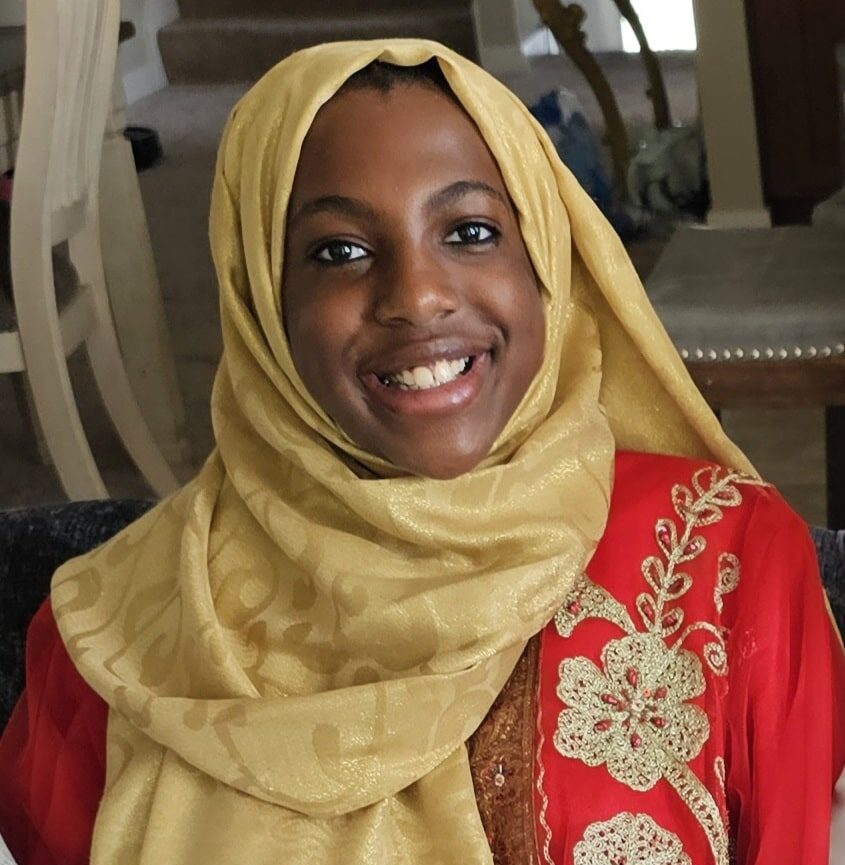
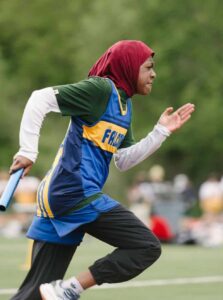
- Adolescence (The Integration Phase): Now thriving in a general education environment, Amalia’s success is measured not only by her grades but by her extracurricular engagement. Her participation in track and field, swimming, and basketball serves as empirical evidence of her confidence and social integration. These activities require complex auditory processing, particularly in noisy environments like swimming pools or basketball courts, demonstrating the durability of her foundational training.
Data-Driven Outcomes in Hearing Health
The success of programs like those offered at Listen and Talk is supported by a growing body of research. Studies published in the Journal of Deaf Studies and Deaf Education indicate that children with hearing loss who receive intensive auditory-verbal therapy consistently score higher on standardized language assessments than those in traditional settings.

Furthermore, the integration of children with hearing loss into general education classrooms—a practice known as mainstreaming—has been shown to increase self-esteem and social-emotional development. Data suggest that when early intervention is robust, approximately 75% of children with cochlear implants are able to attend mainstream schools, a stark contrast to outcomes for children who do not receive such support until school age. Amalia’s transition into a general education classroom is not an anomaly but a targeted outcome of a systematic approach to pediatric audiology.
Perspectives on the Impact of Support Systems
The role of the family unit, paired with specialized institutional support, is often cited by experts as the most significant variable in the long-term success of children with hearing loss. For parents, the transition from diagnosis to successful integration is often described as overwhelming.
“The expertise, support, and encouragement provided by organizations like Listen and Talk are not merely supplemental; they are foundational,” noted one developmental specialist familiar with the program. “When a child is equipped with both the technology of cochlear implants and the linguistic foundation of early intervention, the limitations traditionally associated with hearing loss are substantially mitigated.”
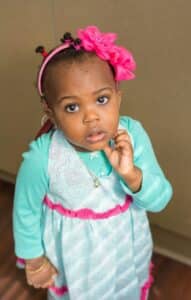
The narrative of Amalia Faraji reflects a broader shift in clinical practice: the move away from viewing hearing loss as a disability that requires accommodation, toward viewing it as a condition that, with the right resources, allows for full inclusion. By removing the ceiling on expectations, programs are now seeing students achieve at levels previously thought unreachable for those with profound hearing loss.
The Broader Implications for Educational Policy
The implications of Amalia’s success extend beyond her personal achievement. Her story underscores the necessity of continued funding for early intervention programs. As states and educational districts evaluate their budgets, the cost-benefit analysis of early intervention is becoming increasingly clear. Investing in intensive services during the first five years of a child’s life reduces the long-term societal cost of special education services and increases the likelihood of the individual becoming a tax-paying, active participant in the workforce.
However, access remains a critical issue. Many families still face geographic or financial barriers to accessing specialized centers like Listen and Talk. This reality has prompted the organization to launch the 2026 Alumni Family Giving Campaign, which aims to ensure that future generations of deaf and hard-of-hearing children have access to the same level of care that Amalia received.
Looking Toward the Future
Amalia’s journey is far from over. As she continues to excel in sports and academics, her life serves as a blueprint for what is possible when early intervention meets individual perseverance. The goal of “no child is limited by hearing loss” is the North Star for organizations like Listen and Talk, but it is also a social mandate.
As we look at the current landscape of pediatric audiology, the focus is shifting toward long-term outcomes—not just whether a child can hear, but how they utilize that hearing to navigate a complex, multifaceted world. Whether it is the rapid auditory processing required for competitive sports or the nuanced social intelligence needed for classroom discourse, Amalia has demonstrated that the foundation laid in the early years is the key to unlocking a future without limits.
The ongoing support for alumni campaigns is a reflection of the community’s commitment to this vision. By fostering an ecosystem of support—from the early-interventionists who first help a child recognize their own name to the coaches and teachers who support their teenage years—the cycle of success continues. Amalia Faraji stands not only as an alumna of a specific program but as a representative of a generation that is redefining the boundaries of what it means to live with a hearing impairment. Her story remains a powerful reminder that while the initial diagnosis of hearing loss is a significant event, it does not define the trajectory of a child’s future. Through early action, dedicated support, and the fostering of individual potential, the barriers that once seemed insurmountable continue to fall.