A Chronology of Early Diagnosis and Intervention
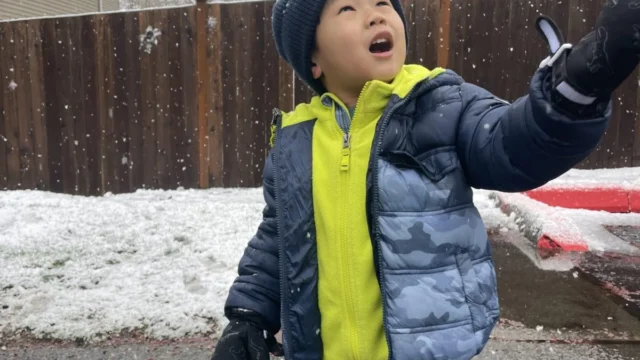
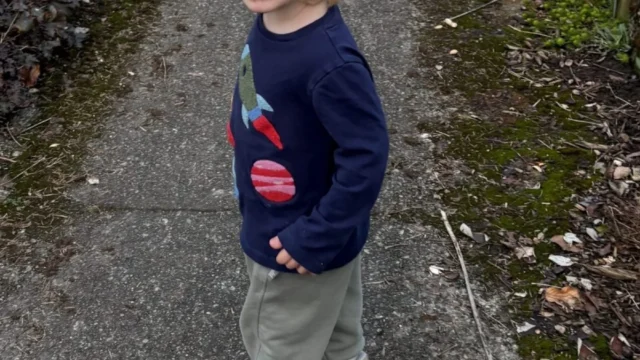
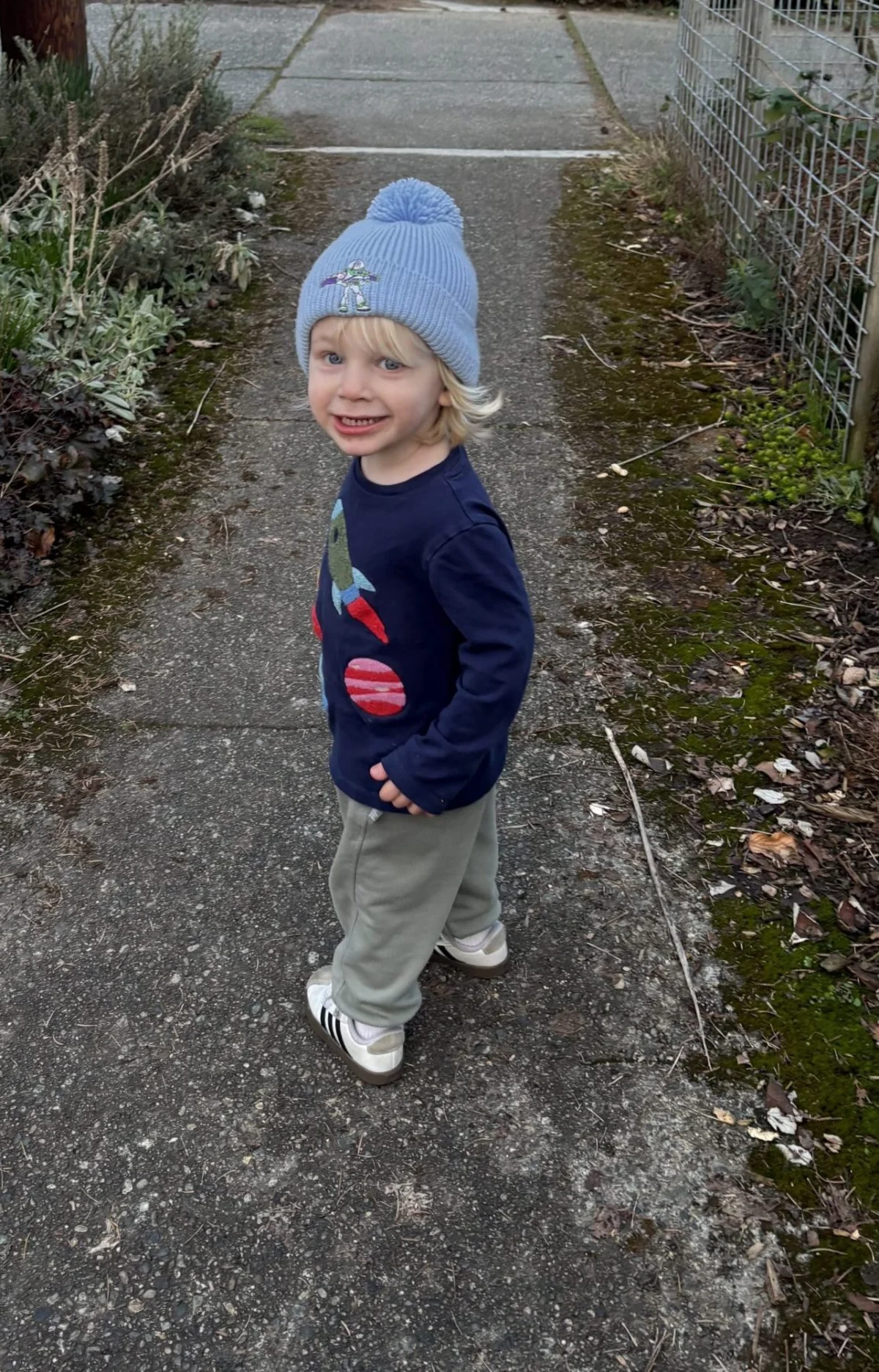
Landon’s journey began shortly after birth when he failed his initial newborn hearing screening. While such screenings are standard across the United States—mandated in all 50 states to identify hearing loss as early as possible—a "refer" result is only the first step in a complex diagnostic process. For Landon’s family, the following weeks were characterized by repeated testing at pediatric audiology clinics, a process that is frequently described by parents as both emotionally draining and logistically demanding.
At two months of age, Landon was formally diagnosed with mild-to-moderate bilateral sensorineural hearing loss. This condition, which affects the inner ear’s ability to transmit sound signals to the brain, meant that Landon struggled to perceive high-frequency sounds—such as the sibilant "s" sound or the ambient noise of running water. By the time he reached 17 months, he was fitted with hearing aids, a milestone that marked the beginning of his journey toward improved auditory access.
The family’s engagement with Listen and Talk, a specialized organization focused on early intervention, began when Landon was just three months old. This timeline is significant; research consistently demonstrates that children with hearing loss who receive intervention before the age of six months show significantly better language development outcomes than those who receive it later.
The Clinical and Educational Landscape
The impact of the STRC and CATSPER2 gene deletion is not merely physical; it creates a "hidden" barrier to language acquisition. Because higher-frequency consonants are essential for distinguishing speech, children with this specific type of hearing loss often experience delays in vocabulary and articulation if they are not supported by appropriate technology and therapy.
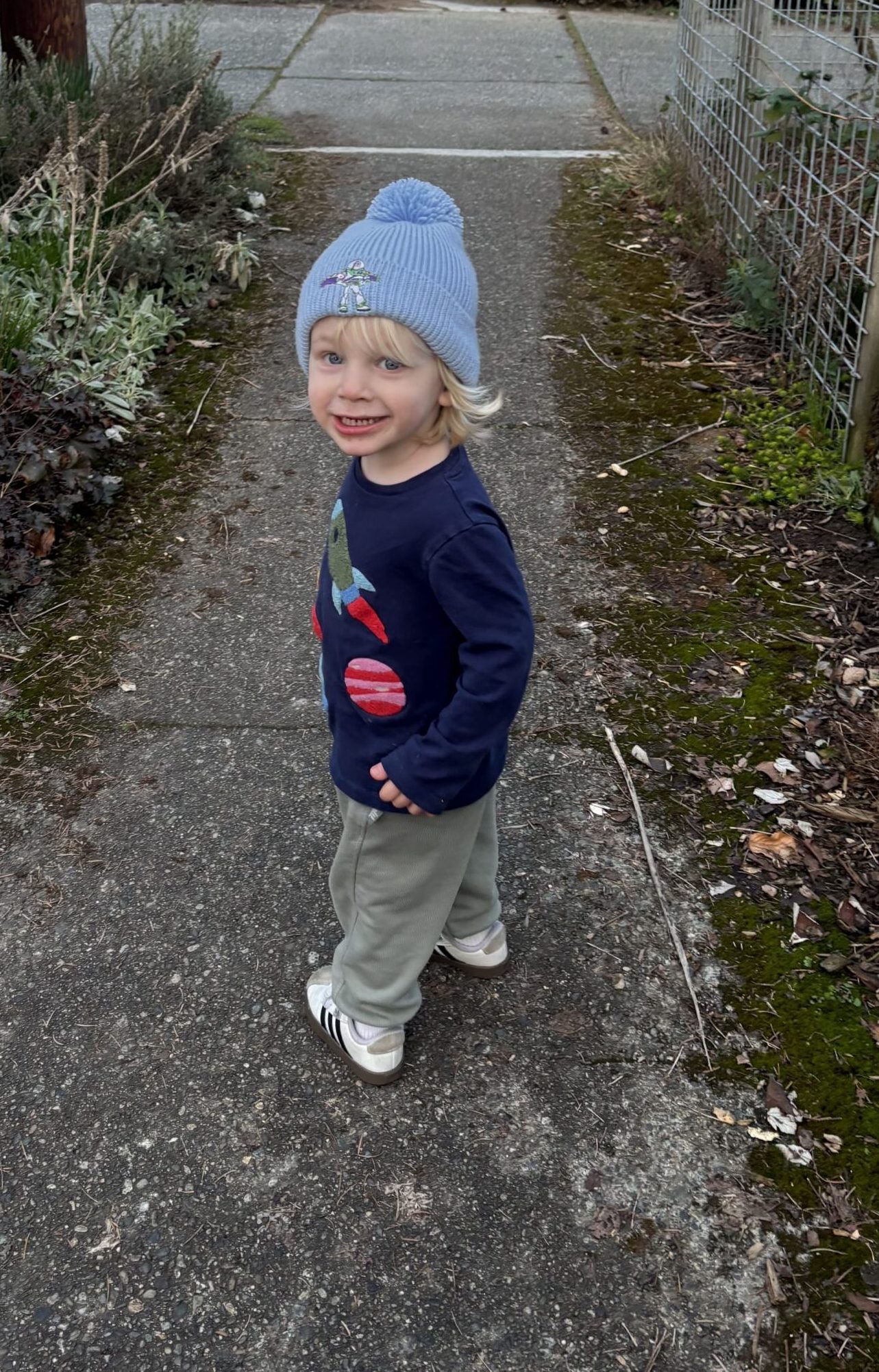
In the case of Landon, the intervention was multifaceted. Through his specialist, Meghan, the family received training in three core areas:
- Auditory Access: Learning to troubleshoot hearing aid technology to ensure the devices were functioning optimally in various environments.
- Environmental Adaptation: Implementing classroom strategies, such as reducing ambient noise and ensuring the child is seated close to the instructor to maximize the signal-to-noise ratio.
- Parental Coaching: Equipping parents with reading and communication techniques that reinforce speech sound development outside of a clinical setting.
The success of these strategies is measurable. Longitudinal data from Listen and Talk indicates that when specialists provide direct support to both the family and the school, children demonstrate an accelerated rate of vocabulary growth. Landon’s progress, characterized by a "skyrocketing" vocabulary and improved articulation, serves as a primary example of how consistent, evidence-based intervention mitigates the long-term impact of hearing loss.
The Model of the Blended Classroom
A critical component of Landon’s development is his integration into a "Blended Classroom." This educational model integrates children with hearing loss with their typically hearing peers. The benefits of this approach are twofold: it provides a high-stimulation auditory environment while simultaneously fostering advocacy skills.
In a traditional classroom, a student with hearing loss might struggle to keep pace with fast-moving discussions. In the blended environment, however, children are trained to advocate for their needs—asking for clarification, requesting a speaker to face them, or identifying when they are experiencing "listening fatigue." Listening fatigue is a well-documented phenomenon where children with hearing loss expend significantly more cognitive energy to process speech than their peers, leading to exhaustion. By learning to manage these needs at a young age, children are better prepared for the demands of primary education and beyond.
Broader Implications and Statistical Context
According to the Centers for Disease Control and Prevention (CDC), approximately 1.7 per 1,000 infants are born with permanent hearing loss. While newborn screening has drastically improved the rate of early detection, the transition from diagnosis to effective, long-term support remains a systemic challenge. Organizations like Listen and Talk fill this gap by acting as a "guidepost" for families navigating the complexities of audiology, speech-language pathology, and educational placement.
The economic and social implications of early intervention are substantial. Studies from the American Speech-Language-Hearing Association (ASHA) suggest that children who receive early, intensive intervention are far more likely to attend mainstream schools, participate in extracurricular activities, and achieve age-appropriate literacy levels. Conversely, the absence of such intervention can lead to long-term social isolation and academic underachievement.

The Role of Social Impact Enterprises
The operational model of Listen and Talk relies on a blend of specialized service delivery and community support. By functioning as a social impact enterprise, the organization ensures that the costs of intensive therapies—such as audiology testing and speech therapy—are mitigated through philanthropic funding. This is essential for families who may otherwise face prohibitive out-of-pocket expenses for specialized equipment and professional time.
The organization’s mission—that "no child is limited by hearing loss"—is rooted in the belief that with the right support, the gap between a child with hearing loss and their peers can be bridged. As Landon continues to progress, his story serves as a data point for the effectiveness of this philosophy. His ecstatic response to home visits and his academic success at school reflect not only his individual resilience but the efficacy of a collaborative model involving parents, educators, and clinicians.
Moving Forward: A Call for Continued Support
As the landscape of pediatric audiology evolves, the need for funding remains constant. Programs that support microtia, atresia, and genetic hearing loss require consistent financial backing to maintain the high-quality staff and state-of-the-art facilities necessary for successful intervention.
The success of children like Landon is not an accident; it is the result of early detection, sustained therapeutic involvement, and the integration of specialized educational strategies. For families currently navigating the uncharted waters of a new diagnosis, the path forward is often daunting. However, the evidence is clear: when early intervention is prioritized, the potential for success is not merely a hope, but a measurable outcome. By investing in these services, society does more than provide a service; it ensures that the developmental trajectory of children with hearing loss remains firmly on the path toward full participation in society.
As Listen and Talk continues its work, the focus remains on the individual child—ensuring that every letter of the alphabet, every ambient sound, and every conversation is accessible. For Landon, that access has turned a potentially restrictive condition into a manageable part of a vibrant, growing childhood. The lesson for the broader community is clear: when we remove the barriers to communication, we unlock the full potential of the next generation.