The Chronology of Diagnosis and Early Intervention
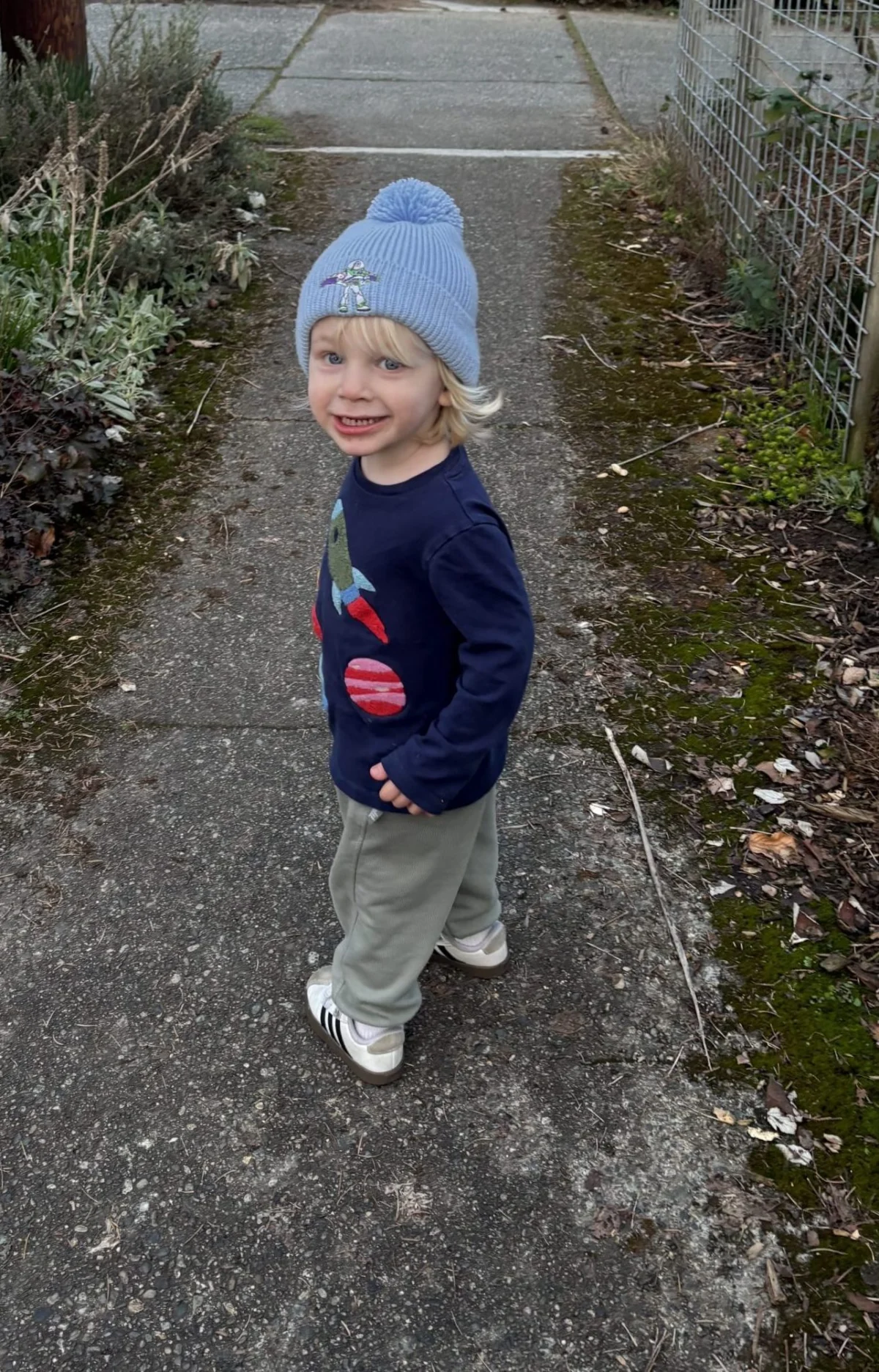
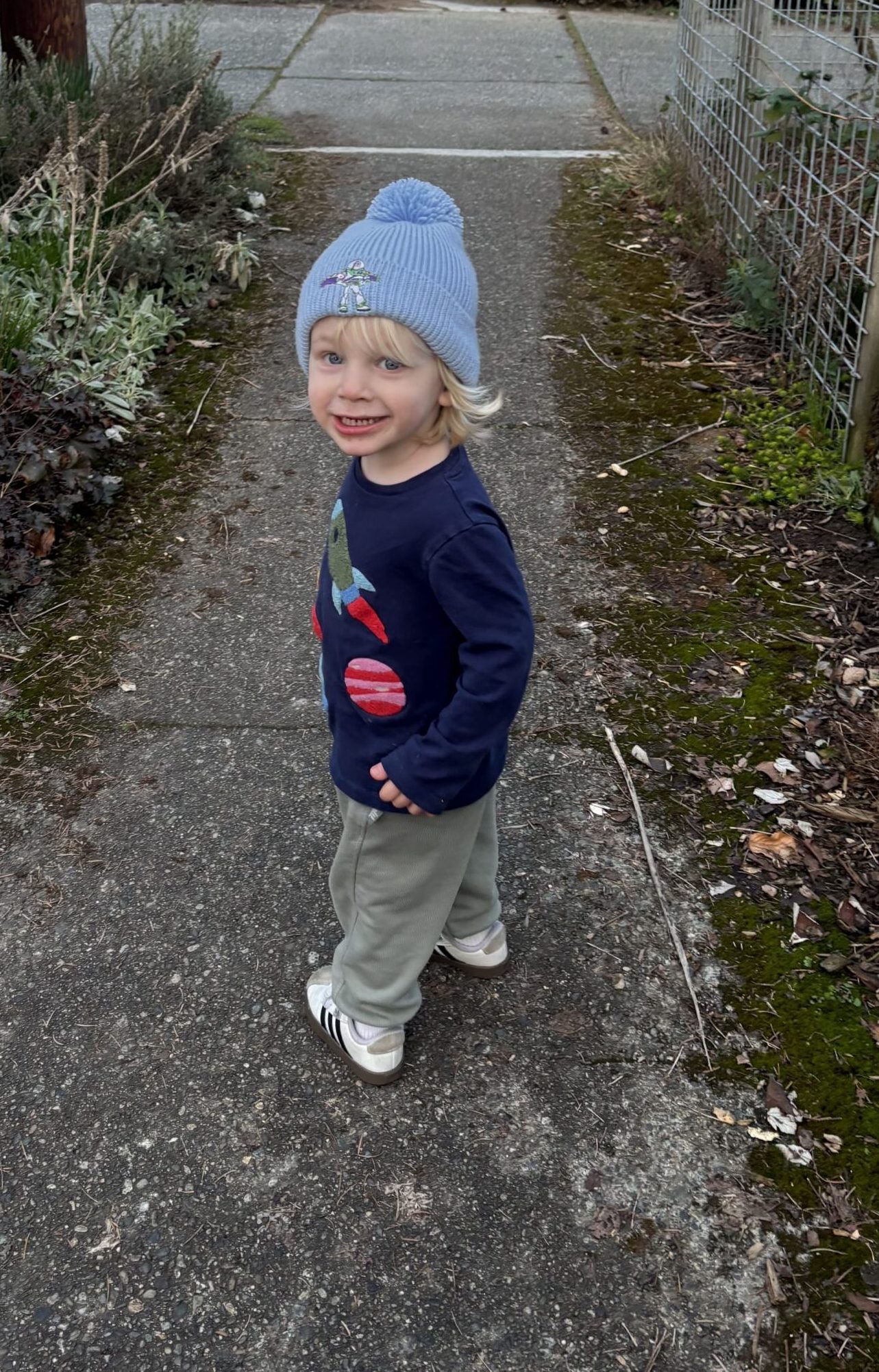
Landon’s journey began shortly after birth when he failed his initial newborn hearing screening—a standard procedure that serves as the first line of defense in identifying pediatric hearing issues. At two months old, medical professionals confirmed a diagnosis of mild-to-moderate bilateral sensorineural hearing loss. Subsequent genetic testing revealed a specific mutation involving the deletion of both the STRC and CATSPER2 genes. This particular genetic profile results in significant difficulty accessing high-frequency sounds, which are essential for distinguishing speech markers such as the letter “S” or the sounds of running water.
The timeline of Landon’s clinical path highlights the necessity of early detection. By 17 months of age, he was fitted with hearing aids, a milestone that marked the beginning of his transition into the auditory landscape. However, the medical diagnosis was only the first step. Recognizing that clinical support alone was insufficient, his family sought out Listen and Talk, an organization specializing in auditory-verbal education, when Landon was just three months old.
The Role of Specialized Birth-to-Three Services
The transition from clinical diagnosis to daily management is where many families encounter significant challenges. Listen and Talk provides a “Birth to Three” program that assigns specialists, such as Meghan, to provide home-based support. For Landon’s family, this relationship evolved from simple service delivery to a comprehensive support network.
The scope of these interventions is multifaceted, covering technical, educational, and emotional domains. Specialists assist parents in troubleshooting hearing aid technology, which can be daunting for caregivers unfamiliar with pediatric audiology. Furthermore, these specialists provide training in language-rich reading techniques and strategies to maximize a child’s access to speech sounds. Perhaps most significantly, the support extends to the child’s broader educational environment. By consulting with Landon’s preschool teachers, the program specialist ensures that the classroom is adapted to his needs—implementing protocols such as positioning him closest to the teacher, reducing ambient noise, and providing breaks to mitigate “hearing fatigue,” a common phenomenon where the cognitive effort required to process sound leads to exhaustion.
Data and the Efficacy of Auditory-Verbal Education
The success of programs like those offered by Listen and Talk is supported by a growing body of research in pediatric audiology and early childhood development. According to the Joint Committee on Infant Hearing (JCIH), the “1-3-6” rule is the gold standard for care: screening by one month, diagnosis by three months, and enrollment in early intervention services by six months. Early intervention during the “critical period” of brain development—the first three years of life—is statistically linked to improved language acquisition, literacy, and social-emotional outcomes.
When children receive consistent, high-quality intervention, the gap between their developmental trajectory and that of their typically hearing peers significantly narrows. For many, this translates into improved vocabulary, refined articulation, and, crucially, the development of self-advocacy skills. Data consistently show that students who receive early, consistent, and structured auditory therapy are more likely to successfully transition into mainstream educational settings, achieving academic performance levels comparable to their peers.
The Blended Classroom Model: Fostering Advocacy and Inclusion
A cornerstone of modern educational approaches for children with hearing loss is the “blended classroom.” This model integrates children with hearing loss with typically hearing peers in an environment designed to be auditorily rich. This is not merely an exercise in socialization; it is an evidence-based pedagogical strategy.
In a blended classroom, children with hearing loss are not isolated. Instead, they learn to navigate a complex soundscape while receiving “pull-out” speech therapy within the same building. This environment forces the development of self-advocacy skills. Children learn to articulate their needs—requesting that a teacher repeat a phrase, adjusting their devices, or finding a quieter space—before they reach the more demanding environment of elementary school. By practicing these skills in a safe, controlled, and inclusive setting, students are better prepared to interact with peers, coaches, and instructors in the wider world.
The Economic and Social Impact of Early Support
The long-term implications of these interventions extend far beyond the individual child. When children with hearing loss are empowered through early intervention, the societal cost of special education and remedial support in later years is often reduced. More importantly, these children are positioned to participate more fully in the workforce and their communities.
However, the delivery of these services requires significant financial resources. Organizations such as Listen and Talk operate as social impact enterprises, relying on a combination of clinical revenue and public support to fund audiology testing, parent education, and specialized speech therapy. As the incidence of hearing loss remains a constant global health challenge, the necessity for sustained funding for these programs is a matter of public policy concern.

Donations and community engagement are the primary drivers of these initiatives. Funds are directed toward the tangible needs of the families: high-cost audiology equipment, specialized professional staff, and the maintenance of classroom facilities that meet the acoustic standards necessary for effective learning.
Looking Ahead: The Goal of Limitless Potential
The narrative of Landon’s progress serves as a practical demonstration of the vision that “no child is limited by hearing loss.” By bridging the gap between medical necessity and educational access, programs like those at Listen and Talk provide a blueprint for how society can effectively support families in crisis.
The success of the model relies on three key pillars: early identification, parental involvement, and specialized educational integration. As the field of pediatric audiology continues to advance, the emphasis remains on minimizing the obstacles faced by children with hearing loss. Whether it is through the deployment of sophisticated hearing technology or the implementation of carefully designed classroom strategies, the goal is to provide every child with the tools necessary to communicate, learn, and grow.
For families currently navigating the immediate aftermath of a diagnosis, the advice provided by those who have walked the path is clear: early intervention is not just an optional resource; it is the fundamental framework upon which future success is built. As awareness of these programs grows, the hope is that more families will be able to access these vital resources, ensuring that the potential of children with hearing loss is fully realized, rather than curtailed by the challenges of their diagnosis. Through continued support and an unwavering commitment to inclusive, high-quality education, the landscape of pediatric hearing loss continues to evolve, promising a brighter future for the next generation of students.