The Scope of the Vestibular Crisis
Vestibular disorders, which affect the inner ear and the brain’s processing of sensory information, are far more prevalent than public awareness suggests. According to data from the National Institute on Deafness and Other Communication Disorders (NIDCD), approximately 35% of adults aged 40 years or older in the United States—roughly 69 million people—have experienced some form of vestibular dysfunction. Despite these numbers, the path to recovery is frequently obstructed by a lack of specialized knowledge among general practitioners and the "invisible" nature of the symptoms.
Symptoms such as vertigo, imbalance, and persistent motion sensations do not just pose physical risks; they dismantle the foundational pillars of a patient’s life. Research indicates that vestibular patients suffer from significantly higher rates of anxiety and depression compared to the general population, largely due to the unpredictable nature of "dizzy spells" and the subsequent loss of independence. For many, the inability to drive, work, or maintain social commitments leads to a profound sense of isolation that medical prescriptions alone cannot address.
The Chronology of the Patient Journey: From Onset to Adaptation
The presentation outlined a standard timeline for the vestibular patient, which Ryan noted is rarely linear. The journey typically begins with a sudden, often terrifying acute event—such as a severe bout of vertigo—that sends the patient to an emergency room or a primary care physician. However, because vestibular symptoms can mimic other cardiovascular or neurological emergencies, the initial phase is often characterized by misdiagnosis or the dismissal of symptoms as "stress-related."
Data collected by VeDA suggests that the "diagnostic odyssey" for a vestibular patient can last anywhere from several months to several years. On average, patients visit four to five different healthcare providers before receiving an accurate diagnosis. This period of uncertainty is often the most psychologically damaging, as patients begin to doubt their own perceptions while their physical condition potentially worsens due to a lack of appropriate physical therapy or medical management.
Once a diagnosis is finally secured, the patient enters the "management phase." This is where the limitations of the clinic become most apparent. While a neurotologist or physical therapist can provide the tools for recovery, the patient is left to navigate the 23 hours a day they spend outside the clinic. This involves explaining a complex, invisible illness to employers, managing the financial burden of specialized care, and adhering to grueling vestibular rehabilitation therapy (VRT) schedules that often make the patient feel worse before they feel better.
VeDA as a Global Hub for Vestibular Care
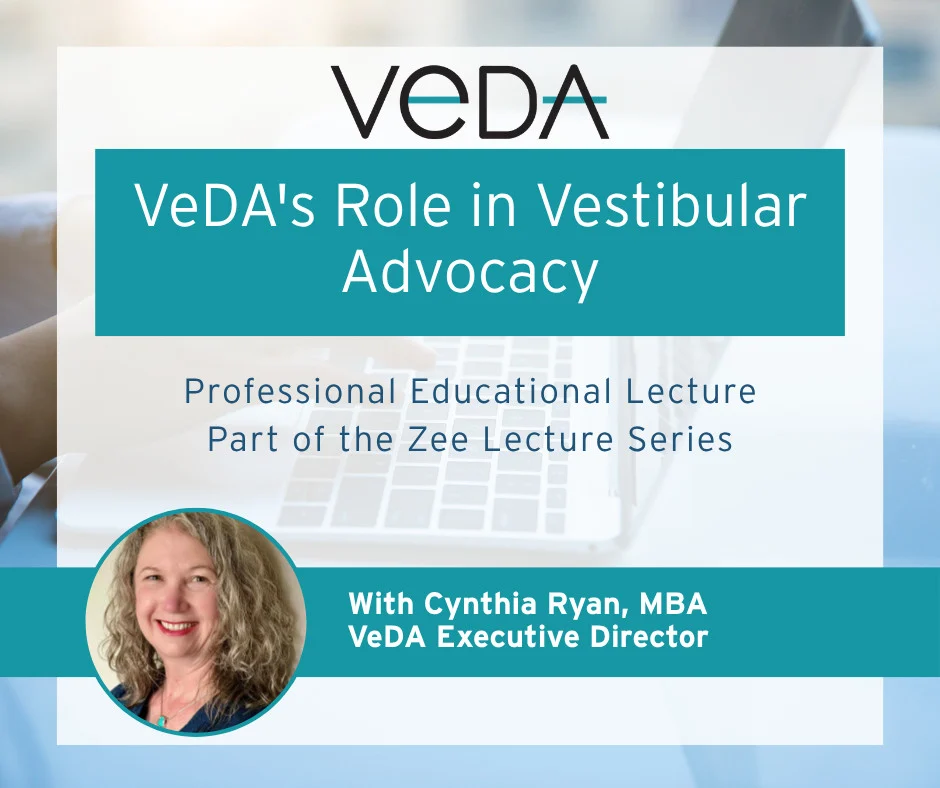
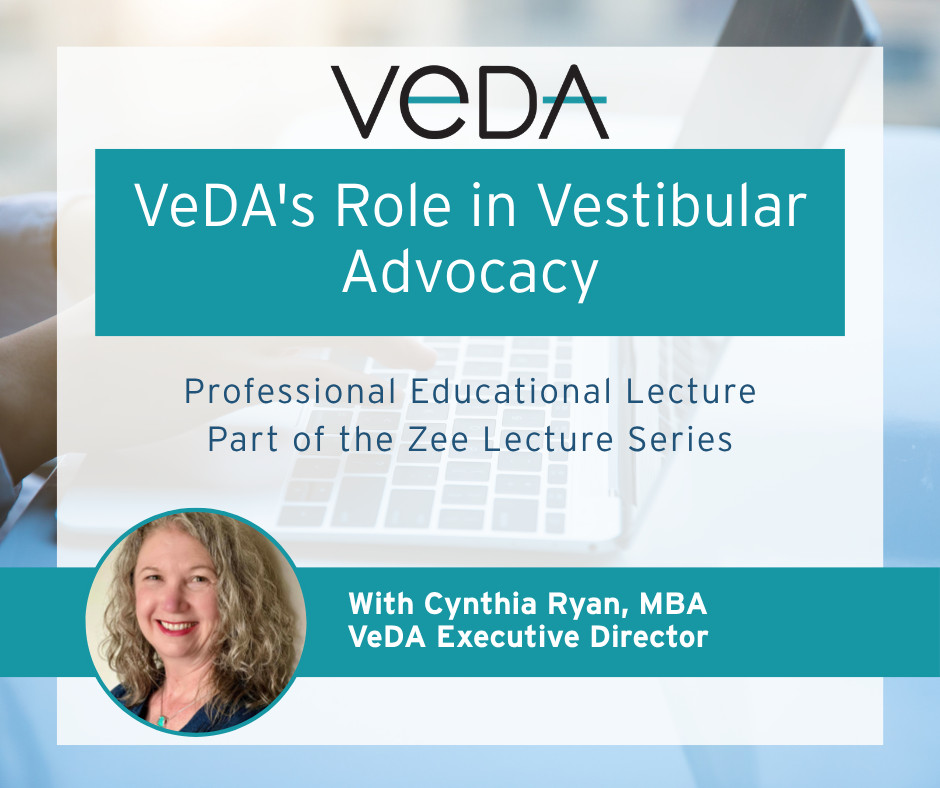
Founded in 1985, VeDA has evolved from a grassroots support group into what is now recognized as the global hub for the vestibular community. Ryan detailed how the organization bridges the gap between clinical expertise and patient needs. The infrastructure of VeDA is built on three primary pillars: education, support, and advocacy.
Education is the organization’s most utilized resource. By providing peer-reviewed articles and "Ask the Expert" sessions, VeDA translates high-level medical research into actionable information for the layperson. This empowerment is backed by clinical logic; studies have shown that "health-literate" patients are significantly more likely to adhere to VRT protocols and report higher levels of satisfaction with their medical teams. When a patient understands the mechanics of their nystagmus or the rationale behind habituation exercises, they become active participants in their recovery rather than passive recipients of care.
Data-Driven Advocacy: The Patient Registry
One of the most significant advancements discussed in the lecture was the Dizziness, Vertigo & Imbalance Patient Registry. This initiative represents a shift toward "real-world evidence" in vestibular research. While clinical trials are essential for testing new medications or surgical techniques, they often fail to capture the nuances of daily life with a chronic balance disorder.
The registry collects longitudinal data directly from patients, focusing on quality-of-life metrics, the efficacy of various treatments over time, and the specific hurdles encountered during the diagnostic process. This data is already being utilized in peer-reviewed publications to identify "unmet needs." For instance, registry data can highlight which geographic regions lack sufficient vestibular physical therapists, allowing VeDA to target its outreach and provider recruitment efforts more effectively.
Furthermore, VeDA’s partnership with the American Neurotology Society (ANS) through clinical research grants ensures that the patient voice is integrated into the earliest stages of scientific inquiry. By funding early-career investigators, VeDA is fostering a new generation of clinicians who view the patient as a whole person rather than a set of vestibular ocular reflex (VOR) test results.
The Power of Peer Connection and Specialized Support
The lecture featured insights from patient advocates Glenn Schweitzer and Jeannette Tousignant, whose personal narratives underscored the "healing power of community." Schweitzer, an author and advocate, has spoken extensively about the psychological toll of Meniere’s disease, while Tousignant’s experience reflects the challenges of navigating the healthcare system as a parent.
Their stories revealed a common thread: the moment of greatest "healing" often occurred not in a doctor’s office, but in a support group. VeDA facilitates this through various channels, including the "Dizzy Moms Club" and "Dizzy Together," a structured peer-support program. These groups provide a space where symptoms do not have to be explained or defended. For a patient who has been told "you look fine" by friends and family for years, the validation found in a community of peers is a potent catalyst for psychological resilience.
Professional Implications: A Collaborative Care Model
For the healthcare professionals in attendance, the presentation offered a fact-based analysis of why referring patients to advocacy organizations is a clinical best practice. A patient who is connected to VeDA is a patient with a support system. This reduces the emotional "heavy lifting" often required of clinicians during brief 15-minute appointments.
When a physician refers a patient to the VeDA Provider Directory, they are not just handing out a website link; they are integrating the patient into a multidisciplinary network. This network includes not only medical doctors and physical therapists but also psychologists, audiologists, and occupational therapists who specialize in vestibular care. This holistic approach is consistent with the biopsychosocial model of medicine, which recognizes that biological, psychological, and social factors all play a significant role in human functioning in the context of disease or illness.
Future Horizons: AI and Narrative Medicine
Looking toward the future, Ryan outlined several initiatives aimed at further modernizing the vestibular landscape. Among these is the development of AI-powered educational tools designed to provide instant, reliable answers to patient queries based on VeDA’s vast library of peer-reviewed content. Additionally, the organization is exploring "narrative medicine" projects, which involve training healthcare professionals to better elicit and interpret the stories patients tell about their illnesses.
The goal is to create a more efficient "triage" system. By using digital tools to help patients identify their symptoms and find the right type of specialist earlier, VeDA aims to slash the current multi-year diagnostic timeline. This proactive navigation could potentially save the healthcare system millions of dollars in unnecessary ER visits and redundant testing.
Conclusion: Advocacy as an Essential Component of Healthcare
The central takeaway of the Zee Lecture Series presentation was clear: healthcare professionals provide the medical care, but advocacy organizations provide the framework for a successful life after diagnosis. The relationship between the two is symbiotic.
As vestibular medicine continues to advance with new technologies and diagnostic maneuvers, the human element remains the most critical factor in recovery. By acknowledging the full scope of the patient journey—from the first dizzy spell to the long-term adaptation to a "new normal"—the medical community can provide more compassionate and effective care.
In the words of the presentation’s conclusion, advocacy is not separate from healthcare; it is an essential part of it. Through the continued partnership of organizations like VeDA, dedicated clinicians, and informed patients, the future of vestibular care is moving toward a world where these debilitating conditions are caught sooner, treated better, and understood by society at large. The "invisible" disability is finally being seen, and in that visibility lies the hope for millions of patients worldwide.