This proposal arrives at a critical juncture for California’s industrial infrastructure, as aging equipment and increased regulatory scrutiny necessitate a more robust oversight mechanism. According to the administrative notice, the adjustments are strictly financial and do not involve any changes to the existing safety standards, technical requirements, or operational protocols currently mandated under California law.
The Scope of the Regulatory Amendment
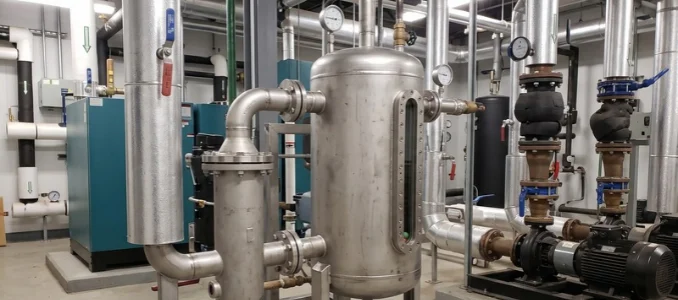
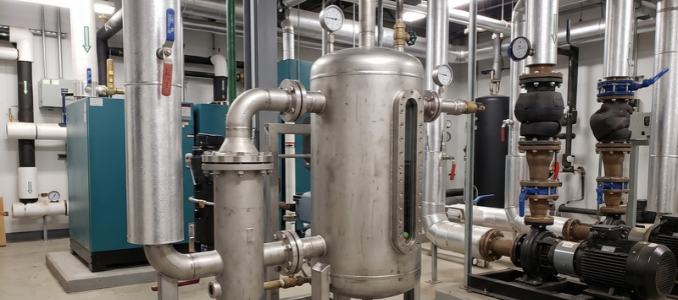
The Pressure Vessel Unit of Cal/OSHA acts as a regulatory gatekeeper, ensuring that high-pressure systems—which possess the potential for catastrophic failure if not properly maintained—are operated within established safety parameters. The proposed changes specifically target the fee structure for three primary categories of oversight: shop inspections, field inspections, and resale inspections. Additionally, the proposal impacts the administrative costs associated with the issuance of annual or biennial operating permits.
The equipment covered under these sections is pervasive in California’s commercial and industrial landscape. It includes, but is not limited to, steam boilers used in food processing and manufacturing, large-scale air compressor tanks in automotive and industrial workshops, and specialized vessels used for the storage and transport of liquefied petroleum gas. Because these vessels operate under significant internal stress, the integrity of their structural components is paramount. Cal/OSHA’s mandate is to verify that these systems are inspected by qualified professionals—either state-certified inspectors or authorized personnel from certified insurance carriers—to mitigate the risk of industrial accidents.
Chronology and Implementation Timeline
The transition to this new fee schedule is slated for rapid adoption. Following the October 15 announcement, the proposal set a targeted effective date of November 2, 2026. This aggressive timeline reflects the state’s urgency in stabilizing the operational budget of the Pressure Vessel Unit. Once filed with the California Secretary of State, the regulations will bypass the standard lengthy rulemaking cycle typical of state agencies, qualifying as "emergency" measures due to the necessity of maintaining fiscal solvency within the regulatory unit.

For business owners and facility managers, the short lead time between the announcement and the implementation date leaves a narrow window for financial planning. Industry stakeholders are expected to review their upcoming inspection schedules to determine if existing permits will be impacted by the new fee structure or if pending applications will be subject to the updated cost basis upon the November effective date.
Financial Context and Program Solvency
The fundamental driver behind this regulatory adjustment is cost recovery. Like many state-level regulatory bodies, the Cal/OSHA Pressure Vessel Unit operates on a fee-for-service model. Over time, inflationary pressures—including rising personnel costs, administrative overhead, and the increased complexity of modern industrial inspections—have necessitated a realignment of the fee structure.
Historically, fees for government services often remain static for years, leading to a "structural deficit" where the cost of providing the service exceeds the revenue collected. By adjusting these fees, Cal/OSHA is attempting to bridge the gap between the actual cost of inspection and the nominal fees charged to the facility owners. From a policy perspective, this ensures that the regulatory program remains self-sustaining without relying on general tax funds, thereby placing the financial burden of safety oversight directly on the entities utilizing the hazardous equipment.

The Role of Inspection and Safety Standards
It is imperative to distinguish between the financial nature of this announcement and the technical requirements of equipment safety. The proposal does not alter the frequency of inspections, the training requirements for inspectors, or the threshold for equipment failure. The "safety standards" remain as they were defined prior to the announcement.
However, the implications for facility operators are significant. A failure to pay the updated fees, or a failure to schedule required inspections in accordance with these regulations, could lead to the revocation or denial of operating permits. In the industrial sector, an expired permit is effectively a "stop-work" order for any facility relying on pressure vessels. The legal and operational ramifications of operating a boiler or air tank without a valid permit include potential heavy fines, immediate shutdown orders, and, most importantly, a massive increase in liability exposure in the event of an equipment failure.
Stakeholder Impact and Industry Reaction
While official public comment periods for emergency regulations are often abbreviated compared to standard rulemaking, the industrial sector is closely monitoring the development. Trade organizations representing manufacturing, energy, and facility management have begun to evaluate how these fee increases will affect their bottom lines.

For small-to-medium-sized enterprises (SMEs) that operate a limited number of pressure vessels, the impact of a fee increase may be manageable. However, for large-scale industrial complexes, refineries, and chemical processing plants—which may house dozens or even hundreds of regulated pressure vessels—the cumulative effect of these fee adjustments could represent a notable increase in annual compliance costs.
Industry experts suggest that the most efficient way for operators to mitigate the impact of these changes is to ensure compliance is handled proactively. By maintaining accurate records, ensuring that equipment is "inspection-ready" before an inspector arrives, and utilizing private insurance company inspectors where permissible, facility managers can minimize the administrative costs that often accompany the inspection process.
Broader Implications for California’s Regulatory Landscape
The Cal/OSHA proposal is reflective of a broader trend within California’s regulatory environment. As the state seeks to enhance workplace safety, it is increasingly leaning toward "full cost recovery" models for its various divisions. This approach serves two purposes: it ensures that the state can hire and retain the highly specialized inspectors required for technical equipment, and it forces a greater degree of fiscal accountability upon the regulated community.

Furthermore, the emphasis on the Pressure Vessel Unit highlights the state’s continued focus on preventing industrial disasters. The potential for a pressure vessel explosion or leak remains a high-consequence event, even if the frequency of such events is statistically low due to rigorous oversight. By prioritizing the financial health of the PVU, Cal/OSHA is signaling that it intends to maintain its oversight capacity at a level commensurate with the state’s massive industrial footprint.
Future Outlook and Compliance Recommendations
As the November 2, 2026, effective date approaches, the following steps are recommended for businesses that operate regulated equipment:
- Inventory Audit: Ensure an accurate, up-to-date inventory of all boilers, air tanks, and LPG vessels is maintained. Each item should have a corresponding permit status and an upcoming inspection date.
- Review Fee Schedules: Once the final regulatory language is published by the Secretary of State, companies should perform a line-item audit to understand how the new fees will apply to their specific inventory.
- Budgetary Allocation: Adjust operational budgets for the 2027 fiscal year to account for the increased costs of permitting and inspections.
- Communication with Insurers: Since many inspections are performed by authorized insurance company inspectors, businesses should confirm that their insurance partners are updated on the new fee regulations and are prepared to collect or process the appropriate fees on behalf of the state.
The move by Cal/OSHA is a clear indicator that the regulatory environment for industrial safety is evolving. While the primary function of the agency remains the protection of the worker and the public, the mechanisms by which they fund these critical efforts are undergoing a significant transition. Businesses that prepare for these fiscal changes now will be better positioned to avoid operational disruptions and maintain compliance with state law as the new year approaches.

In conclusion, while the proposal for emergency fee changes at Cal/OSHA is primarily a fiscal adjustment, its implications ripple across California’s industrial sector. By ensuring that the Pressure Vessel Unit has the necessary resources to conduct its vital safety work, the state is reinforcing its commitment to preventing the high-risk incidents associated with pressurized equipment. For the regulated community, the focus must now shift toward rapid adaptation, precise financial planning, and an unwavering commitment to the safety standards that keep California’s workplaces operational and secure.