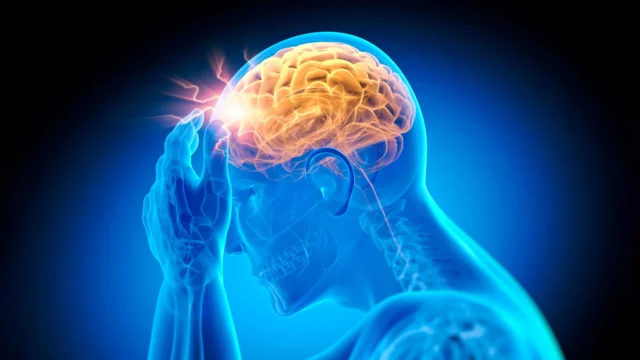
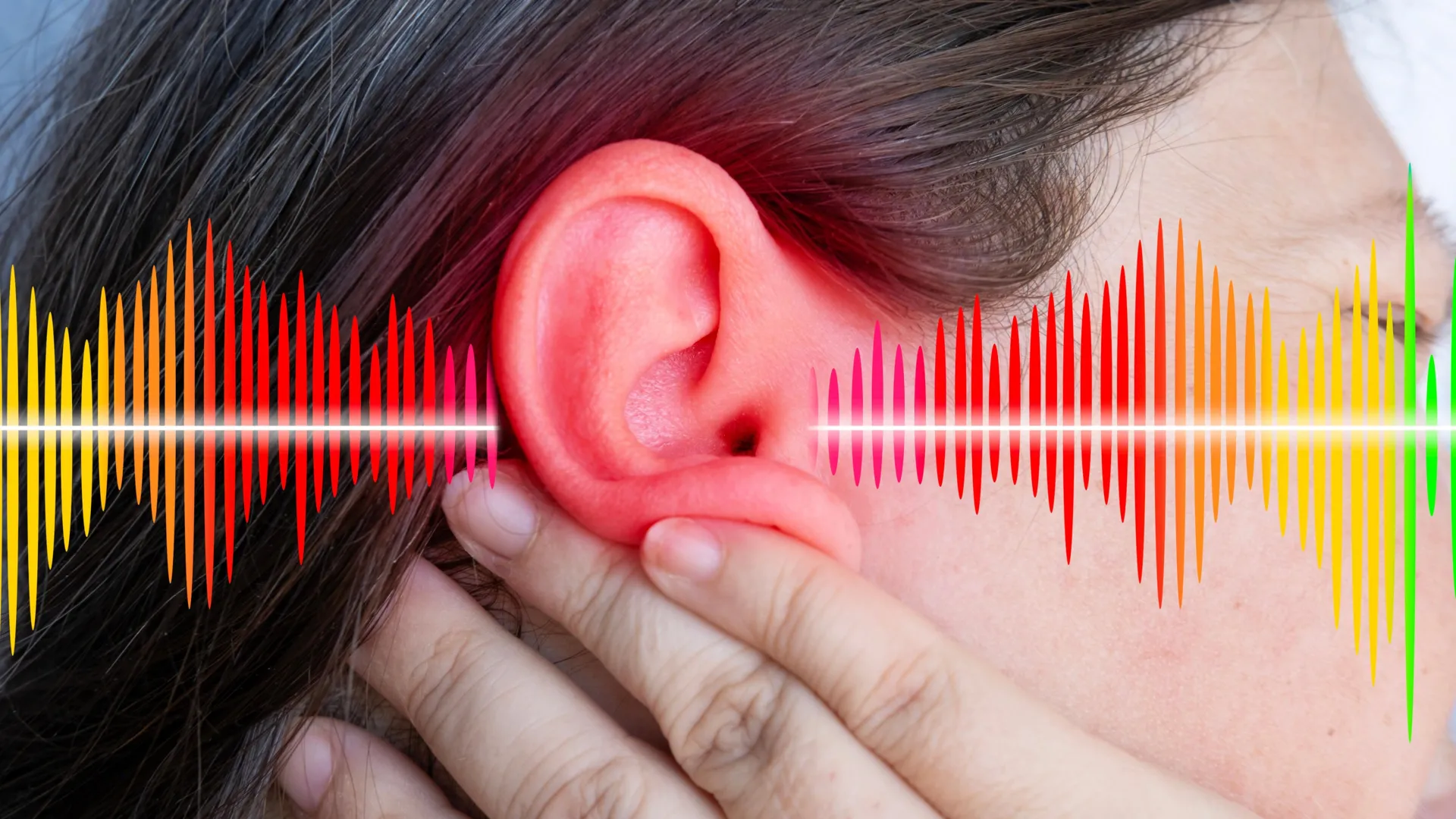
Tinnitus is often described as a "phantom sound"—a perception of noise that has no external source. For many, it is a minor nuisance, but for a significant portion of the population, it is a debilitating condition that can lead to severe sleep disturbances, cognitive impairment, and profound psychological distress. By isolating the role of serotonin in the brain’s auditory processing centers, researchers have opened the door to more personalized treatment strategies that balance mental health needs with auditory comfort.
The Global Burden of Tinnitus and the Serotonin Connection
Tinnitus is a remarkably prevalent condition, with estimates suggesting that as many as 14% of adults globally experience the phenomenon. This equates to more than 740 million people worldwide, with approximately 120 million of those cases considered severe. In the United States alone, the American Tinnitus Association (ATA) reports that nearly 50 million people suffer from some form of the condition. Despite its prevalence, the physiological triggers for tinnitus have remained elusive, often categorized broadly as a byproduct of hearing loss, noise exposure, or head injuries.
The link between serotonin and tinnitus has been a subject of clinical observation for years. Serotonin is a neurotransmitter that modulates a wide range of physiological and psychological processes, including mood, appetite, and sleep. Selective serotonin reuptake inhibitors (SSRIs), such as fluoxetine (Prozac), sertraline (Zoloft), and escitalopram (Lexapro), are among the most commonly prescribed medications for depression and anxiety. These drugs work by increasing the levels of serotonin available in the synaptic clefts between neurons.
While SSRIs are life-saving for many, a subset of patients has consistently reported that their tinnitus symptoms emerged or worsened shortly after beginning a regimen of these antidepressants. Until now, clinicians lacked a clear biological mechanism to explain this phenomenon, often leaving patients to choose between managing their depression or enduring intensified ringing in their ears.
Mapping the Auditory Circuitry: The OHSU and Anhui University Study
The research team, co-led by Laurence Trussell, Ph.D., a professor of otolaryngology in the OHSU School of Medicine and a scientist at the OHSU Vollum Institute, sought to determine exactly how serotonin influences the auditory system. To do this, they turned to advanced neurological mapping techniques in mouse models.
The study focused on the dorsal cochlear nucleus (DCN), a region of the brainstem where auditory information is first processed. The DCN is known to be a site of "neuroplasticity," where the brain can change the strength of its internal signals. In cases of tinnitus, it is believed that the DCN becomes hyperactive, essentially creating "noise" where there is none.
Using optogenetics—a cutting-edge technique that involves using fiber optics and light to activate specific, genetically modified neurons—the researchers were able to stimulate the neurons that produce serotonin. They discovered a direct circuit leading from the raphe nucleus (the brain’s primary source of serotonin) to the DCN.
"When you stimulate these serotonergic neurons, we can see that it stimulates activity in the auditory region in the brain," Trussell explained. "We also saw that animals then behaved as if they were hearing tinnitus. In other words, it’s producing symptoms that we would expect to be experienced as tinnitus in humans."
The Role of Optogenetics and Behavioral Testing
The methodology employed in the study allowed for a level of precision previously unattainable. By targeting specific neurons, the team could observe the immediate physiological and behavioral consequences of increased serotonin. After stimulating the serotonin-producing cells, the researchers utilized a modified auditory startle test to gauge the presence of tinnitus in the mice.
In this test, animals are typically startled by a loud noise. If a silent gap is placed before the loud noise, a healthy animal will notice the gap and be less startled. However, if the animal is experiencing tinnitus, the "phantom sound" fills the silent gap, causing the animal to remain fully startled because it never perceived the silence. The mice in the study showed a marked decrease in their ability to detect silent gaps following serotonin stimulation, indicating that they were experiencing a tinnitus-like internal noise.
Furthermore, the researchers found that by turning this specific circuit off, they could significantly ameliorate the tinnitus-like effects. This finding is critical because it suggests that the relationship between serotonin and tinnitus is not just a general side effect of the chemical, but the result of a specific, identifiable pathway that could potentially be targeted by future therapies.
A Timeline of Discovery: Building on 2017 Findings
This latest study is the culmination of years of investigation. In 2017, Trussell and his colleagues published earlier research that first suggested the DCN was sensitive to serotonin. That study demonstrated that certain cells in the DCN, known as fusiform cells, became hyper-excitable when exposed to serotonin.
Zheng-Quan Tang, Ph.D., now of Anhui University in China, began the current project while working as a postdoctoral scholar in Trussell’s laboratory at OHSU. Over the intervening years, the team moved from observing cellular excitability in a petri dish to mapping the entire functional circuit in living organisms.
"We’ve suspected that serotonin was involved in tinnitus, but we didn’t really understand how," said Tang. "Now, using mice, we’ve found a specific brain circuit involving serotonin that goes straight to the auditory system. This gives us a much clearer picture of what’s going on in the brain—and points toward new possibilities for treatment."
Clinical Implications for Antidepressant Use
The findings have immediate implications for the way physicians prescribe SSRIs and manage patients with comorbid depression and tinnitus. Because depression and anxiety are frequently associated with tinnitus—either as a cause of the distress or a result of it—many patients are placed on SSRIs as a first line of treatment.
Dr. Trussell emphasizes that the study does not suggest patients should stop taking their antidepressants. Instead, it highlights the need for a more nuanced approach to pharmacological management. "People with tinnitus should work with their prescribing physician to find a drug regimen that gives them a balance between relief of psychiatric symptoms like depression and anxiety, while minimizing the experience of tinnitus," Trussell said.
The study validates the anecdotal reports of thousands of patients who have felt ignored or misunderstood when reporting increased ear ringing after starting medication. By providing a biological basis for these complaints, the research encourages clinicians to take patient feedback seriously and explore alternative medications or dosages when necessary.
The Future of Tinnitus Treatment: Precision Medicine
The ultimate goal of this research is the development of "precision medicine" for hearing disorders. Current antidepressants are "blunt instruments" in that they increase serotonin levels throughout the entire brain. While this is beneficial for the prefrontal cortex and other areas involved in mood regulation, it can be detrimental to the auditory system.
"Our study suggests a delicate balance," Trussell noted. "It may be possible to develop cell- or brain region-specific drugs that steer the elevation of serotonin in some brain regions but not others. In that way, it may be possible to separate the beneficial and important effects of the antidepressant from the potentially harmful effects on hearing."
Future research may focus on identifying the specific serotonin receptors involved in the DCN pathway. If a drug could be developed that blocks serotonin receptors in the auditory system while allowing them to remain active in the rest of the brain, it could provide a "best of both worlds" scenario for patients.
Supporting Data and Broader Socioeconomic Impact
The necessity for such breakthroughs is underscored by the economic and social costs of tinnitus. In the United States, tinnitus is the leading service-connected disability for veterans, surpassing even post-traumatic stress disorder (PTSD). The Department of Veterans Affairs (VA) spends billions of dollars annually on disability compensation for tinnitus, with the number of affected veterans growing every year.
Furthermore, the relationship between tinnitus and mental health is a "vicious cycle." Tinnitus can cause anxiety, which leads to higher stress levels, which in turn can exacerbate the perception of the ringing. If the medication prescribed to treat the anxiety further worsens the tinnitus, the patient is caught in a feedback loop that is difficult to break.
The OHSU and Anhui University study provides the first real hope for breaking this cycle through targeted neurological intervention. By shifting the focus from the ear itself to the brain’s processing of serotonin, the research community is moving closer to a comprehensive understanding of why the brain "invents" sound in the absence of external stimuli.
Conclusion and Official Acknowledgments
The research was supported by the National Institutes of Health (NIH) through award RO1DC004450. While the findings provide a breakthrough in the field of otolaryngology and neuroscience, the authors noted that the conclusions are their own and do not necessarily reflect the official views of the NIH.
As the scientific community continues to digest these findings, the focus will likely shift to human clinical trials. While mouse models are an essential first step, the human brain’s complexity may offer additional challenges. However, with a specific circuit now identified, the path toward a cure—or at least a more manageable treatment—for tinnitus has never been clearer. For the millions of people who live with the constant, invisible burden of ear ringing, this research represents a significant step toward silence and relief.