The Evolution of a Continental Crisis
The wildfire season of 2026 has served as a sobering case study for environmental risk management. In July, a series of lightning-ignited blazes across the Canadian wilderness quickly escalated into a cross-border emergency. While initially categorized as localized forestry challenges, the fires gained momentum due to prolonged drought conditions and high temperatures, creating massive atmospheric columns of smoke.
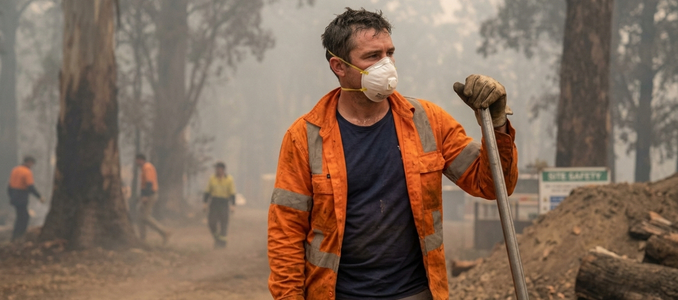
By late summer, these plumes were carried by high-altitude winds across the international boundary into the United States. This phenomenon is not merely an environmental event; it is a public health crisis that has triggered air quality alerts across at least 18 states. In regions as far south as Virginia, populations previously unaccustomed to wildfire-related air quality index (AQI) spikes found themselves under stay-at-home advisories. In Detroit, the situation reached critical levels when the AQI surged to 570, a figure well into the "hazardous" category, which denotes emergency conditions for the entire population, regardless of underlying health status.
The Mechanics of Air Quality Risk
To understand the scope of the challenge, one must look at the Air Quality Index (AQI), the standard reporting tool used by environmental agencies. An AQI value between 0 and 50 is considered "good," but once the index crosses the 51-point threshold, sensitive individuals—including those with asthma, heart disease, or respiratory vulnerabilities—are at an increased risk of health complications.
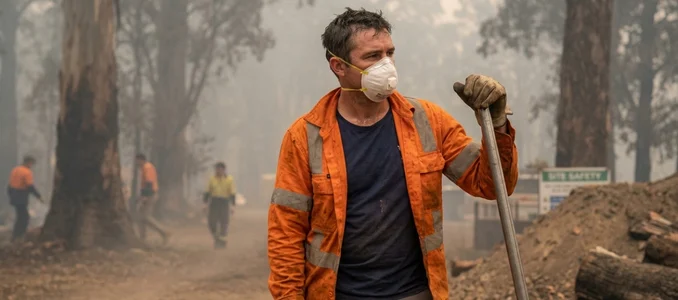
Wildfire smoke is particularly dangerous because of its composition. It contains a complex mixture of fine particulate matter (PM2.5), which is small enough to penetrate deep into the lungs and enter the bloodstream. Furthermore, these plumes carry carbon monoxide, nitrogen oxides, and volatile organic compounds (VOCs). For outdoor workers in sectors such as logistics, construction, and agriculture, these pollutants are not just an irritant; they are a direct workplace hazard. Chronic exposure can lead to acute respiratory distress, coughing, chest pain, and the exacerbation of long-term pulmonary conditions.

A Chronology of Operational Disruption
The 2026 wildfire season provides a clear timeline of how rapidly air quality can impact corporate productivity.
- Early July: Initial reports indicated an unusual number of ignition points in northern Canadian provinces, fueled by unseasonably dry soil conditions.
- Mid-July: Atmospheric shifts began directing smoke toward the Great Lakes region. Multinational manufacturing facilities in the Midwest began noting a spike in employee absenteeism and a decline in labor efficiency as outdoor conditions became hazy.
- Late July: The plumes reached the mid-Atlantic and Northeast. Corporations with regional headquarters in these areas were forced to issue emergency remote work directives to avoid the liability of requiring staff to commute through hazardous air.
- August: Long-term data analysis began to show a quantifiable decline in production output for logistics hubs that lacked advanced air filtration systems.
Corporate Strategic Responses
In response to these recurring atmospheric threats, forward-thinking multinational corporations are integrating air quality monitoring into their standard Occupational Health and Safety (OHS) protocols. The most effective policies now rely on a four-pillar approach: monitoring, physical protection, operational flexibility, and indoor environmental quality.
First, corporations are investing in high-fidelity, site-specific monitoring systems. Relying on regional government data is no longer sufficient, as air quality can vary significantly between a city center and an industrial park located on the periphery. By installing on-site air quality sensors, firms can make data-driven decisions about whether to halt outdoor operations in real-time.

Second, for essential outdoor personnel, the implementation of respiratory protection programs has become mandatory. This includes the provision of N95-rated masks, which are proven effective at filtering out the fine particulates characteristic of wildfire smoke. Companies are also providing training on the proper fit and duration of use for such protective gear, ensuring that the equipment actually mitigates the inhalation risk.
Third, the transition to "flexible operations" has become a cornerstone of modern crisis management. Recognizing that air quality can deteriorate rapidly, many companies have introduced policies that trigger mandatory remote work when the local AQI reaches a specific threshold. This approach effectively decouples the workforce from the physical environment, preserving human health while maintaining baseline operational capacity.
Finally, for indoor environments, firms are upgrading HVAC systems to include HEPA filtration and increased air exchange rates. This ensures that the air within warehouses and offices remains a safe haven, even when the external atmosphere is heavily compromised.

Economic and Legal Implications
The economic impact of these smoke events extends beyond the immediate loss of labor hours. Multinational corporations face mounting pressure to address these risks as part of their Environmental, Social, and Governance (ESG) commitments. Shareholders and regulatory bodies are increasingly asking how organizations are protecting their workers from the effects of a changing climate.
Failure to address air quality can lead to significant legal exposure. If a corporation fails to provide adequate protection for employees in known hazardous conditions, it may face worker compensation claims and potential litigation. Furthermore, the volatility introduced by these events forces companies to reconsider their supply chain resilience. If a manufacturing plant in a smoke-prone region is forced to shut down for two weeks every summer, that facility becomes a liability to the global supply chain, prompting firms to consider diversification of their geographic footprint.
Future-Proofing the Workforce
The reality for the modern multinational is that the "new normal" includes a higher probability of environmental disruption. Industry analysts suggest that the next phase of corporate adaptation will involve the integration of predictive climate modeling into business continuity planning. By anticipating the movement of smoke plumes based on weather patterns and wildfire activity, corporations can proactively shift resources, adjust logistics schedules, and communicate safety expectations to their international teams before an emergency arises.

The transition from a reactive to a proactive stance requires leadership to view air quality not as a peripheral environmental issue, but as a core component of human capital management. As the boundary between global climate change and local business operation continues to dissolve, those companies that prioritize the respiratory health of their employees through comprehensive policy will be the ones that maintain operational continuity in an increasingly unpredictable world.
Ultimately, the lesson of the 2026 wildfire season is that geography is no longer a shield against environmental hazard. Whether a corporation is based in the heart of a city or operates in remote industrial sectors, the air its employees breathe is a critical corporate asset. Protecting that asset is no longer a matter of policy preference; it is a fundamental requirement for the sustainable operation of any multinational enterprise in the 21st century. By leveraging technology, data, and flexible operational strategies, businesses can effectively mitigate the risks posed by cross-border smoke events, ensuring they remain resilient in the face of an evolving global climate.