The Marion Martin Award, established in 2016, serves as one of the highest honors bestowed by the NSC, named in tribute to the pioneering work of the first woman to lead a state labor department. By recognizing leaders like LaRue, the NSC underscores the critical role of diversity in driving innovation within high-hazard industries and complex corporate environments.
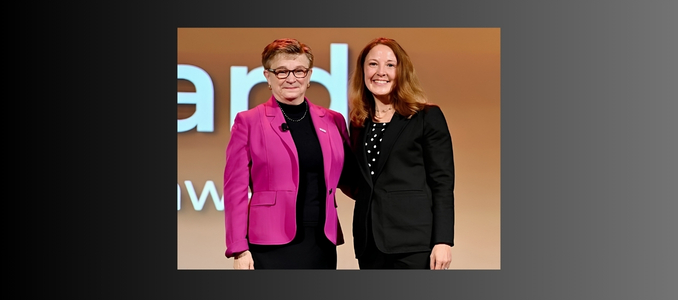
Three Decades of Dedication to Occupational Excellence
Karen LaRue’s career spans more than 30 years, during which she has navigated the evolving landscape of industrial safety. Her tenure at Procter & Gamble has been marked by a transition from traditional safety protocols to a sophisticated, technology-integrated approach. According to industry observers, LaRue’s career path mirrors the broader shift in the manufacturing sector—moving away from reactive hazard management toward a proactive, data-driven safety culture.
Throughout her three-decade trajectory, LaRue has held various roles that required managing complex supply chains and large-scale manufacturing operations. Her recognition in 2026 is the culmination of years of advocacy for integrating safety into the earliest stages of employee onboarding. By embedding safety culture into the initial training modules of the workforce, LaRue has championed a model where risk mitigation is not an ancillary task but a foundational element of professional identity.
Technological Integration and Modern Safety Frameworks
A significant portion of the evaluation for the 2026 Marion Martin Award centered on LaRue’s adeptness at incorporating emerging technologies into daily operations. In the modern manufacturing landscape, the introduction of automation and advanced robotics presents both new hazards and new opportunities for safety optimization. LaRue’s work has been pivotal in creating safety protocols that allow for the seamless integration of these technologies without compromising human welfare.

Her approach involves the utilization of predictive analytics and smart sensors that monitor ergonomic stress, machinery performance, and environmental hazards in real time. By digitizing the safety experience, LaRue has helped shift the paradigm at Procter & Gamble, proving that operational efficiency and the highest standards of safety are not mutually exclusive. This intersection of technology and human-centric safety is considered a blueprint for the next generation of industrial operations.
The Evolution of the Marion Martin Award
The Marion Martin Award was created a decade ago to address a historical gender gap in safety leadership. When the award was launched in 2016, the goal was to provide a platform for women whose behind-the-scenes contributions were shaping the future of OSHA compliance, industrial hygiene, and behavioral safety.
Historically, the safety profession has been male-dominated, particularly in the manufacturing and construction sectors. Data from the Bureau of Labor Statistics and the NSC consistently suggest that while women represent a significant portion of the workforce, they remain underrepresented in senior executive safety roles. The Marion Martin Award aims to dismantle these barriers by highlighting role models like LaRue, who not only excel in their technical duties but also actively mentor younger women entering the field.

Implications for the Future of Safety Leadership
Industry analysts suggest that LaRue’s recognition signals a broader industry trend toward inclusive leadership. As organizations face increasing pressure to meet Environmental, Social, and Governance (ESG) criteria, the role of safety leadership has expanded. Safety is no longer viewed strictly as an internal operational requirement; it is now a key component of corporate reputation and social responsibility.
LaRue’s work in supporting professional development for women creates a multiplier effect. By fostering a supportive network, she contributes to the retention of talent in the safety sector. The "safety professional" of 2026 requires a diverse skill set—ranging from data science and psychology to policy and emergency management—and leaders like LaRue are essential in attracting the talent necessary to meet these modern challenges.
Reactions and Industry Context
While official statements from Proctor & Gamble and the NSC highlight the technical merits of LaRue’s work, the broader safety community has noted the timing of this award as particularly significant. The 2026 Safety Congress & Expo in Indianapolis served as a backdrop for discussions on the post-pandemic recovery of industrial output and the resulting surge in safety-related challenges, such as labor shortages and rapid technological adoption.

Experts attending the congress noted that the recognition of leaders like LaRue serves to validate the "total worker health" approach. This framework—which looks at the health of the worker holistically, including physical safety, mental health, and professional advancement—has gained significant traction. LaRue’s advocacy for career development for women is inherently aligned with this philosophy, as professional growth is a key indicator of worker well-being and engagement.
The Role of Mentorship and Institutional Change
One of the defining characteristics of LaRue’s career, as cited by her peers, is her commitment to the "mentorship pipeline." In many industrial sectors, the transfer of knowledge from veteran safety professionals to new hires is often interrupted by organizational silos. LaRue has been instrumental in breaking down these silos, facilitating peer-to-peer mentorship programs that connect junior safety officers with experienced mentors.
This institutional change is credited with reducing incident rates and improving the efficacy of safety interventions. By creating an environment where women feel empowered to lead safety audits, manage large-scale compliance projects, and influence corporate policy, LaRue has left an indelible mark on the culture of her organization. Her influence extends beyond Procter & Gamble, as many of her initiatives have been shared through industry forums, influencing safety practices across the broader manufacturing spectrum.

Data-Driven Safety in 2026: A Look Ahead
As the safety profession moves further into the late 2020s, the focus is shifting toward "Safety 4.0," a concept that integrates Industry 4.0 advancements with human-centered design. LaRue’s work in integrating automation into the employee lifecycle provides a concrete case study for how these advancements can be scaled.
Current metrics within the industry indicate that organizations prioritizing diversity and inclusion in their safety departments report higher employee retention and lower rates of workplace injuries. The correlation between diverse leadership teams and superior safety performance is becoming increasingly clear, making the recognition of pioneers like LaRue not just a celebratory gesture, but a strategic imperative for the industry.
Conclusion
The 2026 Marion Martin Award, presented to Karen LaRue, represents more than a personal milestone for a seasoned safety leader; it serves as a testament to the evolving nature of the profession itself. As workplaces continue to transform under the weight of technological advancement and shifting societal expectations, the contributions of leaders who can bridge the gap between technical rigor and human advocacy become increasingly vital.

LaRue’s career serves as a roadmap for future professionals. Her focus on onboarding, technological integration, and the active advancement of women in the workforce provides a comprehensive model for what effective safety leadership looks like in the 21st century. As the NSC looks toward the next decade of safety, the impact of LaRue’s work will undoubtedly continue to influence the standards and practices that define the industry.
By honoring individuals like LaRue, the NSC ensures that the narrative of safety remains dynamic and inclusive. Her journey from an entry-level professional to a decorated industry leader underscores the necessity of continuous learning, the importance of technological adaptability, and the enduring power of mentorship in creating safer, more resilient workplaces for all. As the 2026 Safety Congress & Expo continues, the themes raised by her recognition remain central to the dialogue surrounding the future of global occupational health and safety.