
Parkinson’s disease is a progressive disorder of the central nervous system that primarily affects movement, often including tremors, stiffness, and slowing of movement. As the second most common neurodegenerative disorder globally, affecting an estimated 10 million people, PD represents a massive public health challenge. Currently, most treatments for PD focus on symptom management rather than a cure, making early intervention the primary strategy for optimizing patient quality of life. However, the medical community has long struggled with the "subjectivity gap" in diagnosis, where clinical rating scales and expensive neural imaging are the only available tools, often leading to late-stage detection.
The Science of Sebum and the Search for Volatile Biomarkers
The foundation of this new diagnostic approach lies in the study of sebum—an oily, waxy substance produced by the body’s sebaceous glands. For years, researchers have investigated the link between sebum and Parkinson’s disease, driven by observations that PD patients often exhibit overactive sebaceous glands, a condition known as seborrheic dermatitis. Previous studies suggested that the chemical composition of sebum changes as a result of the physiological shifts associated with PD, including neurodegeneration, systemic inflammation, and heightened oxidative stress.
These physiological changes result in the release of specific Volatile Organic Compounds (VOCs). VOCs are organic chemicals that have a high vapor pressure at room temperature, essentially creating a unique "scent profile" for various biological states. While the concept of using skin-based sebum for diagnosis showed promise, it faced significant practical hurdles. Sebum on the surface of the skin is highly susceptible to environmental contamination. Exposure to air pollution, fluctuating humidity levels, and personal hygiene products can alter the chemical signature of skin sebum, rendering it an inconsistent medium for clinical testing.
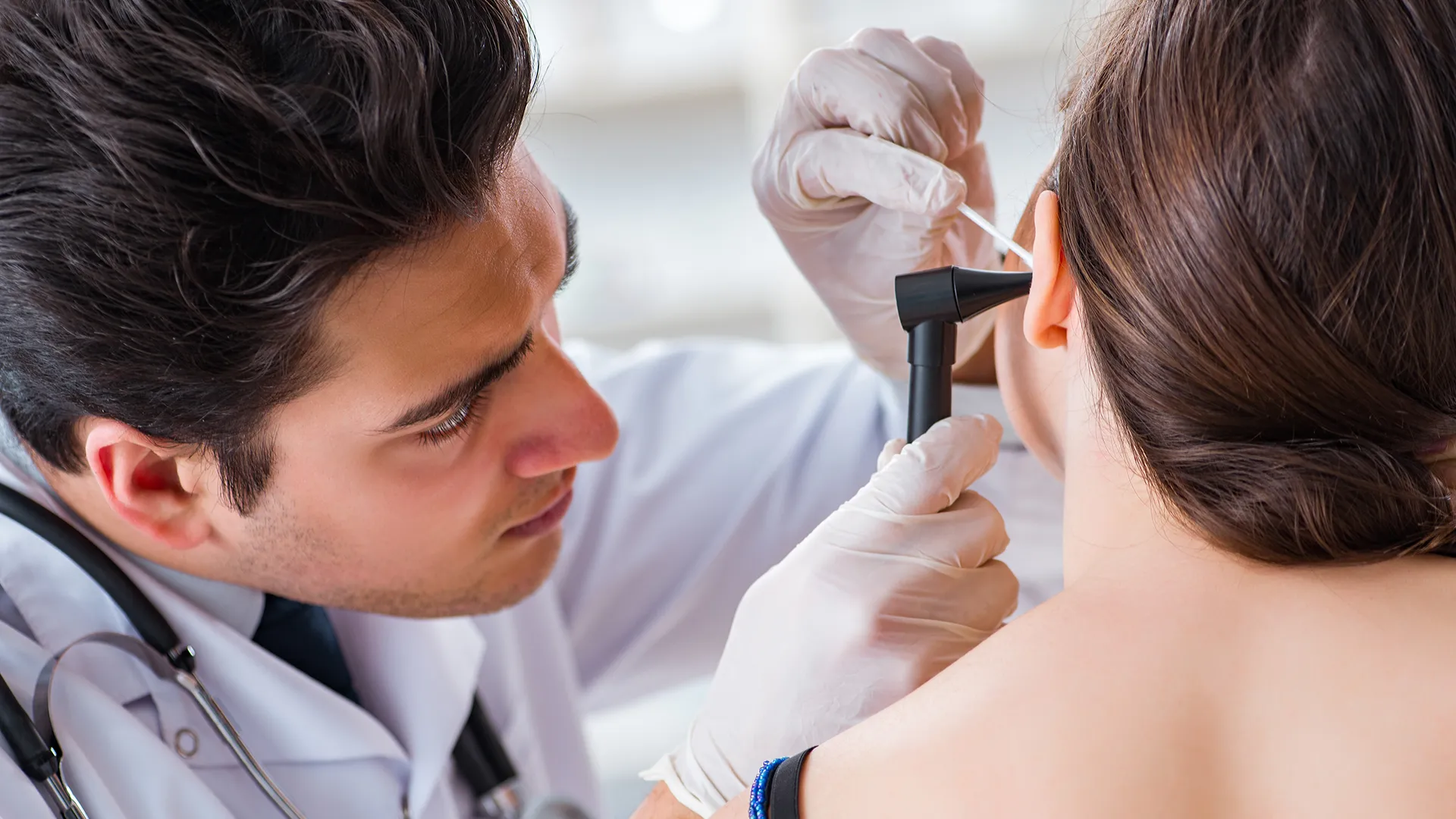
To circumvent these environmental variables, Dong and Zhu turned their attention to the ear canal. The skin inside the ear canal is shielded from most external factors, providing a more stable and "pure" environment for sebum accumulation. Earwax, which consists largely of sebum mixed with dead skin cells and sweat, acts as a biological reservoir that captures the body’s internal chemical signals without the interference found on the forehead or back.
Chronology of the Study and Methodology
The research progressed through several distinct phases, beginning with the collection of samples and concluding with the training of a sophisticated machine learning model.
-
Subject Recruitment and Sampling: The researchers conducted a single-center study in China, swabbing the ear canals of 209 human subjects. The cohort was divided into two groups: 108 individuals previously diagnosed with Parkinson’s disease and 101 healthy control subjects. This demographic split allowed the team to establish a clear baseline for "normal" versus "pathological" earwax composition.
-
Chemical Profiling (GC-MS Analysis): Once the samples were collected, the team utilized gas chromatography-mass spectrometry (GC-MS). This analytical method combines the features of gas-liquid chromatography and mass spectrometry to identify different substances within a test sample. This phase was critical for isolating the specific molecules that differentiated PD patients from the healthy group.
-
Biomarker Identification: Through rigorous analysis, the researchers identified four specific VOCs that were present in significantly different concentrations in the earwax of PD patients. These four chemicals—ethylbenzene, 4-ethyltoluene, pentanal, and 2-pentadecyl-1,3-dioxolane—were designated as the primary biomarkers for the disease.
-
AI Training and Validation: The final phase involved the development of the Artificial Intelligence Olfactory (AIO) system. The researchers fed the chemical data from the 209 subjects into a machine learning algorithm, teaching the system to recognize the "scent" of Parkinson’s based on the ratios and presence of the identified VOCs.
Supporting Data and Accuracy Metrics
The results of the AIO system were remarkably robust. In the validation phase, the model was able to categorize the earwax samples with an accuracy rate of 94.4%. This high degree of precision is particularly notable when compared to traditional clinical assessments, which can have a high rate of misdiagnosis in the early stages of the disease—sometimes as high as 25% when performed by non-specialists.
The identification of the four biomarkers provides a concrete chemical basis for future testing:
- Ethylbenzene and 4-ethyltoluene: These are aromatic hydrocarbons that have been linked in various studies to metabolic shifts and environmental exposure, but their specific elevation in PD earwax suggests a unique metabolic byproduct of the disease.
- Pentanal: An alkyl aldehyde that is often a marker of lipid peroxidation, a process closely tied to the oxidative stress found in the brains of Parkinson’s patients.
- 2-pentadecyl-1,3-dioxolane: A more complex organic compound whose role in the body’s pathology is still being explored but served as a highly reliable indicator in the AIO model.
Implications for Early Intervention and Patient Care
The potential for a 94% accurate, non-invasive screening tool carries profound implications for the global healthcare system. Parkinson’s disease is characterized by a "prodromal phase"—a period of years or even decades where the disease is active in the brain but has not yet manifested in the motor symptoms required for a traditional diagnosis. By the time a patient develops a noticeable tremor, it is estimated that 60% to 80% of the dopamine-producing neurons in the substantia nigra have already been lost.
An earwax-based screening tool could be implemented during routine physical examinations, much like a cholesterol test or a blood pressure check. Early detection would allow clinicians to:
- Start neuroprotective therapies (as they become available) much earlier in the disease cycle.
- Implement lifestyle interventions, such as specific exercise regimens and dietary changes, which have been shown to slow progression.
- Enroll patients in clinical trials for new drugs at a stage where the brain is still relatively intact, potentially increasing the success rate of these therapies.
Furthermore, the cost-effectiveness of earwax swabbing compared to PET scans or DaTscans (which can cost thousands of dollars) makes this technology accessible to lower-income populations and developing nations where specialized neurology care is scarce.
Official Responses and Future Research Directions
While the results are promising, the research team is maintaining a cautious and methodical outlook. Hao Dong emphasized that while the initial findings are a significant proof of concept, the study’s current scope is a limitation that must be addressed before widespread clinical adoption.
"This method is a small-scale single-center experiment in China," Dong stated. "The next step is to conduct further research at different stages of the disease, in multiple research centers and among multiple ethnic groups, in order to determine whether this method has greater practical application value."
Medical experts not involved in the study have noted that the next hurdle will be "prodromal validation." The current study used patients who were already diagnosed. To prove its true value as an early-warning system, the AIO must be tested on individuals who do not yet show symptoms but are at high genetic risk for PD, to see if the earwax changes precede the motor symptoms.
There is also the question of "confounding variables." While the ear canal is more protected than the forehead, researchers will need to determine if ear infections, use of hearing aids, or specific ear-cleaning habits could interfere with the VOC readings.
Broader Impact on the Field of Olfactory Diagnostics
This study contributes to a growing body of evidence suggesting that the human body "smells" of disease. The concept of olfactory diagnosis gained mainstream attention through the case of Joy Milne, a Scottish woman with a hyperosmic sense of smell who could detect a "musky" odor on her husband years before he was diagnosed with Parkinson’s. Her ability led to the initial investigations into sebum as a carrier of disease-specific scents.
By digitizing this "sense of smell" through AI and gas chromatography, the researchers are moving from anecdotal evidence to a standardized medical protocol. If successful, the AIO system could theoretically be recalibrated to detect other conditions that alter metabolic VOCs, such as Alzheimer’s disease, certain cancers, or metabolic disorders.
The research was supported by significant institutional backing, including the National Natural Sciences Foundation of Science, the Pioneer and Leading Goose R&D Program of Zhejiang Province, and the Fundamental Research Funds for the Central Universities. This level of investment underscores the high priority placed on developing innovative, scalable solutions for the aging global population.
As the scientific community moves toward a more personalized and proactive model of medicine, tools like the AI olfactory system represent the frontier of "passive diagnostics"—methods that gather critical health data with minimal discomfort or cost to the patient. For the millions of families affected by Parkinson’s disease, the ability to screen for the condition with a simple ear swab could mean the difference between reactive symptom management and a proactive, life-extending treatment plan.