Landmark Legal Victory Against Discriminatory Law Enforcement Practices
The NAD recently secured a $1.2 million settlement in a high-profile civil rights case involving the intersection of disability rights and law enforcement procedures. The case centered on a 2021 incident involving a Deaf woman and her 11-year-old twin daughters. During a police encounter, the responding officer, who was wearing a mask, failed to provide effective communication, violating established protocols under the Americans with Disabilities Act (ADA).
The situation escalated when the officer attempted to use the mother’s young children as ad-hoc interpreters, a practice that contradicts federal guidelines regarding the necessity of qualified, neutral, third-party interpreters in legal and law enforcement contexts. The resulting arrest caused profound trauma for the family. The NAD’s legal department, led by Director of Legal Services Brittany Shrader, Esq., pursued the case to emphasize the systemic failure of police departments to provide appropriate auxiliary aids and services.
This settlement serves as a critical precedent. Legal analysts suggest that the $1.2 million figure acts as a punitive and deterrent measure, sending a clear message to municipal police departments across the United States. The core of the advocacy remains that relying on family members, especially minors, to facilitate communication in law enforcement scenarios is not only ineffective but inherently discriminatory and dangerous. The NAD continues to push for mandatory training in police academies regarding Deaf culture and the legal requirements for accessing professional interpreter services.
Strategic Educational Reform: The BEDE Initiative
Beyond its legal advocacy, the NAD is prioritizing systemic reform in educational settings through the Blueprint on Excellence in Deaf Education (BEDE). Dr. Marla Hatrak, an educational policy consultant for the organization, is spearheading this initiative. The BEDE project aims to rectify long-standing inequities in the national Deaf education system by establishing a unified framework that promotes high academic standards, linguistic access, and better integration of American Sign Language (ASL) within school curricula.
Dr. Hatrak is scheduled to host a comprehensive workshop on this blueprint at the #NAD2026 conference. The initiative is a response to decades of data showing that Deaf students frequently underperform in standardized metrics due to a lack of early language intervention and inadequate classroom support. By formalizing a "blueprint," the NAD hopes to provide state departments of education with a roadmap that ensures Deaf students receive an education comparable in quality to their hearing peers.
58th Biennial Conference: Operational Logistics and Programming
The 58th biennial National Association of the Deaf conference stands as the organization’s flagship event, serving as both a professional development summit and a policy-setting forum. With the event slated for San Francisco, organizational logistics are currently in a high-intensity phase. According to Nancy Bloch, assistant to the interim CEO, the conference hotel room block is already 60% capacity, reflecting a robust interest from the community.
The conference serves as the venue for the Council of Representatives, the primary legislative body of the NAD. It is here that organizational priorities are debated and voted upon, shaping the advocacy agenda for the following two years. The deadline for registration and accommodation is set for May 20, 2026. The event will feature a wide array of workshops, industry exhibits, and policy meetings, all designed to foster collaboration between Deaf leaders, educators, and service providers.
Empowering the Next Generation of Deaf Leaders
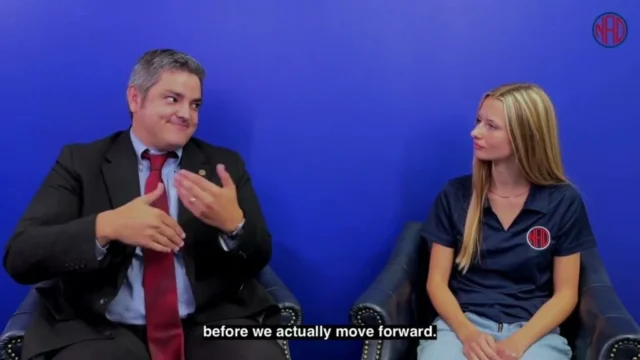
The NAD has significantly expanded its investment in youth programming, recognizing that the sustainability of the organization relies on cultivating a pipeline of future leaders. Claudia Giordano, Director of Youth Programs, outlined three primary pillars of this strategy:
- Youth Leadership Camp (YLC): This flagship program will bring 64 students to the Pacific Northwest. The curriculum is designed to move beyond traditional classroom learning, focusing on outdoor leadership, teamwork, and networking with established professionals.
- Jr. NAD Pages Program: Targeted at students aged 13 to 17, this initiative integrates youth into the operational backbone of the national conference. By working alongside professional staff, these students gain firsthand experience in how the Council of Representatives functions. This immersive approach provides students with a pragmatic understanding of governance and organizational management.
- College Bowl: A staple of the NAD conference, the College Bowl is a biennial academic competition where university teams compete in a high-stakes environment. The event is designed to celebrate academic achievement and intellectual agility within the Deaf community.
These programs reflect a broader strategic shift within the NAD to move toward a more intergenerational model of advocacy, ensuring that the needs of Deaf youth are directly addressed by the organization’s long-term policy goals.
Executive Transition and Organizational Oversight
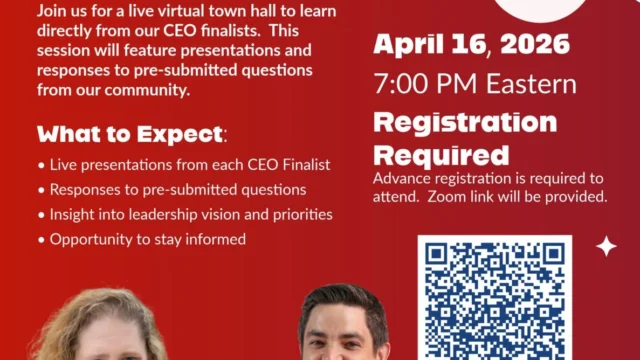
The leadership transition within the NAD remains a focal point for the board and staff. Dr. Bobbie Beth Scoggins, serving as Interim CEO, has spent the last several months streamlining internal processes and facilitating a smooth handover for the incoming permanent leadership. Her role has been multifaceted, encompassing support for staff, coordination with local California-based organizers, and oversight of the executive search process.
The search for a new CEO is a meticulous undertaking, as the candidate must possess both the technical expertise to handle federal policy advocacy and the cultural competency to represent a diverse, nationwide constituency. Dr. Scoggins is committed to maintaining operational continuity through July 31, 2026, ensuring that the incoming leadership inherits a stabilized organization prepared to tackle the legislative and social challenges of the coming decade.
Broader Implications and Future Outlook
The current trajectory of the NAD reflects an organization that is simultaneously addressing immediate crises—such as police discrimination—and planning for structural shifts in education and leadership development. The integration of legal advocacy with educational policy reform indicates a holistic approach to disability rights.
As the organization approaches the San Francisco conference, the focus is expected to shift toward the implementation of the BEDE initiative and the formalization of new policy mandates from the Council of Representatives. The NAD’s ability to successfully navigate its leadership transition while managing high-stakes litigation will likely serve as a barometer for its influence in national civil rights discourse over the next several years.
With significant legislative work still ahead, particularly concerning federal oversight of interpreter mandates and the modernization of Deaf education, the NAD’s current initiatives represent a critical phase in the organization’s century-long history of advocacy. Stakeholders and community members are encouraged to monitor the organization’s official channels for further updates as the July 2026 conference approaches, as these outcomes will have lasting effects on the landscape of Deaf rights in the United States.