
The findings represent a significant shift in how scientists view the progression of dementia. While Alzheimer’s is traditionally characterized as a disease of the elderly, this study highlights the "silent" phase of the condition, where metabolic health—or the lack thereof—exerts a continuous, damaging pressure on the central nervous system. The research was led by Ramon Velazquez, an assistant professor with the ASU-Banner Neurodegenerative Disease Research Center, in collaboration with the ASU School of Life Sciences, the Banner Sun Health Research Institute, and the Mayo Clinic in Arizona.
The Biological Link Between Obesity and Brain Injury
The research team conducted a detailed analysis of 30 young adults, aged between 18 and 35. The cohort was split into two groups: those with a Body Mass Index (BMI) categorized as healthy and those categorized as obese. By utilizing fasting blood samples, the researchers were able to look beyond surface-level health indicators to examine the molecular environment of the body.
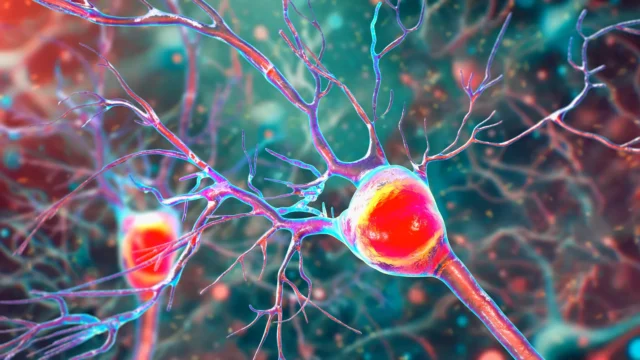
The most striking discovery was the presence of elevated neurofilament light chain (NfL) in the obese group. Under normal conditions, NfL remains within the structure of neurons. However, when brain cells are damaged or die, this protein leaks into the cerebrospinal fluid and eventually the bloodstream. In clinical settings, high NfL levels are used to monitor the progression of multiple sclerosis, amyotrophic lateral sclerosis (ALS), and Alzheimer’s disease. Seeing these elevated levels in individuals in their 20s and 30s suggests that obesity-related metabolic stress is causing measurable injury to the brain long before any behavioral symptoms, such as memory lapses or cognitive slowing, become apparent.
This injury appears to be part of a broader "metabolic storm." The study found that young adults with obesity also had higher concentrations of inflammation-promoting proteins known as cytokines, as well as elevated liver enzymes. These enzymes often signal non-alcoholic fatty liver disease (NAFLD), a condition increasingly linked to cognitive impairment. The data suggests that the liver and the brain are inextricably linked through the vascular system; when the liver is under stress from processing excess fats and sugars, the resulting systemic inflammation can breach the blood-brain barrier, leading to the neuronal damage indicated by NfL.
Choline: The Missing Defense Mechanism
A central pillar of the ASU study focuses on the role of choline, an essential nutrient that the body uses to produce acetylcholine—a neurotransmitter critical for memory, mood, and muscle control. Choline is also vital for maintaining the structural integrity of cell membranes and for the transport of fats out of the liver. Despite its importance, the study found that many participants, particularly those in the obese group, had significantly lower levels of circulating choline than their healthy-weight counterparts.
"This research adds to the growing evidence that choline is a valuable marker of metabolic and brain dysfunction," stated Ramon Velazquez. He noted that the deficiency in choline directly correlated with the severity of inflammation and the levels of NfL found in the blood. Essentially, the less choline a participant had, the more evidence there was of brain cell damage.
The deficiency is not just a localized finding within the study. National nutrition surveys, including the National Health and Nutrition Examination Survey (NHANES), have consistently shown that the vast majority of the American population—upwards of 90%—does not meet the recommended daily intake of choline. For adult men, the recommended amount is 550 mg per day, while for women, it is 425 mg per day. The ASU study highlighted that women in the participant group had even lower levels of choline than men. This is a particularly concerning finding for public health experts, as women are disproportionately affected by Alzheimer’s disease, making up nearly two-thirds of all diagnosed cases.
The Evolutionary and Chronological Context of the Research
The ASU study does not exist in a vacuum; it is the latest step in a multi-year effort to understand how diet influences brain aging. Prior to this human study, Velazquez and his colleagues conducted extensive research using rodent models. Those earlier studies demonstrated that when mice were deprived of dietary choline, they developed symptoms of obesity, liver dysfunction, and a significant increase in the amyloid-beta plaques and tau tangles that define Alzheimer’s pathology.
The transition from animal models to young human subjects marks a critical point in the research chronology. It confirms that the biological pathways observed in the lab are active in humans during the most formative years of adulthood. Historically, Alzheimer’s research focused almost exclusively on the "end-stage" of the disease—the point where the brain is already riddled with plaques. However, the failure of many plaque-clearing drugs in clinical trials has led the scientific community to look much earlier in the timeline. The ASU findings support the "metabolic hypothesis" of Alzheimer’s, which posits that the disease is often the result of decades of metabolic mismanagement.
Implications for Modern Weight-Loss Treatments
The study arrives at a time when the landscape of obesity treatment is being transformed by GLP-1 receptor agonists, such as semaglutide and tirzepatide. While these medications are highly effective at reducing weight and improving insulin sensitivity, the ASU researchers raised an important point regarding nutrient density. Because these drugs work primarily by suppressing appetite, patients consume significantly less food.
If a patient’s diet was already low in essential nutrients like choline, a further reduction in food intake could exacerbate the deficiency. The researchers suggest that as the use of weight-loss drugs becomes more widespread, clinical guidelines may need to evolve to ensure patients are supplementing with neuroprotective nutrients. Maintaining metabolic health through weight loss is beneficial, but the authors note that future research must determine if the brain-protective effects of weight loss are maximized when paired with adequate choline intake.
Analysis of Public Health and Future Screening
The discovery of NfL and choline as early-warning markers offers a potential pathway for new screening protocols. Currently, most young adults do not undergo neurobiological screening unless they have suffered a traumatic injury. However, if a simple blood test can identify individuals at high risk for future cognitive decline based on their metabolic profile, interventions could begin 30 to 40 years before symptoms appear.
The implications of this are vast. The economic burden of Alzheimer’s disease is projected to reach $1.1 trillion in the United States by 2050. By identifying obesity and choline deficiency as modifiable risk factors in early adulthood, public health initiatives could focus on "preventative neurology." This would involve not just weight management, but specific dietary education.
Choline-rich foods are readily available but often overlooked in the modern Western diet. These include:
- Eggs: One of the most concentrated sources of choline.
- Lean Meats: Poultry and beef.
- Fish: Particularly salmon and cod.
- Legumes: Beans, peas, and lentils.
- Cruciferous Vegetables: Broccoli, cauliflower, and Brussels sprouts.
"Most people don’t realize they aren’t getting enough choline," said Wendy Winslow, first co-author of the study. She emphasized that adding these foods to a daily routine could serve as a low-cost, high-impact strategy for supporting brain health across the lifespan.
Conclusion and Scientific Outlook
The ASU-led study serves as a stark reminder that the body and brain do not function in isolation. The metabolic stress caused by obesity creates a systemic environment that is hostile to neuronal survival. By linking low choline levels and high NfL to obesity in young adults, the researchers have provided a biological roadmap for how cognitive decline begins.
"Our results suggest that, in young adults, good metabolic health and adequate choline contribute to neuronal health, laying the groundwork for healthy aging," concluded Jessica Judd, a co-author of the study.
As research continues, the team at the ASU-Banner Neurodegenerative Disease Research Center plans to expand their investigation to see if choline supplementation can actively reverse the early signs of neuronal damage seen in this study. For now, the message to the public and the medical community is clear: the window for protecting the brain is open much earlier than previously thought, and the tools for protection may be as simple as improving metabolic health and ensuring the intake of essential nutrients. The study stands as a call to action for a more integrated approach to healthcare, where metabolic maintenance is viewed as a primary pillar of long-term cognitive resilience.