The Biological Mechanics of Neural Waste Clearance
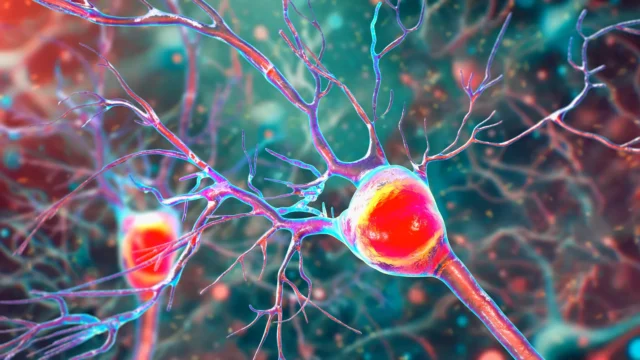
To understand the significance of the NTU study, one must first look at the brain’s internal "plumbing." The human brain is a highly metabolic organ that generates significant amounts of metabolic waste. This waste is cleared through a network of small channels known as perivascular spaces, which surround the brain’s blood vessels. These channels facilitate the drainage of interstitial fluid containing toxic proteins, most notably beta-amyloid and tau.
In a healthy brain, this drainage system operates efficiently, preventing the accumulation of protein aggregates. However, when the system becomes sluggish or blocked, the perivascular spaces begin to dilate or "clog." These enlarged spaces eventually become large enough to be captured on standard MRI scans. Until the publication of this study, the medical community remained uncertain whether these visible enlargements were merely a byproduct of aging or a specific, early-stage indicator of neurodegenerative diseases like Alzheimer’s.
The NTU research team focused on how these clogged drainage pathways relate to established biomarkers of Alzheimer’s, such as the buildup of amyloid plaques and damage to the brain’s white matter—the dense network of nerve fibers that enables communication between different regions of the brain.
A Crucial Focus on Asian Demographics
One of the most significant aspects of this study is its focus on Asian populations. For decades, the vast majority of Alzheimer’s research has been conducted on Caucasian participants in North America and Europe. This geographic and ethnic bias has long concerned researchers, as dementia does not manifest identically across all genetic and cultural groups.
Associate Professor Nagaendran Kandiah, who led the study at NTU’s Lee Kong Chian School of Medicine (LKCMedicine), noted that genetic risk factors vary wildly between populations. For instance, the apolipoprotein E4 (APOE4) gene is one of the most well-known genetic risk factors for Alzheimer’s. In Caucasian populations, this gene is present in approximately 50 to 60 percent of dementia patients. However, among Singaporean patients, that figure drops to less than 20 percent.
Because of these stark differences, findings derived from Western cohorts cannot always be directly applied to Asian patients. By examining nearly 1,000 individuals from Singapore’s diverse ethnic backgrounds—including Chinese, Malay, and Indian participants—the NTU team has provided data that is specifically relevant to the Asian context, where the burden of dementia is expected to rise sharply in the coming decades as populations age.
Methodology and Study Design
The research was conducted as part of the Scholarly Project module within the Bachelor of Medicine and Bachelor of Surgery (MBBS) programme at LKCMedicine. The study’s first author, Justin Ong, a fifth-year medical student, worked alongside seasoned researchers to analyze a massive dataset.
The participant pool was divided into two primary groups:
- Cognitively Healthy Individuals: Approximately 350 participants who demonstrated normal memory, reasoning, and decision-making abilities.
- Early Cognitive Decline Cohort: Participants experiencing Mild Cognitive Impairment (MCI). MCI is considered a transitional stage between normal aging and dementia; individuals with MCI are at a significantly higher risk of progressing to Alzheimer’s or vascular dementia.
The team utilized a two-pronged approach to data collection. First, they performed high-resolution MRI scans to identify and quantify the presence of enlarged perivascular spaces and white matter hyperintensities (damage to the brain’s "wiring"). Second, they conducted blood tests to measure seven specific biochemical markers associated with Alzheimer’s, including various forms of amyloid-beta and tau proteins.
Correlation with Blood-Based Biomarkers
The study’s findings established a robust link between the physical "clogging" of the brain and the chemical signatures of Alzheimer’s. The researchers discovered that enlarged perivascular spaces were significantly associated with four out of the seven biochemical markers measured in the blood. Specifically, individuals with more prominent ePVS showed higher levels of amyloid plaques and tau tangles, as well as evidence of increased damage to neural cells.
While damage to the brain’s white matter has long been used as a clinical indicator for dementia because it is easily spotted on MRIs, the NTU study found something unexpected. Among the participants with Mild Cognitive Impairment, the correlation between Alzheimer’s-related biochemicals and enlarged perivascular spaces was actually stronger than the correlation with white matter damage.
This suggests that while white matter damage indicates that the disease has already caused structural harm, enlarged perivascular spaces may be a more sensitive, earlier signal that the brain’s "cleaning service" is failing, leading to the eventual accumulation of toxic proteins.
Clinical Implications for Early Intervention
The ability to identify Alzheimer’s risk through routine MRI scans—often performed for unrelated issues like persistent headaches or minor falls—could drastically change the timeline of patient care. Currently, definitive Alzheimer’s tests, such as PET scans or cerebrospinal fluid analysis (via lumbar puncture), are expensive, invasive, and not always available in primary care settings.
"Since these brain anomalies can be visually identified on routine MRI scans performed to evaluate cognitive decline, identifying them could complement existing methods to detect Alzheimer’s earlier, without having to do and pay for additional tests," said Assoc Prof Kandiah.
Early detection is the cornerstone of modern dementia care. While there is currently no cure for Alzheimer’s, early intervention allows for:
- Lifestyle Modifications: Adjustments in diet, exercise, and cognitive stimulation that have been shown to slow progression.
- Pharmacological Management: Earlier access to newly emerging disease-modifying therapies that are most effective in the prodromal (pre-symptomatic) stages.
- Vascular Health Management: Treating hypertension and diabetes, which can exacerbate the "clogging" of the brain’s drainage system.
Justin Ong emphasized that identifying the disease sooner gives doctors a critical "window of opportunity" to intervene before memory loss and thinking speed reduction become debilitating.
Expert Reactions and the Synergy of Brain Health
The medical community has reacted with cautious optimism to the NTU findings. Dr. Rachel Cheong Chin Yee, a Senior Consultant at Khoo Teck Puat Hospital’s Department of Geriatric Medicine, noted that the study underscores the pivotal role of small blood vessel health in neurodegeneration. She remarked that the findings could help identify high-risk individuals even before they begin to forget names or lose their way.
Dr. Chong Yao Feng, a Consultant at the National University Hospital’s Division of Neurology, pointed out that the study challenges the traditional separation of cerebrovascular disease (problems with blood flow) and Alzheimer’s disease. Historically, these were viewed as two distinct paths to dementia. However, the NTU data suggests they interact synergistically; a failure in the vascular-linked drainage system directly contributes to the protein buildup characteristic of Alzheimer’s.
Dr. Chong advised that clinicians reviewing MRI scans should no longer dismiss enlarged perivascular spaces as incidental findings. Instead, they should see them as a prompt for deeper clinical investigation and discussion with the patient regarding their future cognitive health.
Future Research and Global Outlook
The NTU research team is not stopping at these initial findings. They have already planned longitudinal follow-up studies to track the original participants over several years. This will allow the researchers to determine exactly how many of those with "clogged" brain drains eventually develop full-blown Alzheimer’s dementia compared to those with clear drainage pathways.
If these longitudinal results confirm that ePVS is a reliable predictor of decline, it could lead to the development of standardized scoring systems for radiologists. Much like "calcium scores" are used to predict heart disease risk during CT scans, an "ePVS score" could become a standard part of neuroimaging reports.
As the global population ages, the number of people living with dementia is projected to triple by 2050. In Asia, where the aging trend is particularly acute, the development of low-cost, accessible screening tools is a public health priority. The discovery by the NTU Singapore team represents a significant step toward a future where Alzheimer’s is not a sudden, late-stage diagnosis, but a manageable condition identified years before the first memory fades.