The Paradigm Shift in Oligodendrocyte Research
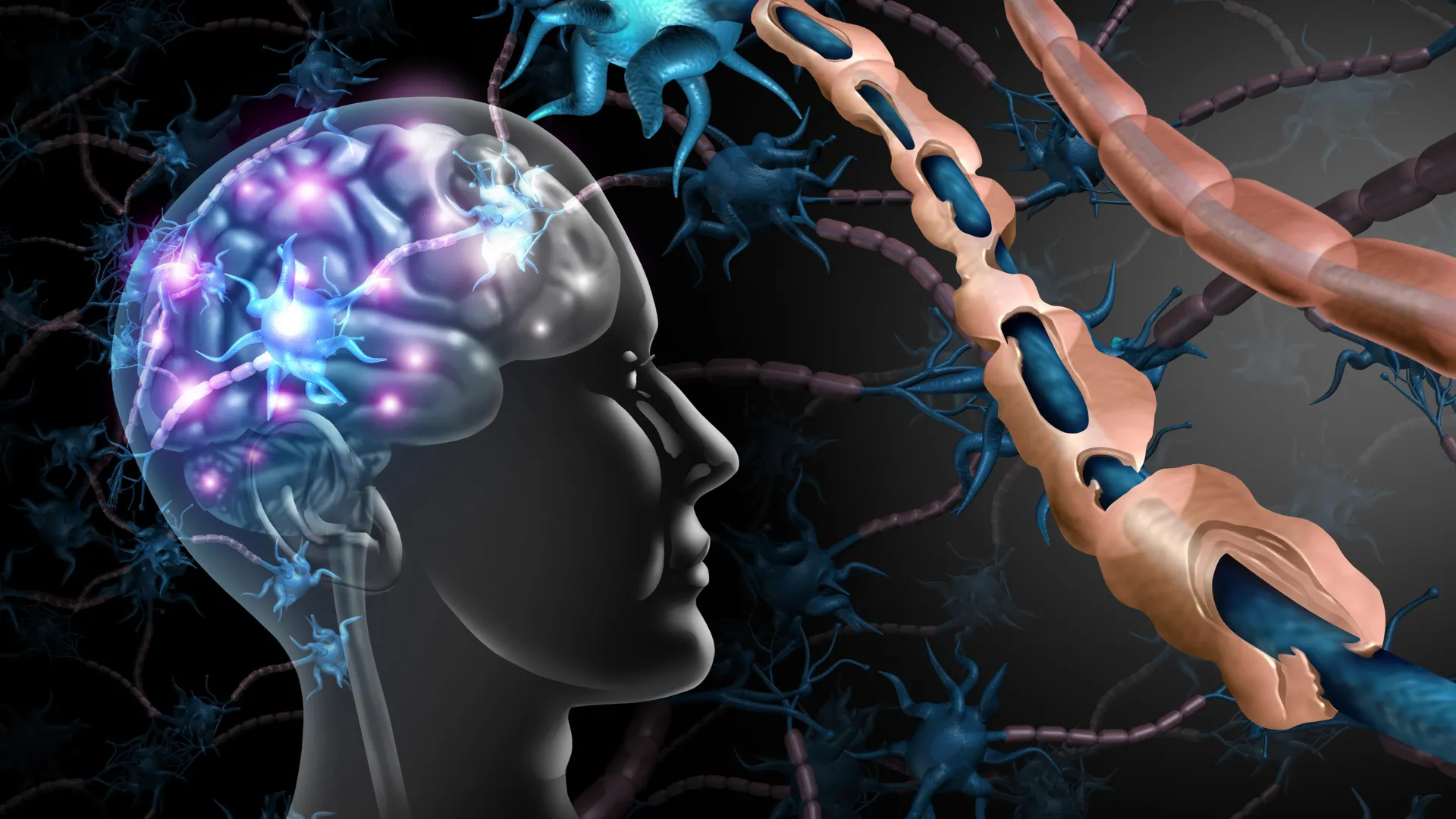
At the center of this research are oligodendrocytes, a specialized type of glial cell. In a healthy brain, these cells produce myelin, a fatty substance that wraps around axons—the "wires" of the nervous system. This myelin sheath acts as insulation, allowing electrical impulses to transmit quickly and efficiently between different regions of the brain. Until now, the scientific community largely viewed oligodendrocytes as purely beneficial, with their decline usually associated with autoimmune diseases like multiple sclerosis (MS) rather than standard age-related cognitive aging.
The new findings suggest a more complex reality. While oligodendrocytes are designed to support the brain, they appear to lose their functional "blueprint" during the aging process. Instead of simply fading away, these cells can become dysfunctional, leading to the production of abnormal myelin that interferes with the very nerve fibers they are meant to protect. This shift from protector to contributor of decline represents a significant departure from traditional models of brain aging, which have historically focused more on the death of neurons or the accumulation of toxic proteins like amyloid-beta and tau.
The Lothian Birth Cohort: A Unique Window into the Aging Mind
The strength of this study lies in its reliance on the Lothian Birth Cohort 1936, one of the most comprehensive longitudinal studies of cognitive aging in the world. The cohort consists of individuals born in 1936 who took part in the Scottish Mental Survey of 1947. Because these individuals were tested for cognitive ability at age 11 and then re-tested repeatedly starting in their 70s, researchers possessed a rare and highly detailed record of how their mental faculties changed over an entire lifetime.
Between the ages of 70 and 82, 866 participants underwent rigorous assessments. These tests measured a variety of cognitive domains, including memory, processing speed, and visuospatial orientation. While almost all participants showed some degree of decline, the rate of that decline varied significantly across the group. This variance allowed the research team, led by Professor Veronique Miron and Dr. Georgina Craig, to look for biological markers that distinguished "fast agers" from those whose cognitive abilities remained relatively sharp.
Decoding the Pathology: Abnormal Myelin and Nerve Fiber Loss
By analyzing post-mortem brain tissue from a subset of the cohort, the researchers observed a distinct physical pattern linked to rapid cognitive decline. The brains of individuals who experienced the most significant loss of mental function showed a marked reduction in large-diameter nerve fibers. These fibers are the high-speed "superhighways" of the brain, responsible for complex cognitive tasks and rapid information integration.
Crucially, the study found that these remaining large fibers were often surrounded by an unhealthy buildup of myelin. While myelin is necessary, the researchers discovered that in the aging brain, it can become disorganized or excessive in a way that correlates with dysfunction. This "myelin pathology" was more closely tied to the rate of cognitive decline over the years than to a person’s absolute cognitive score at any single point in time. This suggests that the health of the white matter—the parts of the brain rich in myelin—is a primary driver of the trajectory of aging.
The Role of NRF2: The Master Regulator of Cellular Defense
To pinpoint the cause of this oligodendrocyte failure, the team turned to molecular analysis. They discovered that oligodendrocytes in the brains of those with severe cognitive decline had significantly lower levels of a protein called NRF2 (Nuclear factor erythroid 2-related factor 2).
NRF2 is often described as a "master regulator" of the body’s antioxidant response. It controls hundreds of genes that protect cells from oxidative stress, inflammation, and toxic damage. In a healthy state, NRF2 ensures that oligodendrocytes can maintain myelin and support axons even under stressful conditions. However, the study suggests that as we age, NRF2 levels in these specific cells can drop. When NRF2 activity wanes, the oligodendrocytes become unable to perform their maintenance duties, leading to the production of the abnormal myelin observed in the human tissue samples.
Validating the Mechanism: Evidence from Laboratory Models
To confirm that the loss of NRF2 was a cause of cognitive decline rather than just a symptom, the researchers conducted experiments using mouse models. By genetically engineering mice to have reduced NRF2 activity specifically within their oligodendrocytes, the team was able to replicate the human findings.
The mice with lower NRF2 levels developed the same excessive, unhealthy myelin patterns and experienced a loss of large nerve fibers. Furthermore, these mice demonstrated a clear deficit in cognitive performance as they aged, failing to show the typical improvements seen in control groups during learning tasks. This experimental phase was critical, as it provided a direct link between a specific molecular deficiency (NRF2), a physical change in brain structure (myelin and fiber loss), and a functional outcome (cognitive impairment).
Clinical Implications: Repurposing Existing Medications
One of the most encouraging aspects of the study is the potential for rapid translation into clinical treatments. Because the NRF2 pathway is already well-understood in the context of other diseases, drugs that activate this pathway already exist.
For instance, dimethyl fumarate is a medication currently used to treat relapsing-remitting multiple sclerosis. It works, in part, by activating the NRF2 pathway to protect the nervous system from inflammatory damage. The research team noted that previous clinical data has shown that increasing NRF2 activity can improve cognitive function in MS patients.
The discovery that this same pathway is implicated in general age-related cognitive decline opens the door for "repurposing" these drugs. Rather than spending decades developing a new compound from scratch, scientists may be able to adapt existing, safety-tested medications to help preserve memory and thinking skills in the elderly. This could significantly shorten the timeline for delivering a viable treatment to an aging global population.
Expert Reactions and the Future of Geriatric Neuroscience
The scientific community has reacted to the findings with cautious optimism. Dr. Georgina Craig, the study’s first author, emphasized that the research "fundamentally shifted" the way her team views the brain’s support cells. The realization that oligodendrocytes can become "dysfunctional and contribute to cognitive impairment" provides a new target for researchers who have spent years focused almost exclusively on neurons.
Professor Veronique Miron highlighted the urgency of the work, noting that the prevalence of cognitive decline is rising alongside global life expectancy. "As no current treatments exist [for general age-related decline], we are excited about this work as it points to a potential strategy… to preserve cognitive ability in aging," she stated.
However, experts also caution that the transition from mouse models and post-mortem tissue to a living, aging human population requires extensive clinical trials. Aging is a multi-faceted process, and while the NRF2-oligodendrocyte pathway is a significant piece of the puzzle, it likely interacts with other factors such as vascular health, genetics, and lifestyle.
Broad Impact: Addressing a Global Health Crisis
The implications of this research extend beyond the laboratory. Cognitive decline is one of the greatest challenges facing modern healthcare systems. According to the World Health Organization, the number of people living with dementia is expected to reach 78 million by 2030, with costs associated with care reaching into the trillions of dollars. Even "normal" age-related decline, which does not reach the threshold of dementia, has a profound impact on the quality of life, independence, and economic participation of older adults.
By identifying a specific, druggable target in the NRF2 pathway, this study offers a glimmer of hope for "successful aging." If the health of oligodendrocytes can be maintained through pharmacological intervention, it may be possible to slow the degradation of the brain’s communication networks, allowing individuals to maintain their cognitive independence for longer.
Conclusion: A New Chapter in Brain Health
The study from the University of Edinburgh and the UK Dementia Research Institute marks a milestone in the study of the aging brain. By debunking the myth that oligodendrocytes are passive bystanders in the aging process, researchers have uncovered a dynamic and potentially reversible mechanism of cognitive decay.
The shift in focus from the brain’s "processors" (neurons) to its "cabling and insulation" (white matter and oligodendrocytes) provides a more holistic view of neurological health. As the global population continues to age, the ability to protect the high-speed connections of the mind through the NRF2 pathway may become one of the most important tools in the arsenal of modern medicine. The journey from the Lothian Birth Cohort’s decades of data to the next generation of geriatric treatments is now well underway, promising a future where cognitive decline is no longer an inevitable consequence of growing old.