

The evolution of hearing implant technology has been driven by a persistent need to overcome the limitations of traditional amplification methods. While hearing aids have long been the cornerstone of managing mild to moderate hearing loss by amplifying sound, they often fall short for individuals with more profound or complex auditory challenges. Hearing implants, in contrast, operate on fundamentally different principles, actively intervening in the auditory pathway to bypass damaged or dysfunctional components of the ear and directly stimulate the auditory nerve or brainstem. This fundamental difference positions them not as mere enhancements of existing technology, but as distinct medical interventions offering new possibilities for restoring access to sound and improving quality of life.
The Core Distinction: Hearing Implants Versus Hearing Aids
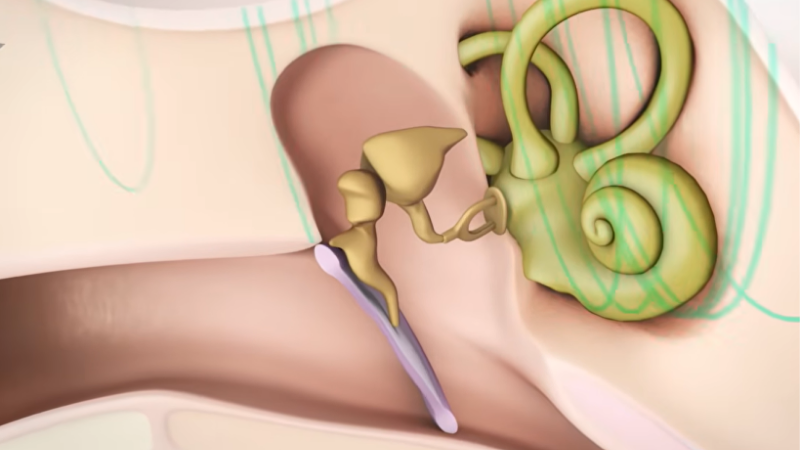
The fundamental divergence between hearing aids and hearing implants lies in their operational mechanisms and the segments of the auditory system they address. Conventional hearing aids function by amplifying ambient sounds, which are then channeled through the ear canal to the eardrum and subsequently processed by the middle and inner ear. This method is effective for individuals whose hearing loss stems from issues within the outer or middle ear, or for mild to moderate sensorineural hearing loss where the cochlea and auditory nerve retain sufficient function to interpret amplified signals.
Hearing implants, however, are engineered to circumvent specific points of dysfunction within the auditory pathway. For instance, cochlear implants bypass damaged hair cells in the cochlea, while bone conduction implants circumvent issues in the outer and middle ear by transmitting sound vibrations directly to the inner ear. Middle ear implants mechanically stimulate the ossicles, and auditory brainstem implants bypass the auditory nerve altogether to stimulate the brainstem directly. This direct intervention means they are not simply more powerful amplifiers; they are sophisticated devices that replace or bypass the function of specific auditory structures. The decision to pursue a hearing implant is often made when hearing aids no longer provide sufficient benefit or are not anatomically or physiologically suitable for the individual’s hearing loss profile.
Understanding the Landscape: Major Types of Hearing Implants

The field of hearing implants is not monolithic; rather, it encompasses several distinct technologies, each addressing specific types of hearing loss and anatomical considerations. A thorough audiological and medical evaluation is crucial in determining the most appropriate implant for an individual.
Cochlear Implants (CIs)
Cochlear implants (CIs) are the most widely recognized and utilized type of hearing implant. They are designed for individuals with severe to profound sensorineural hearing loss in one or both ears, where the hair cells within the cochlea are damaged and unable to transmit sound signals effectively to the auditory nerve.
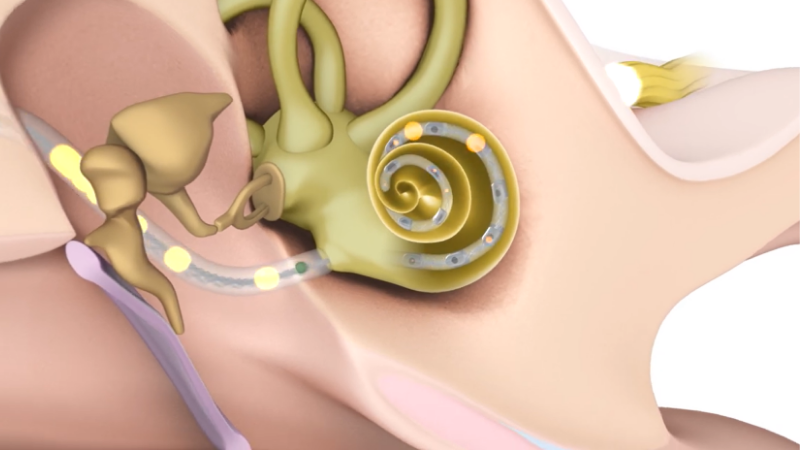
How They Work: A cochlear implant system comprises two main components: an internal implant surgically placed under the skin behind the ear, and an external audio processor. The external processor captures sound, converts it into digital signals, and transmits these signals wirelessly to the internal implant. The internal implant then converts these digital signals into electrical impulses, which are delivered directly to the cochlea via a thin electrode array surgically threaded into the cochlea. These electrical impulses stimulate the auditory nerve, which then sends signals to the brain, where they are interpreted as sound.
Who They May Help: CIs are primarily indicated for individuals who receive limited or no benefit from powerful hearing aids. This includes adults and children with congenital or acquired sensorineural hearing loss. The effectiveness of CIs is often influenced by factors such as the duration of hearing loss, the age at implantation (especially critical for children’s speech and language development), and the quality of post-operative rehabilitation.
Key Considerations: The process of receiving a cochlear implant is comprehensive, involving an initial evaluation to assess candidacy, followed by surgery. Post-surgery, there is a period of healing, after which the external processor is activated and programmed (fitted). Ongoing auditory rehabilitation, including speech therapy and practice, is crucial for maximizing the benefits of the implant. MED-EL’s commitment to providing a "closest to natural hearing" experience is reflected in their technological advancements, such as long electrode arrays designed to preserve the cochlea’s tonotopic organization, and sophisticated fitting strategies aimed at delivering a rich and nuanced auditory experience.
Bone Conduction Implants
Bone conduction implants offer a solution for hearing loss that affects the outer or middle ear, preventing sound from being effectively transmitted to the inner ear.
How They Work: Unlike conventional hearing aids that send sound through the ear canal, bone conduction implants transmit sound vibrations through the bones of the skull directly to the cochlea. This bypasses any obstructions or malfunctions in the outer and middle ear. The system typically involves a small, implantable component that is surgically placed under the skin and an external sound processor that attaches to the implant. When sound is processed by the external unit, it vibrates the implant, which in turn vibrates the skull bone, stimulating the inner ear.

Who They May Help: These implants are beneficial for individuals with conductive hearing loss, mixed hearing loss (a combination of conductive and sensorineural loss), or single-sided deafness (profound hearing loss in one ear with normal hearing in the other). They are particularly valuable for patients who cannot wear conventional hearing aids due to chronic ear infections, malformations of the ear canal or middle ear, or other conditions that preclude the use of canal-based devices.
Key Considerations: While some bone conduction systems are non-surgical hearing aids, implantable bone conduction devices offer a more permanent and robust solution. The surgical placement of the implant is a relatively minor procedure compared to cochlear implantation. It’s important to note that cochlear implants and bone conduction implants are designed for fundamentally different types of hearing loss and are not interchangeable.
Middle Ear Implants
Middle ear implants represent a less common but highly effective solution for certain types of hearing loss, particularly for individuals who do not benefit sufficiently from hearing aids or cannot tolerate them.
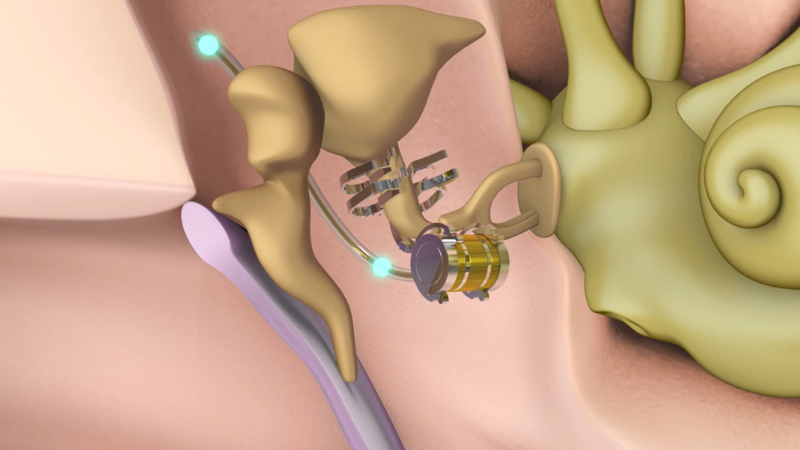
How They Work: Middle ear implants are designed to mechanically stimulate the structures of the middle ear, such as the ossicles (malleus, incus, stapes), or the round window of the cochlea. Unlike CIs that bypass the middle ear entirely, these implants work in conjunction with the existing middle ear structures, albeit by directly driving them rather than receiving sound vibrations from the eardrum. They can be active systems, where an implanted transducer drives the middle ear structures, or passive systems that engage with existing components.
Who They May Help: These implants can be considered for individuals with conductive, mixed, or even certain types of mild-to-severe sensorineural hearing loss. They are particularly well-suited for those who experience discomfort with hearing aids, have recurrent ear infections, or whose hearing loss profile makes them ideal candidates for stimulating the middle ear structures.
Key Considerations: The suitability for a middle ear implant depends on the specific anatomy and pathology of the individual’s middle ear. A detailed surgical and audiological assessment is required. These implants offer an alternative when conventional amplification is insufficient and a cochlear implant may not be the optimal solution.
Auditory Brainstem Implants (ABIs)
Auditory brainstem implants (ABIs) are a highly specialized and less common form of hearing implant reserved for very specific and rare cases.
How They Work: Instead of targeting the cochlea or auditory nerve, ABIs directly stimulate specific nuclei within the brainstem. This is achieved through an electrode array surgically placed on the brainstem surface. The external processor captures sound and converts it into electrical signals, which are then transmitted to the implanted device and delivered to the brainstem.
Who They May Help: ABIs are typically considered for individuals who have severe hearing loss and cannot benefit from cochlear implants because their auditory nerves are absent, damaged, or non-functional. This situation can arise due to congenital conditions, trauma, or surgical interventions, such as the removal of tumors like acoustic neuromas that affect the auditory nerve.
Key Considerations: Due to the direct brainstem stimulation, ABIs are a complex and highly specialized treatment. They are only recommended after extensive evaluation by a multidisciplinary team of neurosurgeons, otolaryngologists, and audiologists. The rehabilitation process for ABIs is also highly specialized and requires significant commitment.
The Path to Candidacy: Who is a Candidate for Hearing Implants?
Determining candidacy for a hearing implant is a multifaceted process that goes beyond simply assessing the degree of hearing loss. It involves a comprehensive evaluation of the individual’s overall health, hearing history, lifestyle, and communication goals.
General Candidacy Factors:
- Type and Severity of Hearing Loss: As outlined above, different implants are suited for different types and severities of hearing loss.
- Limited Benefit from Hearing Aids: For cochlear implants, a primary criterion is the lack of significant benefit derived from appropriately fitted and utilized hearing aids.
- Auditory Nerve Function: For CIs, the auditory nerve must be able to receive and transmit signals. For ABIs, the auditory nerve’s inability to function is the primary indication.
- Overall Health: The individual must be healthy enough to undergo surgery.
- Motivation and Commitment: A willingness to participate in the activation, fitting, and crucial rehabilitation process is essential for successful outcomes.
- Communication Goals: What does the individual hope to achieve with improved hearing? This influences the recommendation and expectations.
Evaluation Process:
To establish candidacy, a series of diagnostic tests are performed by a team of specialists:
- Comprehensive Audiological Evaluations: This includes pure-tone audiometry, speech audiometry, and specialized tests to assess the function of different parts of the auditory system.
- Medical Evaluation by an Otolaryngologist (ENT Specialist): This assesses the physical health of the ears and the suitability for surgery. Imaging studies such as CT scans or MRIs may be performed to visualize the anatomy of the ear and auditory pathways.
- Speech and Language Assessment: Particularly important for children, this evaluates their current communication abilities and potential for development with an implant.
- Psychological and Social Assessment: This helps ensure the individual and their support system are prepared for the commitment involved.
Age, duration of hearing loss, and previous communication methods (e.g., spoken language, sign language) are also important considerations that inform the treatment recommendations. Ultimately, only qualified audiologists and ENT specialists can definitively determine if a hearing implant is the appropriate solution.
The Surgical Journey and Beyond
The surgical procedure for implanting a hearing device varies significantly based on the type of implant. While the specifics are tailored to each patient, a general outline of the process can provide valuable insight.
Surgical Procedure Overview:
- Pre-operative Assessment: This includes the comprehensive evaluations mentioned above, finalizing surgical plans, and patient counseling.
- Anesthesia: The surgery is typically performed under general anesthesia.
- Implantation: This is the core surgical phase where the internal component of the hearing implant is meticulously placed. For cochlear implants, an electrode array is inserted into the cochlea. For bone conduction implants, the device is anchored to the bone. Middle ear implants are placed to interact with middle ear structures.
- Closure: The surgical site is closed, and the patient is moved to a recovery area.
Post-Surgery and Rehabilitation:
Following surgery, a recovery period is necessary. The timing for activation of the external processor varies by implant type and surgeon preference, but it typically occurs several weeks after surgery to allow for initial healing.
- Activation and Fitting: The external sound processor is activated, and the system is programmed to the individual’s specific hearing needs. This is an iterative process, often requiring multiple follow-up appointments to fine-tune the settings for optimal sound quality and speech understanding.
- Auditory Rehabilitation: This is a critical component of the treatment process, especially for cochlear implant users. It involves working with audiologists and speech therapists to learn to interpret the new sounds and improve communication skills. Rehabilitation can include speech therapy, auditory training exercises, and learning strategies for listening in various environments.
The success of a hearing implant is not solely dependent on the surgery but on a lifelong commitment to managing the device and engaging in rehabilitation.
The Transformative Benefits of Hearing Implants
The impact of successful hearing implant use can be profoundly life-changing, extending far beyond simply hearing sounds.
Potential Benefits:
- Improved Speech Understanding: For many, the most significant benefit is the ability to understand speech more clearly, even in challenging listening environments.
- Enhanced Communication: This leads to more meaningful interactions with family, friends, and colleagues.
- Increased Social Engagement: Greater confidence in communication can foster increased participation in social activities and reduce feelings of isolation.
- Improved Quality of Life: Access to sound can enrich daily experiences, from enjoying music and nature to better understanding safety cues.
- Support for Learning and Development: For children, early implantation and rehabilitation are crucial for developing spoken language, academic skills, and social integration.
- Reduced Tinnitus: Some individuals report a reduction in the perception of tinnitus (ringing in the ears) after receiving a hearing implant.
MED-EL’s focus on natural sound quality aims to maximize these benefits by developing technologies that mimic the natural functioning of the ear. Features such as automatic sound management, advanced noise reduction algorithms, and directional microphones help users navigate diverse soundscapes more effectively, enabling them to better understand speech in noisy situations, a common challenge for individuals with hearing loss.
Navigating the Decision: Choosing the Right Hearing Implant
The selection of the most appropriate hearing implant is a collaborative decision made between the patient and their hearing healthcare team. Several factors are carefully considered:
- Type and Degree of Hearing Loss: This is the primary determinant of which implant technology is suitable.
- Auditory Anatomy and Physiology: The physical condition of the ear and auditory pathways is crucial.
- Lifestyle and Communication Needs: The individual’s daily activities and communication goals play a significant role.
- Age and Developmental Stage: This is especially critical for pediatric candidates.
- Willingness and Ability to Engage in Rehabilitation: Consistent participation in therapy is key to maximizing outcomes.
Key Questions for Patients:
When consulting with audiologists and ENT specialists, patients are encouraged to ask pertinent questions to ensure an informed decision:
- What type of hearing loss do I have, and how does it affect my hearing?
- Which hearing implant technologies are most suitable for my specific needs?
- What are the potential benefits and risks associated with each option?
- What is the surgical procedure like, and what is the expected recovery time?
- What is the typical rehabilitation process, and what level of commitment is required?
- What are the long-term expectations for device performance and maintenance?
- How does the technology support understanding speech in noisy environments?
Frequently Asked Questions About Hearing Implants

Are hearing implants permanent?
Yes, the internal component of a hearing implant is designed for long-term use, often for many years. The external sound processor is removable and can be upgraded or replaced as technology advances.
Can children receive hearing implants?
Absolutely. Many children with severe hearing loss are excellent candidates for hearing implants. Early implantation is highly recommended to support critical speech, language, and cognitive development. Eligibility is determined through thorough medical and audiological evaluations.
Do hearing implants restore normal hearing?
No. Hearing implants do not restore hearing to its natural state. Instead, they provide access to sound by bypassing damaged auditory structures and stimulating the remaining functional parts of the hearing system. They enable many individuals to understand speech and communicate more effectively, but individual results vary.
How long does hearing implant surgery take?
The duration of surgery typically ranges from one to three hours, depending on the complexity of the implant type and the individual patient’s anatomy. Most procedures are performed under general anesthesia, and patients often return home the same day or after a brief hospital stay.
Can you have an MRI with a hearing implant?
Yes, many modern hearing implants are designed to be MRI compatible under specific conditions. The safety and protocol for MRI scans depend on the specific implant model and the strength of the MRI scanner’s magnetic field. It is imperative to inform healthcare providers and imaging teams about the presence of a hearing implant before any MRI procedure.
Conclusion: Empowering Auditory Futures
Hearing implants represent a remarkable testament to human innovation in addressing profound hearing challenges. By offering diverse technological solutions—from cochlear implants stimulating the inner ear to auditory brainstem implants bypassing the auditory nerve entirely—these devices empower individuals to reconnect with the world of sound. The journey from diagnosis to successful rehabilitation requires a dedicated team of specialists and a committed patient, but the potential rewards—enhanced communication, greater social engagement, and an improved overall quality of life—are substantial. For those who find conventional hearing aids insufficient, exploring the world of hearing implants offers a pathway to a richer, more connected auditory experience.