The Scope of the Current Heat Event
The National Weather Service (NWS) has characterized the current weather pattern as a significant threat to public health, particularly for those engaged in labor-intensive outdoor activities. While coastal cities are feeling the heat, the most intense impacts are centered in the valleys and inland basins. Beyond Southern California, the heat wave has expanded its reach into the Bay Area, parts of interior Monterey County, and the agricultural hubs of the Sacramento and San Joaquin valleys. In these regions, residents and workers are facing daily highs ranging from 94 to 103 degrees.
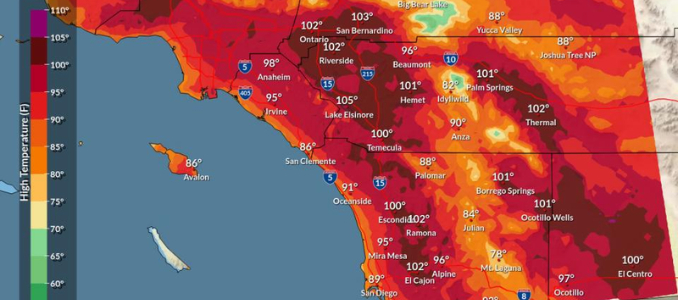
This October heat event is particularly concerning for labor advocates because it arrives at a time of year when many employers may have begun to relax the rigorous summer-season protocols. However, Cal/OSHA’s regulations are not seasonal; they are triggered by specific temperature thresholds regardless of the calendar month. The persistence of these high temperatures, combined with the lack of overnight cooling in many of the affected zones, creates a cumulative physiological stressor for workers, increasing the risk of heat exhaustion, heat cramps, and the life-threatening condition of heat stroke.
Regulatory Thresholds and Employer Obligations
Under California law, the requirements for heat-illness prevention are divided between outdoor and indoor workplaces, with specific triggers defined by the thermometer. For outdoor workers, the fundamental protections—which include access to fresh, cool water, mandatory rest periods, and the provision of adequate shade—must be implemented as soon as the temperature exceeds 80 degrees.
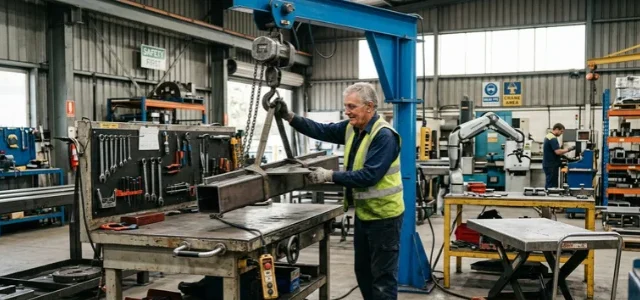
The threshold for indoor workplaces is set at 82 degrees. Once temperatures reach or exceed this level, employers are required to take proactive measures to ensure the health and safety of their staff. These measures include implementing effective cooling systems, ensuring adequate ventilation, and providing cool-down areas where employees can retreat if they begin to experience symptoms of heat stress.

Beyond the basic requirements, Cal/OSHA imposes "high-heat procedures" for specific high-risk industries once temperatures hit 95 degrees or higher. Industries subject to these heightened scrutiny protocols include:
- Agriculture and agricultural transportation
- Construction and heavy materials handling
- Landscaping
- Oil and gas extraction
When the 95-degree mark is reached, employers in these sectors are legally obligated to engage in active monitoring. This involves consistent observation of workers for early signs of heat-related illness, the maintenance of effective communication systems—such as radio or cellular contact—to ensure that help can be summoned immediately, and the implementation of a "buddy system" to ensure that no worker is left unattended while experiencing symptoms of distress.
Historical Context and Legal Evolution
California has long been a pioneer in workplace heat safety, establishing some of the most stringent regulations in the United States. These standards were born out of a history of preventable workplace fatalities and the growing realization that climate change is increasing the frequency and severity of heat-related emergencies.

The legal framework has evolved significantly over the past two decades. The initial standards were focused primarily on agricultural workers, who are disproportionately affected by the state’s extreme temperatures. However, as the state experienced consecutive years of record-breaking heat, the scope of these rules was expanded to include a wider range of industries, including indoor environments like warehouses and logistics centers, where heat can become trapped and stagnant.
The inclusion of indoor heat regulations, a relatively recent development in the regulatory landscape, reflects the changing nature of the California economy. As the state moves away from purely agricultural labor, the risks have shifted toward warehouse employees, delivery drivers, and workers in manufacturing facilities that lack industrial-grade climate control. By setting the 82-degree threshold, Cal/OSHA has signaled that the right to a safe work environment is universal, whether the heat source is the sun or the ambient temperature of a factory floor.
The Mechanics of Heat Illness: A Public Health Perspective
Medical experts emphasize that heat illness is a progressive condition. It often begins with dehydration and heat cramps, which, if ignored, can rapidly transition into heat exhaustion—characterized by heavy sweating, dizziness, and nausea—and eventually into heat stroke. Heat stroke is a medical emergency that can lead to permanent organ damage or death.

The danger of the current 107-degree forecast lies in the speed at which a worker’s core body temperature can rise. When the ambient temperature nears or exceeds body temperature, the body’s primary cooling mechanism—evaporating sweat—becomes less effective, particularly in areas with high humidity or when personal protective equipment (PPE) prevents air circulation.
In response, safety professionals recommend that employers prioritize "acclimatization." Even in a hot climate, workers who are not used to high-heat conditions are at a significantly higher risk. Employers are advised to allow newer employees or those returning from a break to gradually increase their workload and exposure to heat, rather than throwing them into full-day shifts during the peak of an heat wave.
Implications for Business Operations and Compliance
The economic implications for businesses are significant. Non-compliance with Cal/OSHA standards can lead to substantial financial penalties, increased workers’ compensation claims, and potential litigation. More importantly, the reputational damage and the loss of productivity resulting from workplace incidents can far outweigh the cost of implementing basic heat safety measures.
Effective compliance, according to labor experts, requires a shift in organizational culture. It is not sufficient to simply have a written plan; the plan must be a living document that is communicated clearly to every level of the workforce. This includes training supervisors to recognize the signs of heat stress in their subordinates, often before the employees themselves realize they are in danger.
Furthermore, the requirement for "written prevention plans" implies that employers must have a site-specific strategy. A construction site in the San Joaquin Valley faces different challenges than a warehouse in the Inland Empire. Consequently, safety plans must account for site-specific factors such as physical exertion levels, access to water sources, and the proximity of emergency medical services.
Future Challenges and Climate Resilience
As California faces a future of increasingly erratic weather patterns, the burden on both employers and regulatory bodies is expected to grow. The current heat wave, occurring in October, serves as a stark reminder that the traditional "heat season" is expanding.

The state’s reliance on these heat rules will likely remain a centerpiece of occupational safety policy. There is ongoing discussion regarding how to further refine these standards to address "urban heat islands"—areas in dense, paved cities that retain heat long after the sun goes down, creating overnight hazards for night-shift workers.
For now, the mandate remains clear: as the thermometer climbs, the safety net must be tightened. Employers who fail to provide the mandated water, shade, and rest during this week’s extreme temperatures face not only the scrutiny of inspectors but the moral and legal responsibility for the lives of their workers. With the heat wave expected to persist through the end of the week, the coming days will serve as a critical test for the efficacy of California’s heat-illness prevention programs. The state continues to urge all workers to prioritize their own safety, report unsafe working conditions, and utilize the resources provided by their employers to mitigate the risks of this dangerous weather event.