
The Auditory Pathway: A Foundation for Understanding
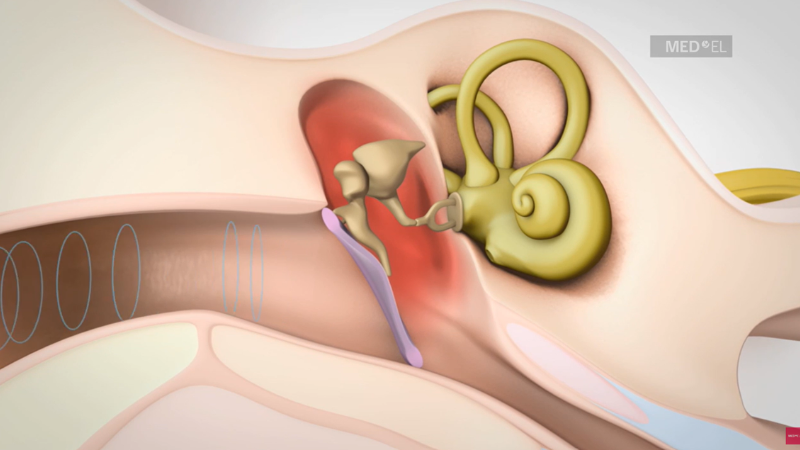
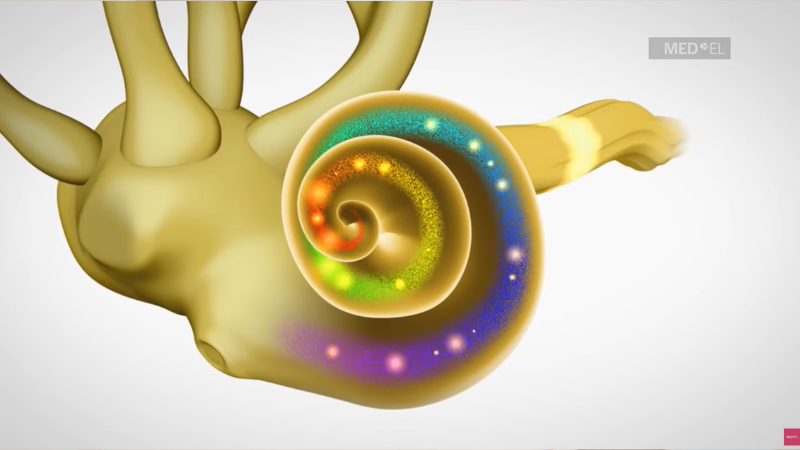
To fully grasp the nuances of these two types of hearing loss, it is beneficial to understand the journey sound takes from the environment to our brains. Sound waves first enter the ear canal (outer ear) and vibrate the eardrum. These vibrations are then amplified by the tiny bones in the middle ear – the malleus, incus, and stapes – and transmitted to the oval window, an opening to the inner ear. Within the cochlea, a fluid-filled, snail-shaped structure in the inner ear, these vibrations stimulate thousands of microscopic hair cells. These hair cells convert the mechanical energy of sound into electrical signals. These signals are then relayed to the brain via the auditory nerve, where they are interpreted as sound.
Conductive hearing loss disrupts this process at any point from the ear canal to the middle ear structures. Sensorineural hearing loss impacts the delicate hair cells within the cochlea or the nerve pathways responsible for transmitting auditory information to the brain.

Conductive vs. Sensorineural Hearing Loss: A Comparative Overview
| Feature | Conductive Hearing Loss | Sensorineural Hearing Loss |
|---|---|---|
| Location | Outer ear or middle ear | Inner ear (cochlea) or auditory nerve |
| Mechanism | Impediment to sound transmission | Impairment of sound transduction and/or neural transmission |
| Common Causes | Earwax impaction, middle ear infections (otitis media), fluid buildup (serous otitis media), perforated eardrum, otosclerosis, foreign objects. | Aging (presbycusis), prolonged exposure to loud noise, genetic factors, viral infections (e.g., measles, mumps), Meniere’s disease, ototoxic medications, acoustic neuroma. |
| Sound Perception | Muffled, quiet, or feeling of blockage; sounds may seem distant. | Reduced loudness and clarity; difficulty distinguishing speech, especially in noisy environments; certain frequencies may be harder to perceive. |
| Duration | Often temporary and reversible, depending on the underlying cause. | Typically permanent and irreversible, though management strategies exist. |
| Treatment Avenues | Medical or surgical intervention to address the blockage or abnormality, hearing aids, bone conduction devices. | Hearing aids, cochlear implants, auditory brainstem implants, assistive listening devices, speech therapy. |
Delving Deeper: Understanding Conductive Hearing Loss
Conductive hearing loss arises when sound waves encounter an obstacle or a mechanical issue that prevents them from efficiently traveling through the outer or middle ear to reach the inner ear. This can be likened to trying to hear a sound through a thick wall; the sound is there, but its transmission is significantly hampered.
Common Causes and Manifestations:
- Earwax Buildup: An accumulation of earwax can physically block the ear canal, muffling sounds. This is a common and easily treatable cause.
- Middle Ear Infections (Otitis Media): Infections in the middle ear can lead to fluid accumulation behind the eardrum. This fluid dampens vibrations, resulting in temporary hearing loss. In children, recurrent ear infections are a significant concern.
- Perforated Eardrum: A hole or tear in the eardrum, often caused by injury or infection, can impair its ability to vibrate properly and transmit sound.
- Otosclerosis: This is a condition where abnormal bone growth in the middle ear affects the mobility of the stapes, one of the ossicles, hindering sound transmission.
- Eustachian Tube Dysfunction: The Eustachian tube connects the middle ear to the back of the throat and helps equalize pressure. If it becomes blocked, it can lead to fluid buildup and hearing loss.
What it May Sound Like: Individuals experiencing conductive hearing loss often describe sounds as being muffled, quiet, or as if their ears are plugged, similar to the sensation of being underwater. They may hear speech, but it lacks clarity and intelligibility.
Reversibility: The crucial characteristic of conductive hearing loss is its potential for reversibility. Many of its causes, such as earwax impaction or middle ear infections, can be treated with medical intervention or minor surgical procedures, restoring hearing to normal levels. However, if the underlying cause is not addressed, or if it involves structural damage, the hearing loss can persist.

Exploring Sensorineural Hearing Loss
Sensorineural hearing loss (SNHL) represents damage to the inner ear’s sensory receptors (hair cells) or the auditory nerve, which are responsible for converting sound vibrations into electrical signals and transmitting them to the brain. Unlike conductive hearing loss, SNHL is typically permanent because the delicate structures involved are not capable of regenerating.
Common Causes and Manifestations:
- Aging (Presbycusis): This is the most prevalent cause of SNHL. As individuals age, the hair cells in the cochlea gradually degenerate, leading to a progressive decline in hearing, often affecting higher frequencies first. Data from the World Health Organization (WHO) indicates that approximately one-third of people aged between 65 and 74 have disabling hearing loss, and this proportion rises to almost half of those aged 75 and above.
- Noise-Induced Hearing Loss (NIHL): Prolonged or intense exposure to loud noises, whether from occupational settings (e.g., construction, manufacturing), recreational activities (e.g., concerts, shooting), or military service, can damage the hair cells in the cochlea. The CDC estimates that about 12.5% of Americans aged 6 years or older have hearing loss attributable to loud noise exposure.
- Genetics: Hereditary factors play a significant role in SNHL, with many individuals inheriting a predisposition to hearing loss that may manifest later in life.
- Ototoxic Medications: Certain medications, including some antibiotics (e.g., aminoglycosides), chemotherapy drugs (e.g., cisplatin), and high doses of aspirin, can damage the inner ear and lead to SNHL.
- Illnesses: Viral infections like meningitis, measles, and mumps can damage the auditory nerve or cochlea.
- Meniere’s Disease: This inner ear disorder can cause fluctuating hearing loss, vertigo, and tinnitus.
- Acoustic Neuroma: A non-cancerous tumor that grows on the auditory nerve can compress the nerve, leading to hearing loss, tinnitus, and balance problems.
What it May Sound Like: SNHL often affects both the loudness and the clarity of sounds. Speech may sound quieter, distorted, or indistinct. Individuals might struggle to understand conversations, particularly in noisy environments, as specific frequencies essential for speech comprehension may be lost. The ability to discern consonant sounds, which are typically higher in pitch, is often compromised. This can lead to difficulties in group settings, telephone conversations, and understanding rapid speech.
Irreversibility and Management: The permanent nature of SNHL means that the focus shifts from cure to management. While the damage cannot be reversed, various technologies and strategies can significantly improve hearing and quality of life.
The Complexities of Mixed Hearing Loss
It is important to note that a person can experience both conductive and sensorineural hearing loss simultaneously. This condition is termed mixed hearing loss. This scenario is not uncommon, particularly among older adults or individuals with chronic ear conditions. For instance, an elderly person might have age-related SNHL and also develop a middle ear infection causing a conductive component. Treatment for mixed hearing loss requires addressing both the conductive and sensorineural aspects to achieve the best possible outcome.
Diagnosing Hearing Loss: The Role of Professional Assessment
While individuals may recognize that their hearing has changed, it is often impossible to determine the specific type of hearing loss solely based on symptoms. A thorough diagnostic evaluation by a qualified healthcare professional, such as an audiologist or an otolaryngologist (ENT specialist), is essential.
Diagnostic Tools and Procedures:
- Audiometry: This is the primary method for assessing hearing. It involves a series of tests to measure hearing sensitivity across different frequencies and at various loudness levels.
- Pure-tone audiometry measures the softest sounds a person can hear at different pitches.
- Speech audiometry assesses the ability to understand spoken words at different volumes.
- Tympanometry: This test measures the mobility of the eardrum and the pressure in the middle ear, helping to identify problems in the middle ear that could cause conductive hearing loss.
- Acoustic Reflex Testing: This assesses the function of the middle ear muscles and the auditory nerve.
- Otoacoustic Emissions (OAEs): These tests measure the response of the inner ear hair cells to sound. A lack of OAEs can indicate SNHL.
- Auditory Brainstem Response (ABR): This test measures the electrical activity in the auditory nerve and brainstem in response to sound, helping to identify nerve pathway issues.
- Imaging Studies: In cases where tumors or structural abnormalities are suspected, MRI or CT scans may be ordered.
An initial online hearing test can serve as a useful preliminary screening tool, prompting individuals to seek professional evaluation if concerns arise. However, it cannot replace a comprehensive in-office assessment.
Treatment Pathways: Tailoring Interventions to the Type of Hearing Loss
The treatment strategy for hearing loss is intricately linked to its type, cause, and severity.
Treating Conductive Hearing Loss:
The primary goal is to restore sound transmission.
- Medical Management: For earwax impaction, professional cleaning of the ear canal is effective.
- Surgical Interventions:
- Myringoplasty/Tympanoplasty: Surgical repair of a perforated eardrum.
- Stapedectomy/Stapedotomy: Procedures to address otosclerosis by removing or altering the stapes bone.
- Ventilation Tubes (Grommets): Insertion of small tubes into the eardrum to ventilate the middle ear and drain fluid in cases of recurrent otitis media or Eustachian tube dysfunction.
- Assistive Devices: If hearing loss persists after medical or surgical treatment, or if surgery is not an option, hearing aids or bone conduction devices (such as the Baha system) can help bypass the outer and middle ear to deliver sound directly to the inner ear.
Treating Sensorineural Hearing Loss:
Given its permanent nature, management focuses on amplifying sound and improving auditory processing.
- Hearing Aids: These electronic devices amplify sounds, making them louder and clearer for individuals with mild to severe SNHL. Modern hearing aids are sophisticated, offering features like noise reduction and directional microphones to enhance listening in challenging environments. The global hearing aid market is substantial, with projections indicating continued growth due to an aging population and increasing awareness of hearing health.
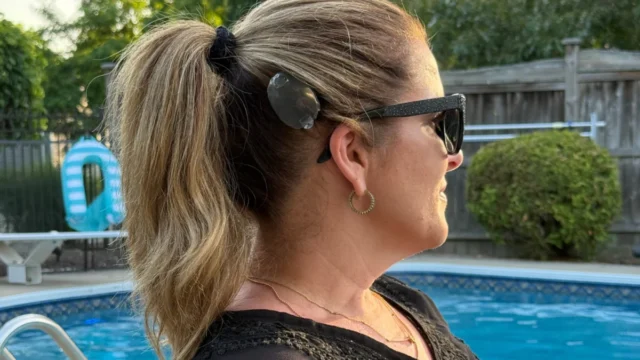
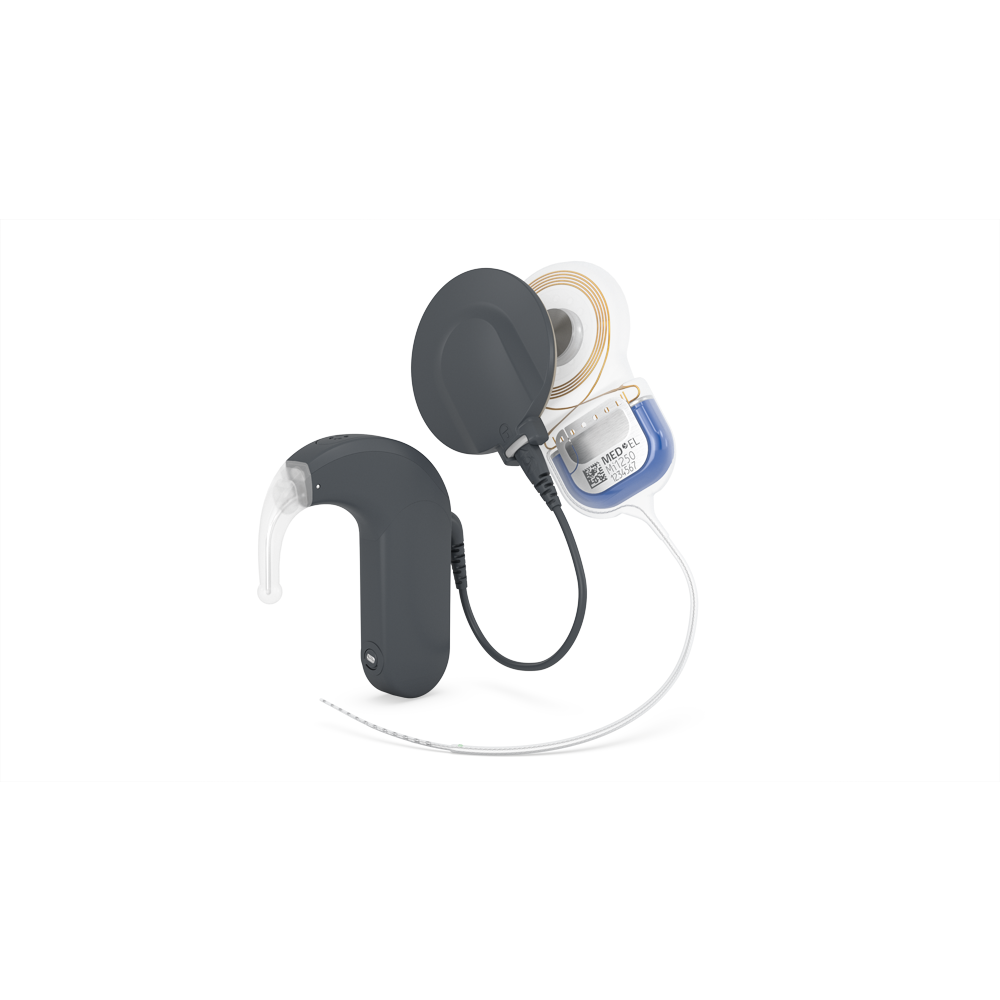
- Cochlear Implants: For individuals with severe to profound SNHL who do not benefit sufficiently from hearing aids, cochlear implants are a transformative solution. These surgically implanted devices bypass damaged hair cells and directly stimulate the auditory nerve, providing a sense of sound. MED-EL is a leading provider of cochlear implant technology, with a long history of innovation in the field.
- Auditory Brainstem Implants (ABIs): In rare cases where the auditory nerve is severely damaged or absent, ABIs can be implanted to directly stimulate the brainstem.
- Assistive Listening Devices (ALDs): These devices, such as FM systems, telecoils, and amplified telephones, can further enhance communication in specific situations.
The Broader Impact and Implications of Hearing Loss
Hearing loss, regardless of its type, can have profound implications on an individual’s life, impacting social interaction, cognitive function, emotional well-being, and overall quality of life. The World Health Organization estimates that untreated hearing loss costs the global economy billions of dollars annually in lost productivity and healthcare expenses.
Early detection and intervention are crucial. The longer an individual waits to address hearing loss, the more significant the impact can be on their ability to communicate and engage with the world around them. Furthermore, untreated hearing loss has been linked to an increased risk of cognitive decline, dementia, depression, and social isolation.
Taking Action for Better Hearing Health
Understanding the differences between conductive and sensorineural hearing loss empowers individuals to seek appropriate medical attention. If you are experiencing any changes in your hearing, such as muffled sounds, difficulty understanding speech, ringing in your ears (tinnitus), or a feeling of fullness in your ear, it is imperative to consult a healthcare professional. A timely and accurate diagnosis is the first step toward effective management and preserving your auditory health.

MED-EL, as a pioneer in hearing implant technology, emphasizes the importance of comprehensive audiological care and provides resources for individuals seeking to understand their hearing health better. Early intervention not only addresses immediate communication challenges but also contributes to long-term cognitive and emotional well-being.
Dr. Yi Ge, a Senior Manager of Medical Affairs at MED-EL, highlights, "Our mission at MED-EL is to help people with hearing loss overcome their challenges and reconnect with the world. Understanding the specific type of hearing loss is fundamental to providing the most effective and personalized solutions. We advocate for proactive hearing health management, encouraging individuals to seek professional guidance at the earliest signs of hearing impairment."
In conclusion, while both conductive and sensorineural hearing loss impede the ability to hear, their origins, mechanisms, and treatment approaches are distinct. Recognizing these differences is vital for accurate diagnosis, effective management, and ultimately, for improving the lives of those affected by hearing impairment.