A Candid Assessment of Organizational Infrastructure
For decades, the NAD has maintained a formidable reputation as the leading advocate for American Sign Language (ASL) rights and deaf equality. However, Kiego’s first month on the job revealed a stark contrast between the organization’s high-profile advocacy work and its lean operational infrastructure. During the interview, Kiego disclosed that the NAD headquarters functions with a remarkably small staff of only six full-time employees, including himself.
This revelation highlights a significant discrepancy between public perception—which often assumes a large, resource-rich national institution—and the reality of a small team managing complex national policy, legal advocacy, and youth development. Kiego noted that this team has functioned for several years with limited resources, often operating without sufficient recognition for their output. By bringing this to light early in his tenure, Kiego is attempting to reset expectations and foster a culture of realistic collaboration between the organization and its membership.
Chronology of the First 30 Days: A Focus on Financial Stability
Kiego’s first month was characterized by an intensive internal audit of organizational health. His approach to the transition has followed a structured, priority-based methodology:
- Days 1–3: Financial Deep Dive. Kiego’s primary action was an immersive review of the NAD’s fiscal health with the Chief Financial Officer (CFO) and accounting team. He identified financial stabilization as the bedrock upon which all other organizational goals must rest.
- Weeks 1–2: Departmental Audits. Kiego held extended one-on-one sessions with the directors of the Legal Advocacy Center and the Youth Programs. These sessions were designed to document the recent history of these programs, identify critical bottlenecks, and establish a baseline for future resource allocation.
- Weeks 3–4: External Stakeholder Integration. Following internal stabilization, Kiego began meeting with key external partners, including the Deaf and Hard of Hearing Consumer Advocacy Network (DHHCAN) and Telecommunications for the Deaf and Hard of Hearing, Inc. (TDI), to align the NAD’s advocacy priorities with its industry partners.
Immediate Operational Wins and Strategic Shifts
Despite the systemic challenges, Kiego reported several "fast wins" that have already been implemented to improve day-to-day operations. Recognizing that the organization’s digital footprint was suffering from technical neglect, he successfully onboarded a new webmaster and IT systems administrator to rectify broken links and improve the functionality of the NAD website.
Furthermore, in a move to bolster the Youth Program—a vital pipeline for the organization’s future—Kiego and the Youth Programs Director, Claudia, secured a volunteer grant writer specifically tasked with sourcing new funding streams for youth-focused initiatives. This reliance on volunteerism is not merely a stopgap measure; it is a fundamental component of Kiego’s strategy to expand the NAD’s "people power" in the absence of a large hiring budget.
The Role of the Jr. NAD in Organizational Development
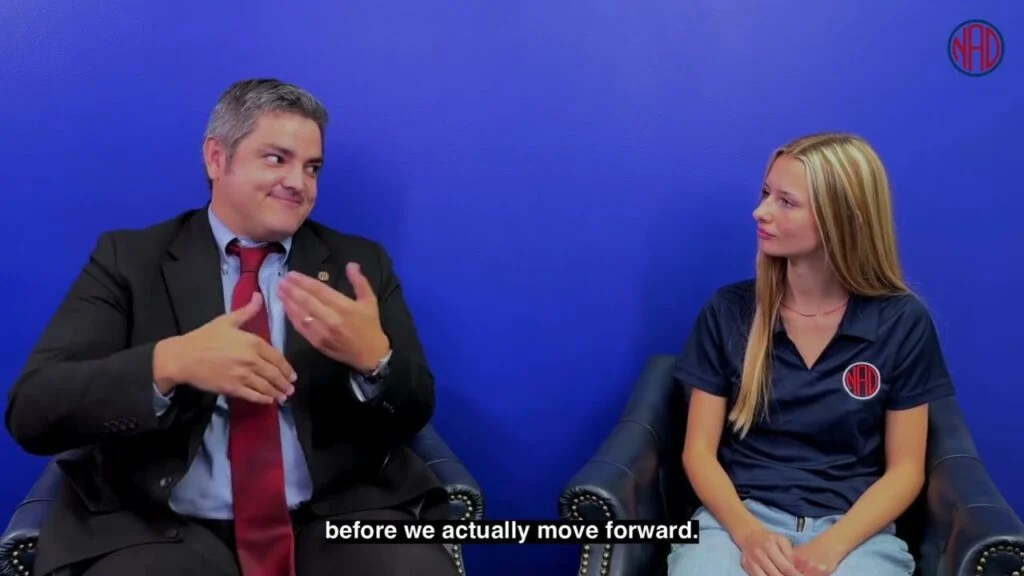
The conversation with Marisa Goff shifted significantly toward the future of deaf youth engagement. The Jr. NAD Ambassador provided critical feedback, noting that current youth members often feel disconnected from the national organization. Goff emphasized that while the NAD holds significant prestige, the lack of visible, consistent collaboration with local chapters has led to a sense of exclusion among younger generations.
Kiego expressed a strong commitment to bridging this divide, acknowledging that the organization’s long-term loyalty is built during an individual’s formative years. The two discussed a shift in how the NAD utilizes digital media. Kiego proposed a "window-and-door" strategy: using social media as a digital window to showcase the organization’s value, while keeping the primary goal focused on drawing youth into the "house" of the NAD through physical attendance at conferences and regional events.
The Call for Community Support: A New Covenant
The most significant takeaway from the interview is Kiego’s explicit call for a new, collaborative relationship with the deaf community. He articulated a three-pronged request:
- Grace and Patience: Kiego requested that stakeholders recognize that systemic improvements will not occur overnight. He warned that the organization might need to take "a few steps backward" in the short term to ensure long-term, structural sustainability.
- Volunteer Expertise: Due to current budgetary constraints, the NAD is actively soliciting professional support from retired legal experts, policy advocates, and communications professionals. Kiego noted that he is currently managing administrative tasks—such as responding to individual membership inquiries—that would ideally be handled by a dedicated communications staff.
- Active Participation: Kiego urged the community to move beyond critique and toward active, collaborative participation. He acknowledged that many past criticisms of the NAD were valid but emphasized that without a influx of human and financial capital, the organization’s ability to address these concerns remains hampered.
Broader Implications for Deaf Advocacy
The transparency displayed by the new CEO suggests a strategic pivot toward an "open-book" management style. In the context of national civil rights advocacy, this approach is designed to rebuild trust. By inviting a Jr. NAD Ambassador to interview him, Kiego is signaling that the next generation of deaf leadership will have a seat at the table.
This shift is not without its risks. By admitting to the organization’s lean staffing and financial limitations, Kiego has set a high bar for his own performance. However, historical analyses of non-profit turnarounds suggest that organizations often gain more leverage by acknowledging their limitations than by attempting to maintain an illusion of grandeur. The NAD’s ability to mobilize its community base will likely serve as the primary indicator of its success over the next two years.
As the organization moves into the 2026–2027 term, the focus will remain on stabilizing core legal and policy work while simultaneously building a robust volunteer network. Whether the community will respond to this call to action remains to be seen, but the initial dialogue between Kiego and Goff establishes a clear precedent: the future of the NAD will be defined by its ability to evolve through transparency, collaborative action, and an intentional commitment to nurturing the next generation of leaders. The alignment of the CEO’s administrative goals with the grassroots energy of the Jr. NAD suggests a renewed, if challenging, path toward reclaiming the organization’s influence as a central pillar of the deaf experience in America.