The Historical Context and Significance of International Book Day
International Book Day, established by UNESCO in 1995, commemorates the anniversary of the deaths of William Shakespeare, Miguel de Cervantes, and Inca Garcilaso de la Vega. For the AAC community, the date serves as a poignant reminder of the power of language—not merely as a tool for storytelling, but as a fundamental human right. Individuals with complex communication needs (CCN) often face systemic barriers to literacy, as their access to literature is frequently mediated by the availability of specialized communication tools and the clinical expertise of those around them. By focusing on the dissemination of AAC-related literature, advocates are repositioning the book as an essential, rather than peripheral, instrument for intervention.
Chronology of AAC Resource Development in Spanish
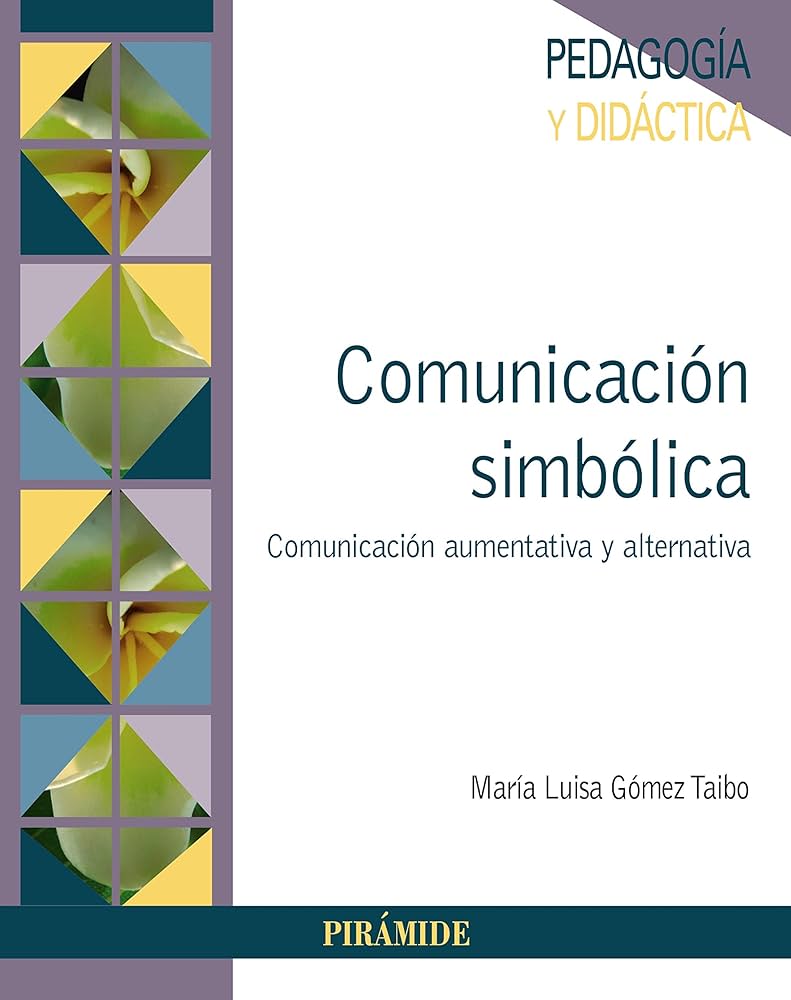
The landscape of AAC resources in Spanish has undergone a significant transformation over the past two decades. The progression can be categorized into three distinct phases:
- The Foundational Phase (1990–2005): During this period, the majority of AAC knowledge was restricted to English-language journals and textbooks. Spanish-speaking clinicians often relied on ad-hoc translations or sparse, localized manuals that lacked the depth of evidence-based research emerging from North American and European universities.
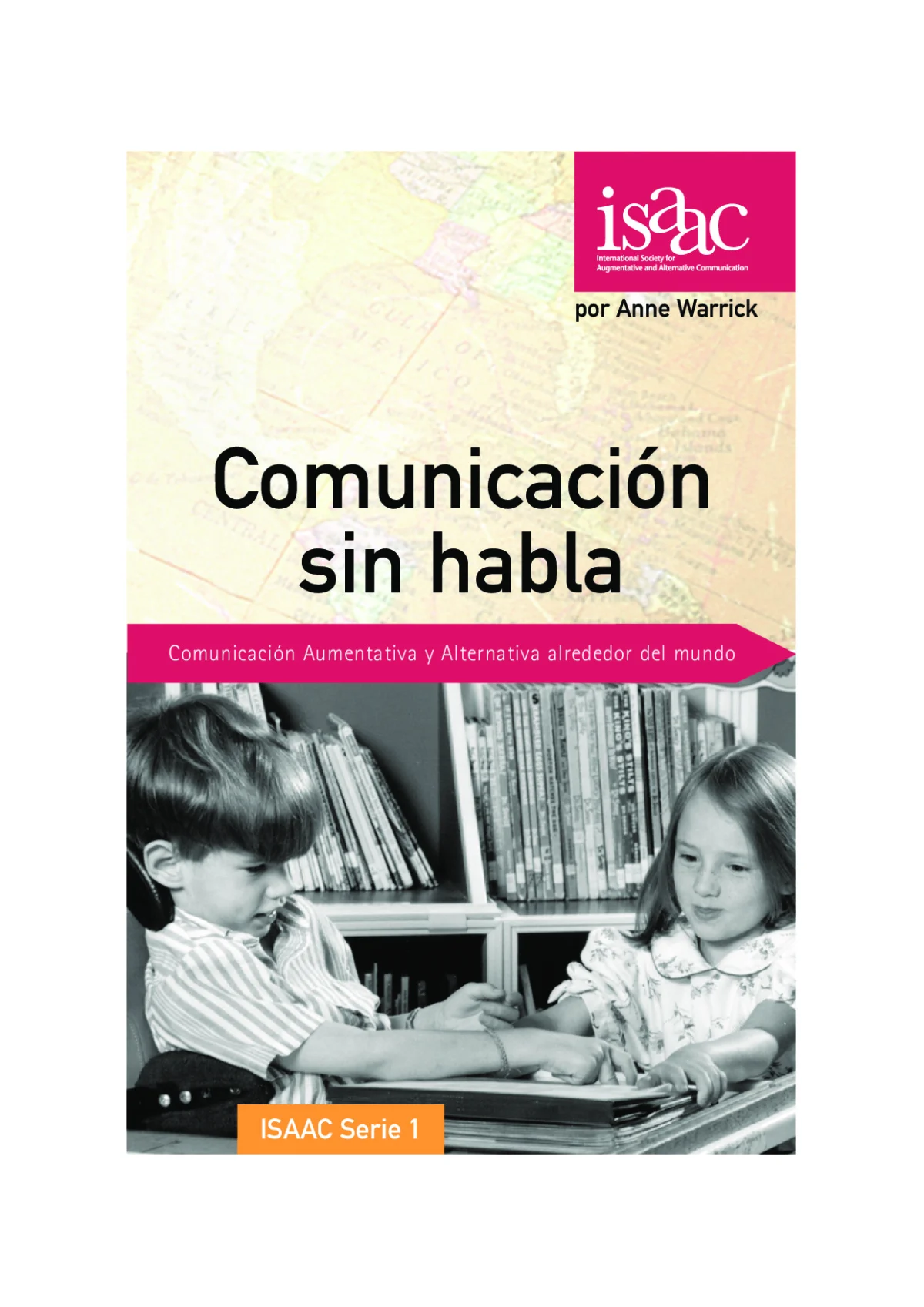
- The Institutional Advocacy Phase (2006–2018): Organizations such as the International Society for Augmentative and Alternative Communication (ISAAC) began to prioritize international reach. This era saw the emergence of collaborative translation projects, where international consensus papers and basic introductory texts were made accessible to Spanish-speaking practitioners.
- The Professionalization Phase (2019–Present): This current era is defined by the publication of comprehensive academic volumes translated or authored specifically for the Spanish-speaking world. The inclusion of works like those by Stephen von Tetzchner, Harald Martinsen, and Kristine Stadskleiv marks a shift from introductory guides to robust, comprehensive clinical frameworks.
Data and Trends: The Need for Translated Materials
The demand for these resources is driven by a demographic reality: according to the World Health Organization (WHO), over 1 billion people live with some form of disability, with a significant percentage experiencing speech and language impairments that necessitate AAC intervention. In Latin America and Spain, the ratio of speech-language professionals to the population remains lower than in many English-speaking counterparts, making self-directed learning and professional development through literature vital.
Current market research indicates that the "AAC literacy gap" is not merely a lack of desire, but a lack of specialized vocabulary. In professional settings, the absence of standardized Spanish terminology for complex clinical concepts has often led to fragmented care. The introduction of peer-reviewed, translated literature provides a standardized lexicon, allowing for more consistent evaluation and intervention outcomes across different geographical regions.
Analysis of Key Academic Contributions
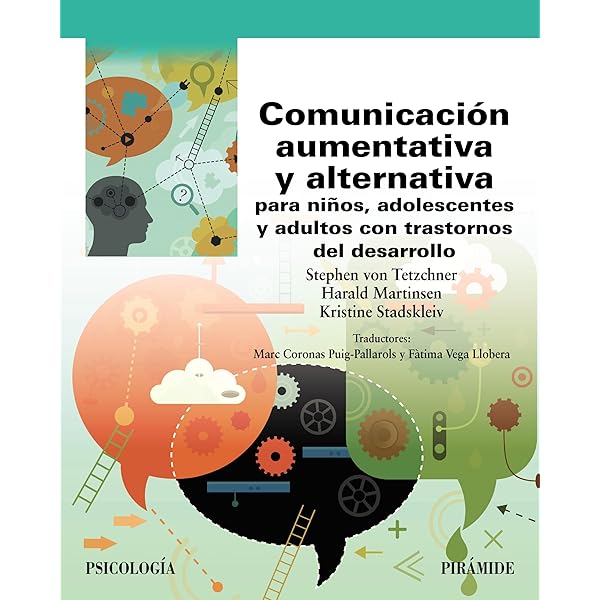
A pivotal moment in the accessibility of this information is the availability of the text, Comunicación aumentativa y alternativa para niños, adolescentes y adultos con trastornos del desarrollo. This volume serves as a nexus for theory and practice. By synthesizing decades of research on developmental disorders, the authors provide a structural blueprint for practitioners who may not have access to formal, university-level AAC certification programs.
The analysis of this text reveals several critical implications for the field:
- Evidence-Based Practice (EBP): The movement toward standardized Spanish texts minimizes the reliance on anecdotal or outdated methods, ensuring that the intervention provided is aligned with current global research standards.
- Clinical Versatility: By covering the lifespan—from childhood to adulthood—the text provides a longitudinal perspective, which is essential for managing the changing communication needs of individuals with chronic developmental conditions.
- Capacity Building: For educators and families, having access to high-level theory in their native language empowers them to act as co-therapists, a factor widely recognized as a key indicator of long-term success in AAC outcomes.
Official Responses and Industry Impact
While individual authors and researchers lead the intellectual charge, the role of professional bodies cannot be overstated. ISAAC and other regional associations have signaled a shift in strategy, focusing on "linguistic equity." The consensus among global stakeholders is that the future of AAC is inherently multilingual. A professional who cannot access the latest research in their primary language is effectively working with a handicap, a sentiment that has galvanized translation initiatives globally.

"The goal," as noted by advocates like Marimón, "is not simply to translate words, but to translate culture and context." Practitioners in Spain face different systemic challenges than those in rural Mexico or urban Argentina. The new generation of AAC literature is beginning to account for these cultural nuances, suggesting that the field is moving toward a more sophisticated, localized model of service delivery.
Broader Implications for Inclusive Education
The implications of this shift extend well beyond the therapist’s office. The proliferation of accessible, evidence-based AAC literature supports the integration of students with complex communication needs into mainstream classrooms. When teachers and school staff have access to professional literature on how to implement AAC, they are better equipped to create inclusive environments.
Furthermore, this movement has broader socio-economic impacts. Enhanced communication leads to greater academic achievement, which correlates with higher employment rates for adults with disabilities. By investing in the dissemination of knowledge, the AAC community is indirectly contributing to the societal inclusion of marginalized populations.
Future Outlook
The path forward involves several key objectives:
- Digitization: Moving beyond print media to include e-books and open-access journals that are affordable and easily distributable across borders.
- Collaboration: Encouraging joint research initiatives between universities in Spain and Latin America to ensure that future publications reflect the specific cultural and linguistic needs of Spanish speakers.
- Public Awareness: Using milestones like International Book Day to bridge the gap between clinical professionals and the general public, demystifying the technology and methods involved in AAC.
In conclusion, the effort to translate and disseminate AAC knowledge is a critical component of the global movement for disability rights. By transforming the way information is shared, the community is not only celebrating the history of the written word but is actively rewriting the future for millions of individuals who rely on alternative communication to engage with the world. As these resources become more widely available, the standard of care for individuals with communication disorders is expected to rise, creating a more informed, inclusive, and effective clinical landscape across the Spanish-speaking world. The legacy of International Book Day, in this context, becomes a living, evolving testament to the necessity of universal communication.