
The Strategic Shift: Moving Beyond Traditional Metrics
For decades, workplace safety performance has been primarily measured through Total Recordable Incident Rates (TRIR) and Days Away, Restricted, or Transferred (DART) rates. While these metrics provide a historical view of workplace injuries, safety experts have long argued that they are insufficient for predicting or preventing SIFs. A low recordable injury rate does not necessarily equate to a low risk of fatality.

The new OSHA-NSC alliance addresses this systemic blind spot. The initiative shifts the focus toward "precursor identification"—the process of identifying the specific conditions, behaviors, and environmental factors that, if left unaddressed, carry the highest probability of causing a life-altering injury or death. By establishing this formal alliance, OSHA is formalizing a framework that encourages organizations to prioritize high-consequence risk management over the simple tracking of minor incidents.
Chronology of the Safety Evolution
The formation of this alliance follows years of advocacy from labor groups and safety research institutions urging a change in federal strategy.
- 2020-2022: The COVID-19 pandemic highlighted the fragility of workplace safety systems, as essential industries struggled to manage both emerging biological threats and traditional physical hazards.
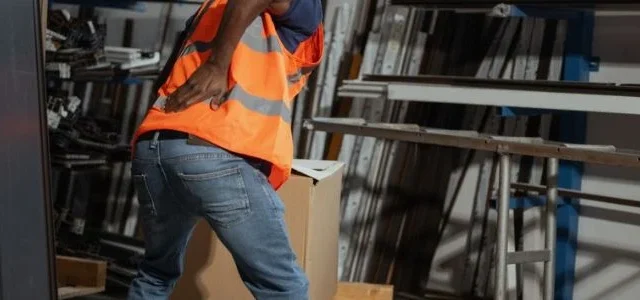
- Early 2023: Industry leaders began calling for a more nuanced federal approach to "Serious Injury and Fatality" data, noting that common lacerations or minor strains were often overshadowing the need to prevent falls from height, electrical shocks, and machine guarding failures.
- Late 2024: Preliminary discussions between the NSC and OSHA began regarding the consolidation of disparate safety research into a unified national resource.
- October 2026: The formalization of the National SIF Prevention Alliance was announced, marking a major milestone in OSHA’s efforts to modernize its technical assistance programs.
Data-Driven Prevention: Addressing High-Risk Hazards
The urgency behind this alliance is supported by sobering data from the Bureau of Labor Statistics (BLS). Year-over-year reports consistently indicate that while overall injury rates may fluctuate, the frequency of fatal workplace incidents remains a persistent challenge in sectors such as construction, manufacturing, and transportation.

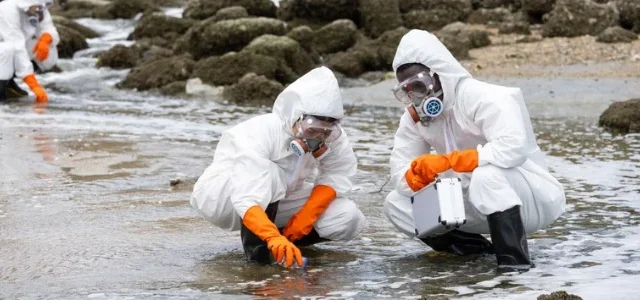
According to recent BLS Census of Fatal Occupational Injuries (CFOI) data, the construction industry continues to face significant challenges regarding fall protection, while the manufacturing sector deals with ongoing risks related to lockout/tagout procedures and heavy machinery operation. The NSC has identified that nearly 90% of SIFs occur in a small subset of "high-risk" activities. By focusing resources on these specific activities—such as working at heights, operating heavy mobile equipment, and handling hazardous materials—the alliance aims to achieve a statistically significant reduction in annual workplace deaths.
The University of Colorado Boulder’s CSRA, a key partner in this alliance, has conducted extensive research into the "precursor" theory. Their findings suggest that for every fatality, there are hundreds of "near-misses" that were not reported or were dismissed due to the absence of physical injury. The alliance will leverage this research to help employers build "early warning systems" that capture near-miss data and translate it into actionable safety policy.
Perspectives from the Safety Community
The integration of professional associations into this federal alliance has been met with broad approval from the safety community.

"The goal of this partnership is not just to provide more training, but to provide smarter training," stated a spokesperson close to the collaboration. The NSC has emphasized that the initiative will focus on the "Human and Organizational Performance" (HOP) model, which encourages employers to look beyond human error and examine the structural, environmental, and management systems that allow an error to occur in the first place.
The American Industrial Hygiene Association (AIHA) noted that the inclusion of industrial hygienists is crucial to addressing long-term health hazards. "While SIFs are often associated with acute trauma, we must also consider the catastrophic potential of long-term chemical exposure and occupational illnesses," an AIHA representative noted. By integrating health data with safety protocols, the alliance ensures a holistic approach to worker protection.
Implementation and Resource Distribution
The alliance plans to roll out its resources in phases over the next 24 months. The initial phase will focus on the development of "SIF Prevention Toolkits" tailored to small and medium-sized enterprises (SMEs). Research indicates that SMEs often lack the internal safety departments required to perform complex risk assessments; therefore, the alliance aims to bridge this gap by providing plug-and-play risk management frameworks.

These toolkits will include:
- Hazard Assessment Templates: Designed to help frontline supervisors identify precursors to severe injury.
- Management Training Modules: Educating leadership on how to cultivate a "just culture" where workers feel empowered to report high-risk conditions without fear of reprisal.
- Digital Resource Libraries: Providing access to the latest research from the CSRA, which can be integrated into existing company safety management systems (SMS).
Broader Implications for Occupational Safety
The launch of this alliance represents a significant shift in OSHA’s regulatory philosophy. By creating an alliance that emphasizes collaboration over purely punitive enforcement, OSHA is signaling that it views technical expertise and industry-led research as the most effective tools for reducing workplace fatalities.
However, the alliance also underscores the necessity for companies to rethink their insurance and liability strategies. As the industry standard for "reasonable safety measures" evolves to include the identification of SIF precursors, companies that fail to adopt these proactive methods may find themselves at a disadvantage during safety audits or in the event of legal proceedings following a workplace accident.

Moreover, the participation of academia—specifically the University of Colorado Boulder—ensures that the guidance provided is backed by empirical, peer-reviewed science. This academic-industrial-governmental loop is intended to ensure that safety practices are not static but evolve in real-time as new data becomes available.
Looking Toward the Future of Workplace Safety
As the alliance begins its work, the long-term objective is clear: to reduce the annual toll of workplace fatalities by fostering a culture where safety is viewed as a dynamic, continuous process rather than a static checklist.
For the average employer, the impact of this alliance will manifest in a more standardized approach to risk assessment. For the worker, it represents an improved standard of care, where the physical and organizational systems are designed to protect them even when a mistake occurs.
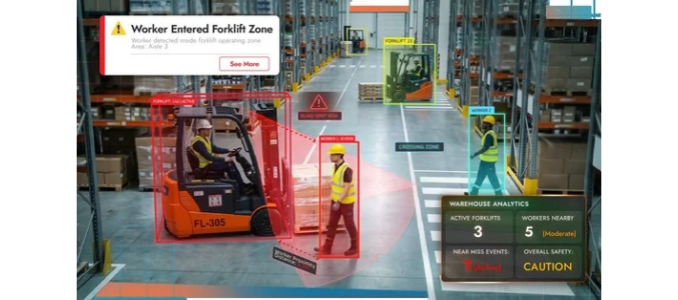
The National SIF Prevention Alliance is expected to hold its first public webinar series in early 2027, where it will present the foundational framework for its "SIF Identification Matrix." As the project progresses, industry stakeholders are encouraged to engage with these resources to align their internal safety protocols with the latest national standards. By integrating the insights of the NSC, the technical rigor of the AIHA, and the academic findings of the CSRA, OSHA is taking a decisive step toward the ultimate goal of zero workplace fatalities. This partnership, while in its nascent stages, provides the blueprint for a safer, more transparent, and highly analytical era of American occupational health and safety.