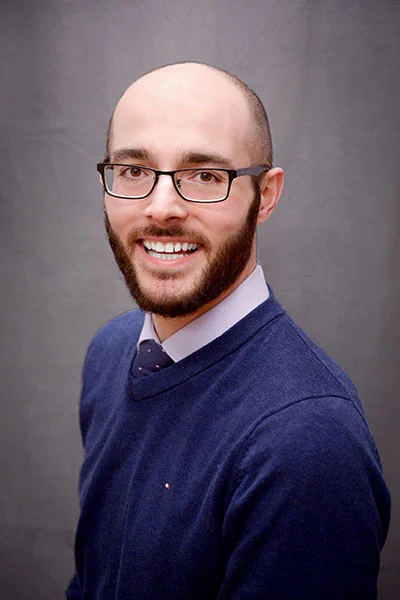
The VR SIG serves as a primary hub for physical therapists, researchers, and healthcare professionals dedicated to the treatment of vestibular dysfunction. Under McPherson’s leadership, the group is expected to deepen its long-standing collaboration with the Vestibular Disorders Association (VeDA), a leading non-profit advocacy group. This partnership is central to the mission of bridging the gap between clinical research and patient-centered care, ensuring that the latest advancements in vestibular science are translated into accessible treatments for those suffering from dizziness, vertigo, and imbalance.
A Profile in Clinical Excellence: The Background of Jake McPherson
Jake McPherson’s ascent to the chairmanship of the VR SIG is the culmination of years of dedicated service in both clinical and academic spheres. Currently serving as a Clinical Associate Professor at the University at Buffalo, McPherson has established himself as a thought leader in the integration of vestibular rehabilitation within broader neurologic care frameworks. His work at the university involves a multifaceted approach, combining the instruction of doctoral-level physical therapy students with ongoing clinical education for practicing professionals.
McPherson’s expertise is particularly noted in the field of concussion management. As a member of the University at Buffalo’s Comprehensive Concussion Management and Research Center, he has contributed significantly to the understanding of how head injuries impact vestibular and oculomotor function. This specialized focus is increasingly relevant, as contemporary medical literature highlights the high prevalence of vestibular symptoms following mild traumatic brain injuries (mTBI). By advocating for interdisciplinary collaboration—working alongside specialists in neurology, otolaryngology, and sports medicine—McPherson has championed a holistic model of care that addresses the complex needs of patients with multisensory integration issues.
The Strategic Role of the VR SIG within the ANPT
The Academy of Neurologic Physical Therapy, a component of the American Physical Therapy Association (APTA), is designed to optimize movement and well-being for individuals impacted by neurologic conditions. The VR SIG is one of eight specialized groups within the Academy, sitting alongside other critical areas such as Brain Injury, Spinal Cord Injury, Stroke, and Degenerative Diseases. Each of these groups provides a focused forum for discussing advances in practice and the unique challenges of patient care within their respective specialties.
The VR SIG specifically focuses on the complex anatomy and physiology of the inner ear and its connections to the brain. Vestibular rehabilitation is a highly specialized branch of physical therapy that utilizes exercise-based programs to promote central nervous system compensation for inner ear deficits. The significance of this specialty cannot be overstated; according to data from the National Institute on Deafness and Other Communication Disorders (NIDCD), approximately 69 million Americans have experienced some form of vestibular dysfunction in their lifetime.
Under the new leadership, the VR SIG will continue to offer a suite of essential resources designed to maintain high standards of clinical practice. These include the "Abstract of the Week," which provides evidence-based updates to clinicians, and the peer-edited Topics in Vestibular Therapy newsletter. Furthermore, the group facilitates quarterly online networking sessions, allowing clinicians from diverse geographic regions and practice settings—ranging from acute care hospitals to private outpatient clinics—to share insights and case studies.
Supporting Data: The Rising Global Burden of Vestibular Disorders
The appointment of McPherson comes as the medical community grapples with the growing economic and social impact of vestibular disorders. Chronic dizziness is one of the most common reasons for physician visits, particularly among the elderly. Data suggests that vestibular dysfunction is a leading risk factor for falls in older adults, which remains a primary cause of injury-related hospitalizations and mortality in the 65-plus demographic.
Research indicates that nearly 35% of U.S. adults aged 40 years and older—approximately 69 million people—have evidence of vestibular dysfunction. For those over the age of 80, the prevalence of vestibular imbalance rises to 85%. The economic implications are equally staggering, with some estimates suggesting that the cost of falls in the United States exceeds $50 billion annually. Effective vestibular rehabilitation, led by specialists like those within the VR SIG, has been shown to significantly reduce fall risk and improve the quality of life, thereby alleviating the burden on the healthcare system.
Furthermore, the rise in "Long COVID" symptoms has introduced a new cohort of patients experiencing vestibular-like symptoms, including persistent postural-perceptual dizziness (PPPD). This emerging clinical challenge underscores the need for leadership that can adapt to new data and foster innovative rehabilitation strategies.
Chronology of Collaboration: VeDA and the VR SIG
The relationship between VeDA and the ANPT’s VR SIG has been a cornerstone of the vestibular community for decades. While the ANPT focuses on the professional development of therapists, VeDA serves as the voice of the patient, providing education and support to those diagnosed with conditions such as Benign Paroxysmal Positional Vertigo (BPPV), Meniere’s disease, and vestibular migraine.
The timeline of this collaboration has seen several key milestones:
- Early 2000s: Establishment of formal communication channels between patient advocates and clinical researchers to align research priorities with patient needs.
- 2010–2020: Development of comprehensive patient education fact sheets, co-vetted by VR SIG members to ensure medical accuracy.
- 2023–2024: Launch of joint awareness campaigns during Vestibular Disorders Education and Awareness (VEDA) Week, reaching millions of individuals worldwide.
- Present Day: The appointment of Jake McPherson, who has pledged to further integrate these two organizations to streamline the path from diagnosis to rehabilitation.
This synergy ensures that when a patient is diagnosed with a vestibular disorder, they have access to a network of therapists who are informed by the highest level of peer-reviewed evidence.
Official Responses and Professional Implications
Professional reactions to McPherson’s appointment have been overwhelmingly positive, with many in the field noting his ability to bridge the gap between complex research and practical application. Representatives from VeDA expressed enthusiasm for the continued partnership, emphasizing that McPherson’s background in interdisciplinary care is exactly what is needed to address the "siloed" nature of vestibular treatment.
"The leadership of the VR SIG is essential for maintaining the momentum we have built in vestibular awareness," a VeDA spokesperson noted in a statement following the announcement. "Having a chair who is deeply embedded in both the academic research of the University at Buffalo and the clinical reality of patient care will ensure that our educational resources remain at the cutting edge of science."
From a clinical standpoint, McPherson’s chairmanship is expected to influence the development of new Clinical Practice Guidelines (CPGs). These guidelines are essential for standardized care, helping therapists determine the most effective interventions for specific vestibular diagnoses. As research evolves—particularly in the use of virtual reality and wearable technology for balance training—the VR SIG will play a critical role in evaluating and endorsing these new modalities.
Looking Ahead: The 2026 ANPT Annual Conference
A major focal point for the VR SIG under McPherson’s tenure will be the 2026 ANPT Annual Conference. Scheduled to take place from September 17-19, 2026, in Minneapolis, Minnesota, the conference represents the premier gathering for neurologic physical therapy professionals. VeDA has already confirmed its role as a conference sponsor, highlighting the enduring nature of the partnership.
The 2026 conference is expected to feature a robust track dedicated to vestibular rehabilitation, with sessions focusing on:
- Advanced diagnostics for peripheral and central vestibular disorders.
- The role of the vestibular system in concussion recovery and return-to-play protocols.
- Innovative technological applications in balance retraining.
- Strategies for improving patient adherence to home exercise programs (HEPs).
Minneapolis, known as a center for medical innovation and home to several world-class healthcare institutions, provides an ideal backdrop for this exchange of knowledge. The event will offer McPherson and the VR SIG a platform to showcase the progress made in the field and to set the agenda for the coming years.
Analysis: The Future of Vestibular Rehabilitation
The appointment of Jake McPherson is more than a routine leadership change; it reflects a broader shift in the physical therapy profession toward specialization and interdisciplinary integration. As the healthcare landscape moves toward value-based care, the ability of vestibular therapists to provide rapid, effective, and evidence-based interventions will be paramount.
One of the key challenges McPherson will face is the geographic disparity in access to specialized care. While metropolitan areas often have "balance centers" staffed by NCS-certified therapists, rural populations frequently lack access to these services. Observers suggest that under McPherson’s leadership, the VR SIG may increase its focus on telehealth and digital education to help bridge this gap.
Furthermore, the integration of vestibular health into primary care settings remains a high priority. Many patients with vestibular disorders suffer for months or years before receiving a correct diagnosis. By fostering relationships with primary care physicians and emergency room staff, the VR SIG aims to improve early detection and referral rates.
In conclusion, Jake McPherson’s new role as Chair of the Vestibular Rehabilitation Special Interest Group arrives at a critical juncture for neurologic physical therapy. With a solid foundation of clinical expertise, a commitment to interdisciplinary collaboration, and a strong partnership with advocacy groups like VeDA, McPherson is well-positioned to lead the VR SIG into a new era of growth. His leadership promises to enhance the professional lives of therapists while ultimately improving the outcomes and quality of life for the millions of individuals worldwide living with vestibular disorders.