
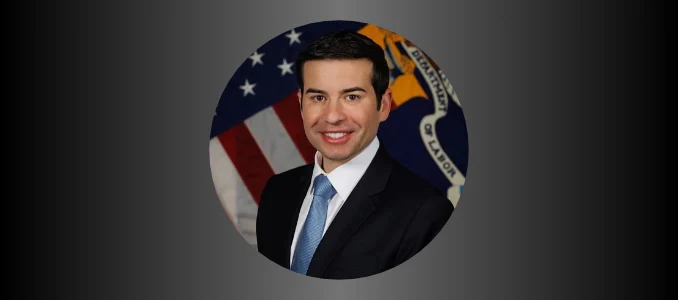
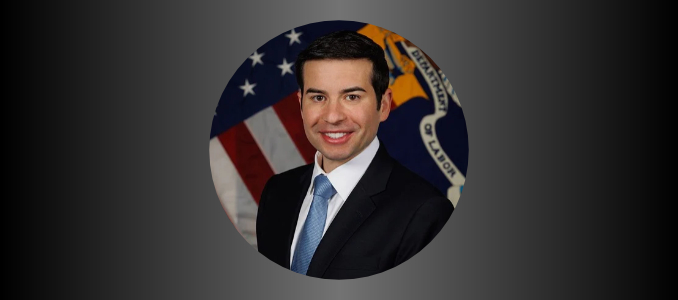
A Career Defined by Labor and Employment Law
Keith Sonderling’s ascent to the Cabinet position follows a tenure characterized by deep institutional experience within the Department of Labor and the broader federal regulatory landscape. Prior to his confirmation, Sonderling had served as the Acting Secretary of Labor since April 20, 2026, providing him with a six-month window to demonstrate his administrative priorities before the Senate vote. His nomination by President Donald Trump on June 29, 2026, signaled a continuity of policy for an administration that has prioritized business-friendly labor regulations and streamlined federal oversight.
Sonderling’s professional background is rooted in both the private sector and public service. Before his roles in Washington, he was a partner at the prominent law firm Gunster, where he specialized in complex labor and employment litigation. This private-sector experience provided him with a practical understanding of the challenges employers face in adhering to federal mandates—a perspective that has frequently informed his approach to regulation. His academic foundation, a bachelor’s degree from the University of Florida followed by a law degree from Nova Southeastern University, prepared him for a career deeply embedded in the intricacies of legal compliance and human resources law.

Chronology of Federal Service
The path to the Cabinet has been a steady climb through the ranks of federal labor administration. Sonderling’s footprint in the federal government is extensive:
- 2017–2020: Served as the Acting Administrator and Deputy Administrator of the Wage and Hour Division (WHD) at the Department of Labor. During this period, he played a key role in interpreting and enforcing the Fair Labor Standards Act (FLSA) and the Family and Medical Leave Act (FMLA).
- 2020–2024: Appointed as a Commissioner of the U.S. Equal Employment Opportunity Commission (EEOC). His four-year tenure at the EEOC was marked by a focus on the intersection of technology and employment law, specifically regarding artificial intelligence in hiring practices.
- 2024–2026: Returned to the executive branch in leadership roles within the Department of Labor, culminating in his appointment as Deputy Secretary.
- April 2026: Assumed the role of Acting Secretary of Labor following a leadership transition.
- September 30, 2026: Formally confirmed by the U.S. Senate as the Secretary of Labor.
The Scope of the Secretary’s Mandate
As Secretary of Labor, Sonderling inherits oversight of a massive federal apparatus. The Department of Labor’s budget and staff are directed toward several critical missions that impact the daily operations of virtually every business in the United States.

Chief among these is the Occupational Safety and Health Administration (OSHA). With a mission to ensure safe and healthful working conditions for workers by setting and enforcing standards, OSHA is the primary vehicle for federal workplace safety oversight. Under Sonderling, industry analysts expect a focus on "cooperative compliance," a regulatory philosophy that prioritizes employer-led safety training and voluntary safety programs alongside traditional enforcement actions.
Furthermore, the Department oversees the Bureau of Labor Statistics (BLS), the Employment and Training Administration (ETA), and the Office of Federal Contract Compliance Programs (OFCCP). Each of these entities plays a vital role in monitoring economic health, managing workforce development grants, and ensuring non-discrimination among federal contractors. Sonderling’s ability to manage these disparate yet interconnected agencies will determine the administration’s success in its labor-market objectives, particularly regarding workforce participation and industrial safety metrics.

Analyzing the Implications of the Confirmation
The confirmation of a new Secretary of Labor often signals a shift in the "temperature" of federal enforcement. During the confirmation process, industry groups—such as the U.S. Chamber of Commerce and various manufacturing associations—largely expressed optimism regarding Sonderling’s nomination. Proponents argue that his background in both the Wage and Hour Division and the EEOC makes him uniquely qualified to balance the competing interests of labor protections and corporate operational efficiency.
Conversely, organized labor representatives have raised concerns about the long-term impact of a more deregulatory approach. The primary tension lies in how the Department will handle administrative rulemaking. Historically, labor secretaries exert significant influence by issuing "guidance letters" and adjusting the thresholds for overtime pay, independent contractor classifications, and safety reporting requirements. With Sonderling at the helm, observers anticipate a focus on reducing the administrative burden on employers, potentially leading to a rollback of specific mandates introduced during the prior administration.

Strategic Priorities for the Department
Looking toward the remainder of his term, Sonderling faces several immediate challenges. First is the modernization of the federal workforce. As the labor market evolves in the wake of rapid technological advancements, the Department of Labor must define the legal status of workers in the "gig economy." Sonderling’s previous work at the EEOC regarding AI and automated hiring tools suggests he may prioritize federal guidance on how emerging technologies can be integrated into the workplace without violating federal employment laws.
Second, the Department must address the ongoing labor shortages in key sectors such as construction and manufacturing. The Secretary is expected to emphasize vocational training and apprenticeship programs, utilizing the ETA to bridge the gap between academic institutions and the industrial sector. By strengthening the pipeline of skilled labor, the administration hopes to bolster long-term economic stability and reduce reliance on temporary or imported labor solutions.

Third, OSHA enforcement remains a central pillar. While the administration favors a less adversarial approach to enforcement, recent data indicates that workplace injury and illness rates remain a persistent concern in high-hazard industries. Sonderling will likely be judged on his ability to lower these rates through technological intervention and improved safety training programs rather than purely through increased citation volume.
The Political and Economic Context
The 47-41 vote indicates a polarized Senate, reflecting the broader national debate over the role of government in the private economy. Supporters of the confirmation view Sonderling as a pragmatist who understands that economic growth is tethered to a stable and predictable regulatory environment. Detractors, however, view the confirmation as a step toward weakening the enforcement mechanisms that have historically served as a floor for worker protections.

As the Department of Labor moves forward under new leadership, the business community will be closely watching for shifts in the enforcement of the Fair Labor Standards Act. Any significant changes to how the Department classifies employees versus independent contractors could have profound consequences for industries relying on flexible labor models, such as logistics, transportation, and service-oriented tech platforms.
Conclusion: A New Era for Labor Oversight
Keith Sonderling takes the reins of the Department of Labor at a pivotal moment in American history. With the labor market still adjusting to the long-term shifts in work habits, technology, and economic demand, his leadership will be measured by his ability to maintain a balanced, stable, and transparent regulatory environment. Whether he is remembered as a transformative figure who streamlined labor law or as a regulator who maintained the status quo, his impact on the American workplace will be felt for years to come. By leveraging his dual experience in legal advocacy and regulatory administration, Sonderling aims to harmonize the needs of the modern employer with the fundamental rights and safety of the American worker. The coming months will likely reveal the specific policy priorities that will define his tenure as he seeks to shape the trajectory of U.S. labor policy.