Legislative Context and the Origins of EHB 1173
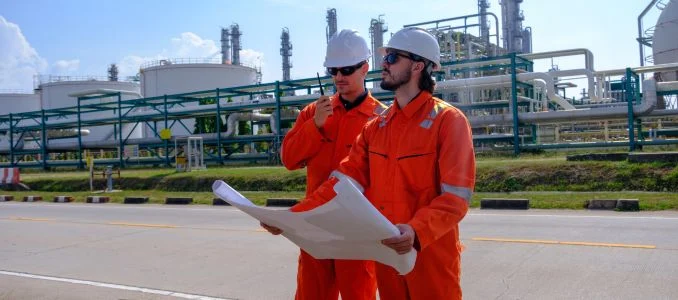
The impetus for this rulemaking stems from a concerted effort by the Washington State Legislature to harmonize existing industrial safety standards with modern workforce development goals. Refinery operations are classified as high-hazard facilities due to the presence of flammable materials, pressurized systems, and complex chemical processes. Historically, the state has maintained rigorous oversight of these facilities to mitigate the risk of catastrophic incidents, such as fires, explosions, or toxic leaks.
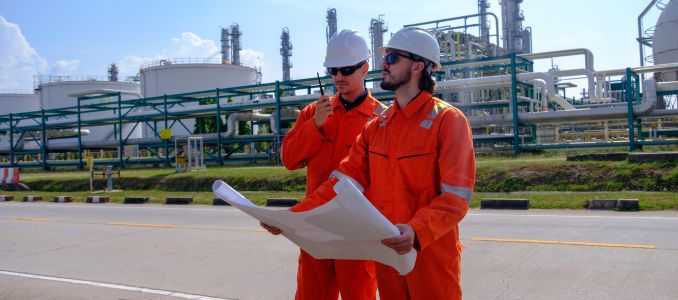
EHB 1173 was introduced to address specific gaps in how apprentices—individuals gaining essential experience in highly technical fields—are integrated into refinery operations. The legislation recognized that the safety culture within a refinery is intrinsically linked to the competency and protection of its entry-level workforce. By mandating clearer definitions of roles and requiring employers to provide transparent notifications regarding wage structures and specific job functions, the legislature sought to stabilize the talent pipeline and ensure that apprentices are not utilized in roles for which they are not yet fully vetted.
The Role of Labor & Industries in Regulatory Oversight
The rulemaking process is being spearheaded by the Division of Labor Standards in close collaboration with the Division of Occupational Safety and Health (DOSH). This interdisciplinary approach is critical; whereas Labor Standards focuses on the equitable treatment of workers and the fulfillment of wage-related statutory requirements, DOSH maintains the technical expertise required to evaluate the safety implications of workforce training protocols.
The proposed amendments to Chapter 296-71 represent a significant effort to bridge the divide between administrative compliance and on-the-ground safety. By establishing these new definitions, the department intends to eliminate ambiguity that has previously led to confusion regarding the scope of work apprentices can perform during different stages of their training. The inclusion of mandatory notifications ensures that both the employer and the employee remain on the same page regarding expectations, which is a fundamental component of effective risk management in high-hazard settings.

Timeline: From Legislative Enactment to Public Comment
The timeline for these regulatory changes reflects the standard administrative procedure for implementing state laws in Washington. Following the enactment of EHB 1173 in 2025, the Department of Labor & Industries spent months analyzing the statutory language and conducting stakeholder outreach to draft the current proposal.
- 2025: Engrossed House Bill 1173 is passed by the state legislature, establishing new mandates for refinery apprenticeship oversight.
- Late 2025 – Early 2026: The Division of Labor Standards and DOSH perform internal assessments to align existing WAC codes with the new legislation.
- September 2026: The department formally announces the proposed rulemaking, opening the window for public engagement.
- October 29, 2026: A virtual public hearing is scheduled to collect formal testimony from industry stakeholders, labor unions, and the general public.
- Post-Hearing Phase: Following the hearing, the department will review all submitted comments, potentially adjust the proposed language, and move toward final adoption.
The October 29 Public Hearing
A critical milestone in this process is the upcoming public hearing, scheduled for October 29, 2026, via Microsoft Teams. This digital forum is designed to maximize accessibility for stakeholders across the state, including refinery operators, labor union representatives, and safety advocates.
The hearing structure is intentionally methodical. It will begin at 1:00 p.m. with an overview of the proposed changes, providing attendees with a baseline understanding of how the regulations will alter current refinery operations. At 1:30 p.m., the floor will open for oral testimony. The department has stated that this segment will remain open until all participants have had the opportunity to provide their input, underscoring a commitment to a transparent and inclusive democratic process.

Implications for the Refining Sector
The broader implications of these rules are twofold: improved worker safety and heightened administrative accountability. In the high-stakes environment of petroleum refining, where the margin for error is razor-thin, the standard of training for apprentices is a vital safety metric.
Industry analysts suggest that by clarifying the definitions of "apprentice" and "journeyman" duties, refineries will be better positioned to avoid "scope creep," where workers are assigned tasks exceeding their current competency level. This clarity is expected to reduce the incidence of workplace errors, which remain the leading cause of industrial accidents.
Furthermore, the emphasis on wage and occupation notifications is a nod toward modern labor standards. As the refining industry faces a demographic shift with many senior technicians nearing retirement, the ability to recruit and retain younger apprentices has become a strategic priority. Providing a transparent career and compensation structure is essential for maintaining the appeal of refinery work to the next generation of industrial professionals.

Supporting Data and Safety Metrics
Washington’s refineries are significant contributors to the state’s economy and energy stability. However, they also represent a concentrated risk profile. Data from the Bureau of Labor Statistics (BLS) regarding the chemical and petroleum manufacturing sectors indicates that while the total number of injuries has trended downward over the last decade, the severity of those injuries remains disproportionately high compared to other manufacturing sub-sectors.
The move to codify apprenticeship oversight is, in part, a data-driven response to these trends. By ensuring that training programs are documented and that wage notifications are transparent, the state hopes to drive down the "human factor" in incident causation. In many industrial accidents, investigators have pointed to inadequate supervision or a lack of clarity regarding responsibilities as contributing factors. These new rules serve as a preventative measure, effectively building a "compliance wall" around the apprenticeship training process.
Official Responses and Stakeholder Reactions
While the Department of Labor & Industries has maintained a neutral, procedural stance throughout the rulemaking, industry groups and labor unions have begun to prepare their respective positions.

Industry associations, representing major refinery operators, have generally expressed support for the goal of improved safety, though they often emphasize the need for flexibility in how these rules are implemented. The concern among operators is typically the potential for excessive administrative burden. Companies will likely use the public hearing to argue for language that allows for operational agility, particularly during emergency maintenance periods or unplanned outages where rapid workforce deployment is required.
Conversely, labor unions are expected to champion the proposals as a victory for worker safety and fairness. For these organizations, the legislation is a necessary intervention to ensure that apprentices are not being used as a lower-cost alternative to qualified journeymen. They are likely to push for stringent enforcement mechanisms to ensure that the notification requirements are not merely "paper compliance" but are instead integrated into the daily management of refinery sites.
Conclusion and Next Steps
The proposal to update Washington’s refinery workforce rules represents a sophisticated attempt to balance the economic realities of the energy sector with the non-negotiable requirements of workplace safety. By integrating the mandates of EHB 1173 into the existing regulatory code, the Department of Labor & Industries is positioning Washington as a leader in industrial workforce development.

The upcoming October 29 hearing is not merely a formality; it is the arena where the final shape of these regulations will be determined. Stakeholders interested in the future of the state’s refining sector are encouraged to review the full text of the proposal on the department’s official rulemaking website. As the industry evolves, the ability of state agencies to adapt their regulatory frameworks to protect workers—while simultaneously supporting the continuity of critical infrastructure—will remain a hallmark of effective governance. The transition from proposal to finalized rule will be a closely watched process, as its impacts will be felt by thousands of workers and the industrial communities that support them.