
The Clinical Context: Beyond Hearing Loss
Jack’s diagnosis was multifaceted. Beyond his hearing impairment, he was identified with a rare chromosomal variant known as EFTUD2, or mandibulofacial dysostosis with microcephaly (MFDM). This condition, which affects craniofacial development, often carries a high prevalence of hearing loss among its patient population.
The medical journey for such children is rigorous. From the initial hearing screening—which often leads to a cascade of diagnostic tests—to the selection of hearing technology, the process is a marathon of appointments. In the early stages, parents must navigate not only the audiological requirements but also state-level support systems, such as the Department of Social and Health Services (DSHS) applications, and a series of surgical interventions. For families, the clinical reality is that early intervention is not a luxury; it is a fundamental pillar of neurological and linguistic development.
A Chronology of Early Intervention
The path to effective communication for a child like Jack typically follows a structured timeline of intervention.
- Initial Diagnosis (Month 1): The period of discovery, characterized by diagnostic testing and the initial education of parents regarding hearing loss classifications.
- The Selection Phase (Months 2–6): Families evaluate various early intervention programs. This period is critical for setting the trajectory of language acquisition. For the Krenn family, the choice fell to Listen and Talk, a center specializing in deaf and hard-of-hearing education.
- The Intensive Partnership (Years 0–3): Through weekly sessions with a speech-language pathologist (SLP), the child begins the work of auditory habilitation. This stage involves not only the child but the entire family unit, as caregivers are trained to optimize the "listening environment" at home.
- Preschool Integration (Age 3+): The transition to a blended classroom environment. This allows for peer-to-peer social interaction, which is vital for the development of both language and emotional intelligence.
Data and Developmental Implications
The importance of early intervention in children with hearing loss is backed by extensive longitudinal data. According to the Joint Committee on Infant Hearing (JCIH), children who receive intervention services before six months of age demonstrate significantly higher language development scores compared to those identified later.

In Jack’s case, the initial clinical assessments suggested a moderate-to-severe mixed hearing loss in both ears. However, as the child grew and diagnostic tools became more reliable—accounting for changes in anatomy such as the placement of ear tubes—the assessment was refined to a unilateral conductive loss. This nuance is critical; it demonstrates that audiological profiles are dynamic. The ability to pivot between different technologies, such as moving from a subtle, beige hearing aid to more personalized options, reflects a shift in the family’s acceptance and the child’s evolving identity.
Furthermore, Jack’s secondary diagnosis of childhood apraxia of speech (CAS) highlights the complexities often faced by children with hearing impairments. CAS is a motor speech disorder that makes it difficult for a child to speak; the brain struggles to plan the movements of the lips, jaw, or tongue needed for speech. For a child with both hearing loss and CAS, the effort required to communicate is double-layered: they must first hear the input accurately and then execute the complex motor planning required for output.
The Role of Specialized Educational Environments
The success of programs like Listen and Talk lies in their integrated approach. Rather than isolating the medical aspects of hearing loss, these programs incorporate them into a standard educational framework.
Educational experts note that "blended classrooms"—those that include both students with and without hearing loss—offer significant benefits. They foster an environment where assistive technology, such as FM systems or sound-field amplification, becomes a normalized part of the classroom culture. For a three-and-a-half-year-old, this environment turns the "work" of hearing and speaking into a natural aspect of play and social interaction.
The pedagogical impact is visible in the progress reports and daily classroom documentation provided to parents. These "picture pages," which track developmental milestones, serve as a bridge between the classroom and the home, ensuring that the strategies employed by teachers are reinforced by parents. This continuity is a key predictor of long-term academic success for children with auditory impairments.
Broader Impact and Policy Implications
The broader implications of the work performed at centers like Listen and Talk extend beyond the individual child. As society moves toward more inclusive educational models, the infrastructure required to support children with disabilities must be adequately funded.

The financial burden on families dealing with hearing loss is substantial. Beyond the costs of specialized schooling, families must manage the recurring expenses of audiological equipment, regular testing, and, in many cases, therapies for comorbid conditions like apraxia. This is where the importance of philanthropic efforts and social impact enterprises becomes evident.
The "Alumni Family Giving Campaign" mentioned in the context of Listen and Talk serves as a vital safety net. By funding early intervention services, speech therapy, and parent education, such campaigns ensure that access to care is not dictated solely by a family’s financial status. It is a model of community-supported healthcare that aligns with the broader public health vision: that no child should be limited by hearing loss.
Conclusion: A Shift in Perspective
The transformation of the Krenn family’s experience—moving from the anxiety of the "beige and clear" aesthetic of medical necessity to the neon and glitter of personal expression—symbolizes the ultimate goal of early intervention. It is the transition from managing a disability to fostering a personality.
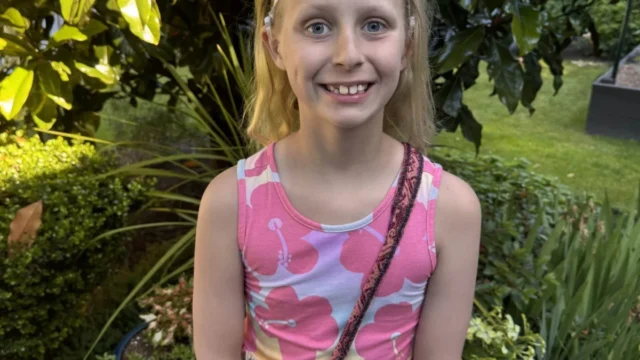
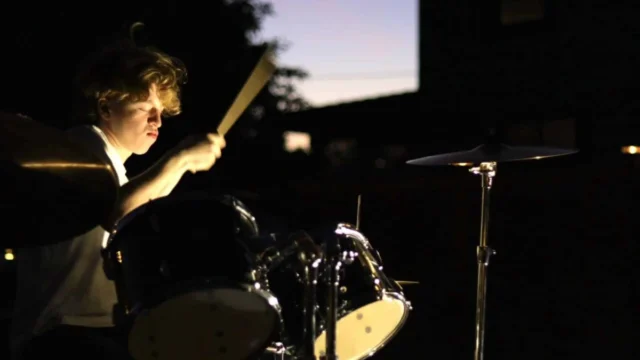
Jack, now affectionately referred to as "The Honey Badger" due to his determined and energetic nature, serves as a testament to the efficacy of early, consistent, and supportive intervention. His ability to navigate his hearing loss, his speech challenges, and his environment with confidence is not the result of a single medical intervention, but rather the cumulative effect of years of partnership between clinical experts, educators, and an engaged family.
As the medical community continues to refine the treatment of conditions like EFTUD2 and childhood apraxia of speech, the model of early intervention provided by specialized institutions remains the gold standard. For families standing at the beginning of that daunting path, the message is clear: the initial uncertainty is merely the prologue to a journey of growth, discovery, and eventual empowerment. Through sustained support, the barriers created by hearing loss are not insurmountable, but rather hurdles to be navigated with the right tools, the right team, and an unwavering commitment to the potential of every child.