A Complex Medical Foundation
Jack Krenn’s early years were characterized by a series of significant medical hurdles. Beyond his diagnosis of hearing loss, Jack was born with a rare chromosomal variant known as EFTUD2, or mandibulofacial dysostosis with microcephaly (MFDM). This condition is characterized by craniofacial abnormalities and microcephaly, and hearing impairment is a common feature among those affected.
The initial clinical picture was difficult to define. Early assessments suggested a moderate-to-severe mixed hearing loss in both ears. However, as Jack grew, underwent surgical procedures—including the placement of ear tubes—and participated in more refined longitudinal testing, the diagnosis was clarified as a unilateral conductive hearing loss. This diagnostic evolution is common in pediatric audiology, where physical growth and improved testing capabilities often yield more accurate assessments than initial screenings performed in the first weeks of life.
In addition to his hearing status, Jack navigates childhood apraxia of speech (CAS), a motor speech disorder that makes it difficult for children to speak. Because CAS affects the brain’s ability to plan the movements required for speech, the combination of hearing loss and apraxia creates a unique set of challenges. Jack must not only work to perceive sound accurately but also exert significant cognitive effort to translate those sounds into verbal output.
The Critical Role of Early Intervention
The Krenn family’s decision to partner with Listen and Talk, a specialized early intervention program, marked a turning point in their trajectory. Early intervention (EI) for children with hearing loss is widely regarded by pediatric health experts as the gold standard for long-term developmental success. Data from the Joint Committee on Infant Hearing (JCIH) consistently shows that children who receive intervention services before six months of age demonstrate significantly better outcomes in language development, cognitive processing, and social-emotional growth compared to their peers who begin services later.
At Listen and Talk, the Krenns were paired with a speech-language pathologist (SLP) who facilitated a transition from clinical management to holistic family support. This relationship extended beyond the traditional scope of therapy; the SLP provided advocacy, attended social playgroups to ensure proper integration, and educated the family’s social and professional circles on how to optimize listening environments. Such comprehensive support is essential because hearing loss does not exist in a vacuum; its management requires the cooperation of parents, educators, and the community to ensure the child remains an active participant in their environment.
The Impact of Preschool Integration
Now halfway through his first year in the Listen and Talk preschool program, Jack is thriving in a blended classroom environment. These programs are designed to integrate children with hearing loss into a setting that mimics the real-world acoustic environment while providing the high-level scaffolding necessary for language acquisition.
The effectiveness of this model is evidenced by the shift in Jack’s confidence and his ability to communicate his interests. His teachers utilize individualized education plans that address both his auditory needs and his motor planning challenges. Regular reporting, which includes documentation of classroom progress and social interactions, allows parents to remain active participants in their child’s learning process. This transparency is crucial for parents, as it helps demystify the progress occurring during the school day and encourages the carryover of these lessons into the home environment.
Data-Driven Insights into Hearing Loss
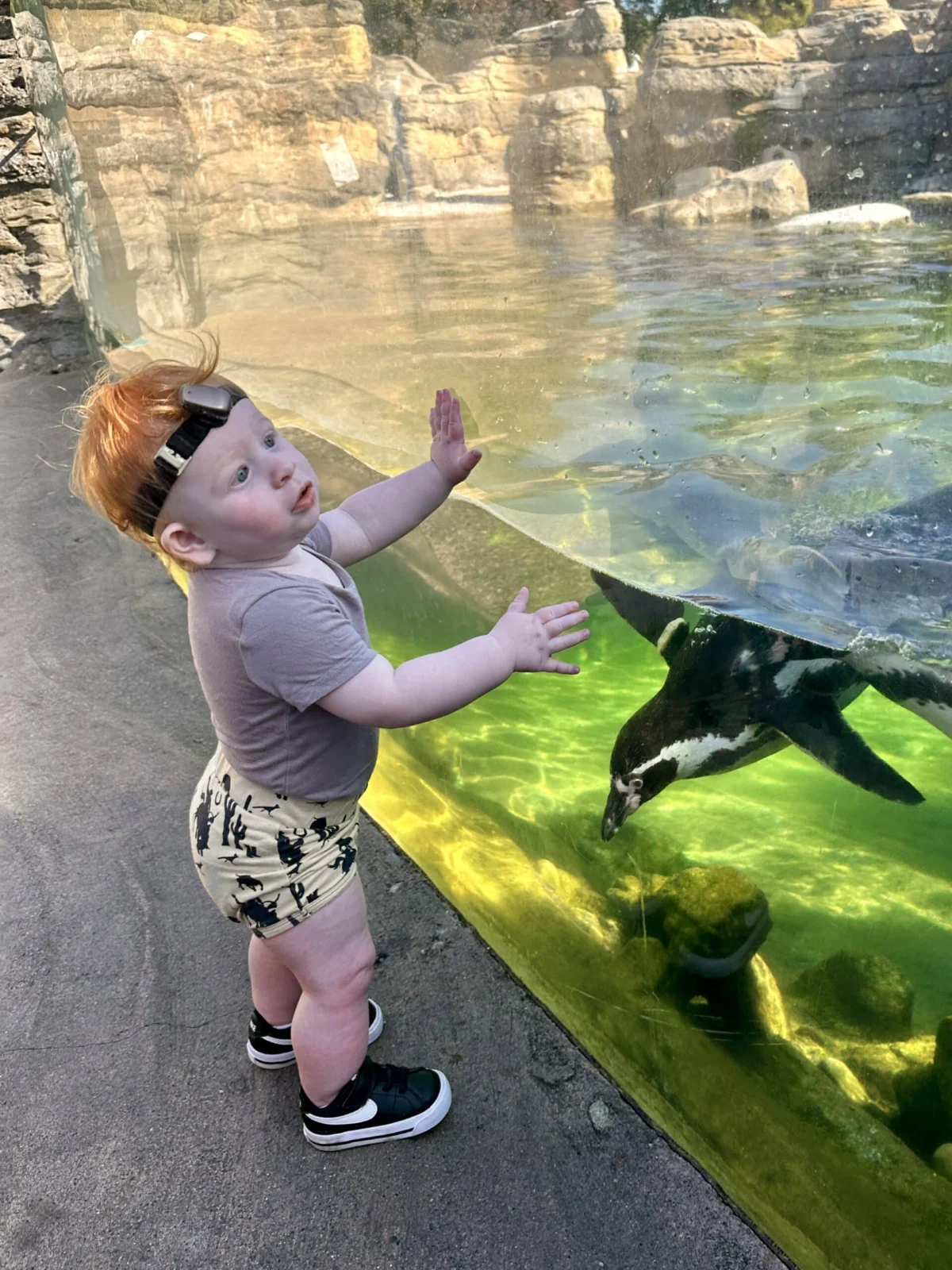
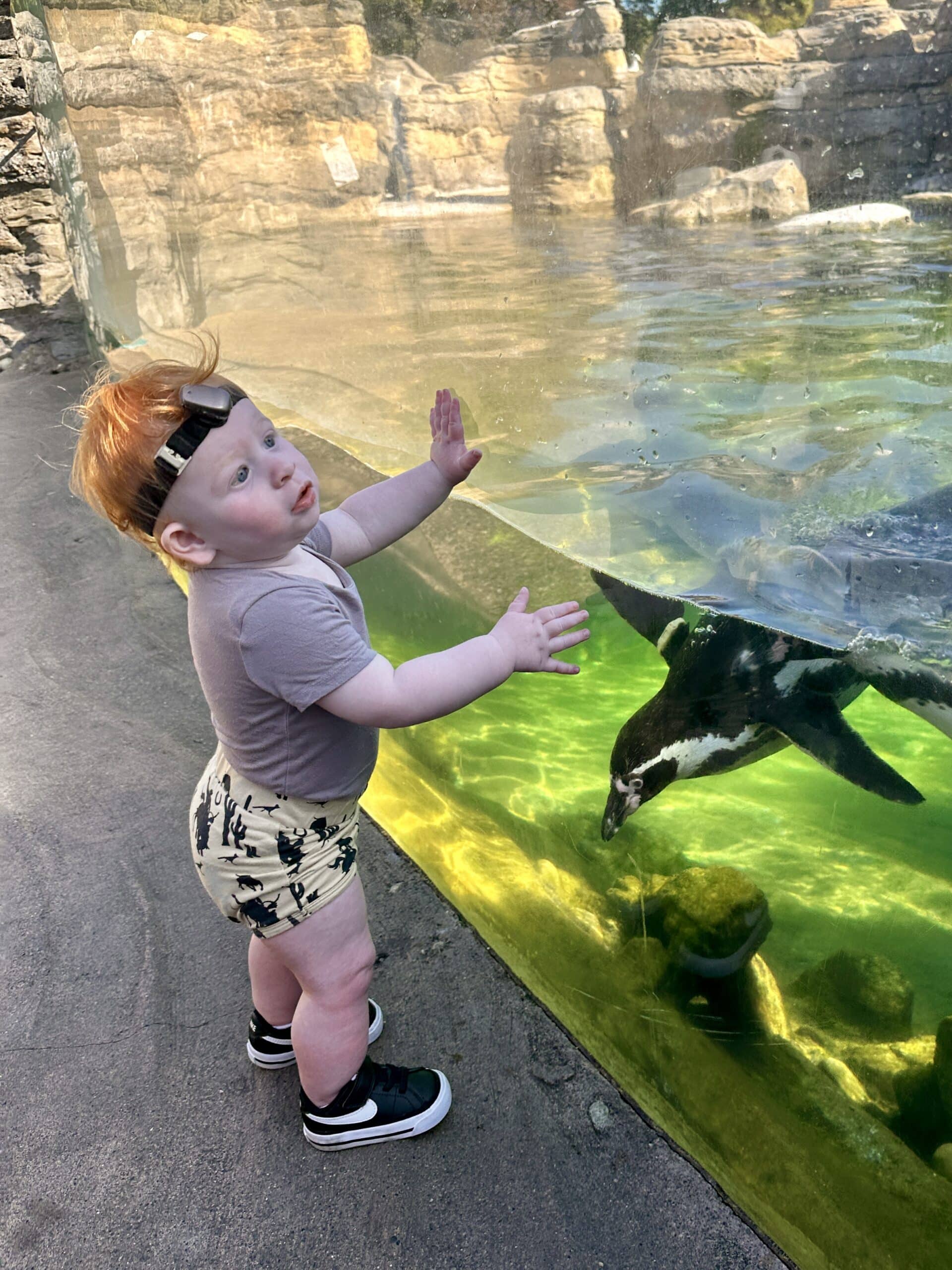
The journey of a child with hearing loss is rarely linear, often involving a sequence of audiograms, hearing aid fittings, and, in some cases, surgical interventions. The evolution of Jack’s assistive technology—from a discreet, beige hearing aid to more expressive, personalized accessories—mirrors a psychological shift in his family’s acceptance and advocacy.

According to the National Institute on Deafness and Other Communication Disorders (NIDCD), approximately two to three out of every 1,000 children in the United States are born with a detectable level of hearing loss in one or both ears. When complications like MFDM are added to the equation, the need for multidisciplinary teams becomes even more pressing. Effective management requires a combination of audiology, speech-language pathology, and developmental psychology. By addressing these needs early, programs like Listen and Talk prevent the "language gap" that often occurs when children with hearing loss are not provided with adequate auditory stimulation during the most critical windows of brain development.
Broader Implications and Institutional Support
The success stories of children like Jack are made possible through the support of specialized social impact enterprises and donor-funded initiatives. The Alumni Family Giving Campaign at organizations like Listen and Talk is a primary driver for sustaining these services. These funds cover costs not always fully reimbursed by insurance, such as specialized auditory training, parent education seminars, and the maintenance of classroom technology that helps bridge the gap for children with complex needs.
The implications for the broader community are significant. When early intervention is successful, it reduces the long-term reliance on remedial services in the public school system and empowers individuals to achieve greater independence. The vision—that "no child is limited by hearing loss"—is rooted in the reality that with the right tools, the right environment, and the right support, the developmental trajectory of a child with a disability can be fundamentally altered.
Conclusion: A Future Defined by Potential
Today, Jack Krenn is recognized by his peers and teachers not by his hearing challenges, but by his determination and enthusiasm for the world around him. His nickname, "The Honey Badger," speaks to his resilience, while his deep interest in animals and the natural world underscores his cognitive and imaginative growth.
For the Krenn family, the fear that characterized those first few months has been replaced by a proactive approach to advocacy. They have moved from the confusion of the initial diagnosis to a position of active engagement, sharing their story to help other families who may be standing at the beginning of their own daunting paths. As research continues to refine the methods of teaching children with hearing loss and speech disorders, the focus remains on ensuring that every child has access to the resources required to meet their full potential, proving that early intervention is not merely a service, but a life-changing investment in the future of the next generation.