The Chronology of Early Intervention
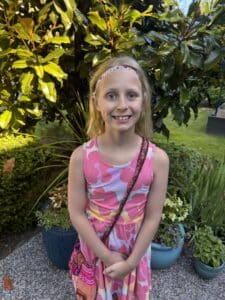
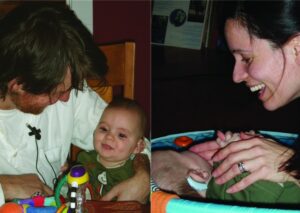
Marna Klein’s development trajectory began shortly after birth, a critical window in pediatric audiology. Research consistently demonstrates that the first three years of life are the most significant for neurological development related to speech and language acquisition. Marna was fitted with her first set of hearing aids at two months old, a proactive measure that aligns with the "1-3-6" model established by the Joint Committee on Infant Hearing (JCIH). This model recommends screening by one month of age, diagnosis by three months, and enrollment in early intervention services by six months.
Following the initial fitting, the medical intervention continued with a cochlear implant at 12 months and a secondary implant at 24 months. These milestones were synchronized with intensive LSL therapy provided by Listen and Talk. The LSL approach emphasizes the development of the brain’s auditory centers, training the child to interpret electrical signals from implants as meaningful language. By utilizing the organization’s "Birth-to-3" program, Marna’s family received home-based coaching, which is widely considered the gold standard for empowering parents to facilitate language development in natural, everyday settings.
The Role of Blended Classrooms
Transitioning from home-based care to a school environment marks a significant milestone in the socialization of children with hearing loss. Between the ages of three and five, Marna participated in the Listen and Talk Blended Classroom program. This model is distinct because it integrates students with typical hearing alongside students who are deaf or hard of hearing.
Educational experts argue that inclusive, blended environments provide essential benefits. For the student with hearing loss, it offers a realistic auditory landscape that mimics the broader society, requiring the child to develop self-advocacy skills and resilience. For the typically hearing peers, it fosters an early understanding of neurodiversity and communication accessibility. Data from similar programs suggest that children who undergo such integrated preschool experiences demonstrate higher levels of social-emotional confidence and improved speech intelligibility compared to those in segregated educational settings.
The Science of Listening and Spoken Language
The LSL methodology utilized by organizations like Listen and Talk is rooted in neuroplasticity. Because the brain is most adaptable during early childhood, consistent access to sound—facilitated by cochlear implants—allows the auditory nerve to mature. If this stimulation occurs during the critical period, the child can develop spoken language skills that are often indistinguishable from their hearing peers.
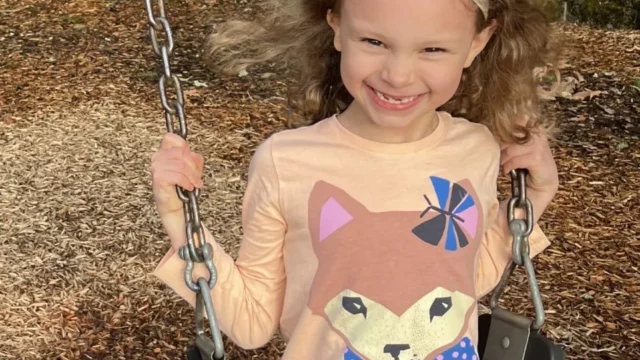
However, the technology is only one piece of the puzzle. The "human element" involves the training of caregivers and the provision of specialized teachers of the deaf. In Marna’s case, the combination of technological intervention and the supportive pedagogical framework at Listen and Talk allowed her to build a strong foundation of self-advocacy. This includes the ability to manage her equipment, communicate her needs in noisy environments, and participate fully in demanding extracurricular activities like soccer, softball, and swimming.
Broadening the Scope: The Alumni Family Giving Campaign
As Marna thrives in her current educational setting, the broader implications of her success are being channeled into the 2026 Alumni Family Giving Campaign. This initiative is not merely a fundraising effort; it represents a data-driven model of sustainability for non-profit speech and language services. By leveraging the successes of "alumni" families, the organization aims to demonstrate the long-term return on investment for early intervention.
The economic and social implications of these programs are substantial. When children with hearing loss receive high-quality early intervention, they are statistically more likely to enter mainstream classrooms, pursue higher education, and participate in the workforce with fewer accommodations. By contrast, a lack of access to such services can lead to significant educational delays, which often require more costly public special education resources later in a child’s life.
Perspectives on Future-Proofing Pediatric Hearing Care
The vision that "no child is limited by hearing loss" serves as the driving mission for the current advocacy efforts. The campaign highlights a shift in how society views deafness: moving away from the medical model—which views hearing loss solely as a deficit to be corrected—toward a holistic model that emphasizes potential, agency, and community.
"The goal is to move beyond mere functional hearing," notes an advocate familiar with the program’s outcomes. "We are looking at the development of the whole child—their confidence, their ability to lead, and their integration into the community at large."
For families currently navigating a new diagnosis, the success of individuals like Marna acts as a benchmark. The narrative surrounding the Alumni Family Giving Campaign serves to normalize the use of assistive technology and, more importantly, to emphasize that with the right support, the limitations once associated with deafness are increasingly becoming obsolete.
Analysis: The Necessity of Sustainable Funding
The reliance on private donations for these specialized services underscores a gap in the broader healthcare and education systems. While state-mandated newborn hearing screenings have become standard, the therapeutic support required to maximize the outcomes of those screenings is often underfunded. The Alumni Family Giving Campaign functions as a vital bridge, ensuring that families from diverse backgrounds can access the same level of care that allowed Marna to reach her current milestones.
The impact of these funds is categorized into three primary pillars:
- Professional Development: Ensuring that teachers and therapists remain at the forefront of audiological and pedagogical research.
- Infrastructure: Maintaining the specialized classrooms that are equipped with advanced sound-field systems designed for children with cochlear implants.
- Family Support Services: Providing the emotional and logistical support that is required for parents to effectively participate in their child’s linguistic development.
Conclusion: A Legacy of Communication
As Marna continues her education, she represents a growing cohort of children who are breaking barriers through a combination of early medical intervention, dedicated parental involvement, and specialized educational programs. The 2026 Alumni Family Giving Campaign is the next chapter in this organizational story, aimed at ensuring that the resources available to Marna remain accessible to the next generation.
The success of the LSL model, as evidenced by Marna’s life at "full volume," provides a clear roadmap for the future. By investing in the formative years, society does not just provide a child with the ability to hear; it provides them with the ability to articulate their own identity, advocate for their needs, and engage fully with the world around them. As the organization looks toward the future, the focus remains clear: sustaining the services that transform a diagnosis into a launchpad for lifelong achievement. The campaign serves as a reminder that the path to success for a child with hearing loss is built, brick by brick, through intentional, early, and consistent support.