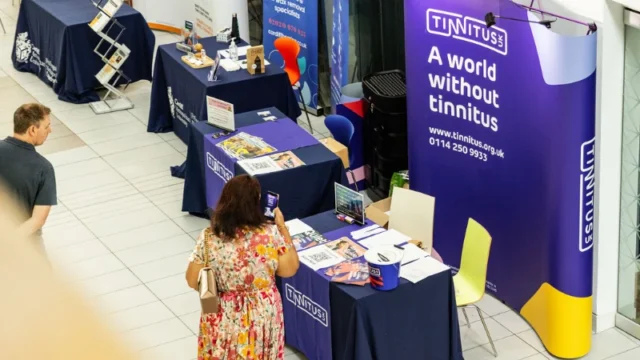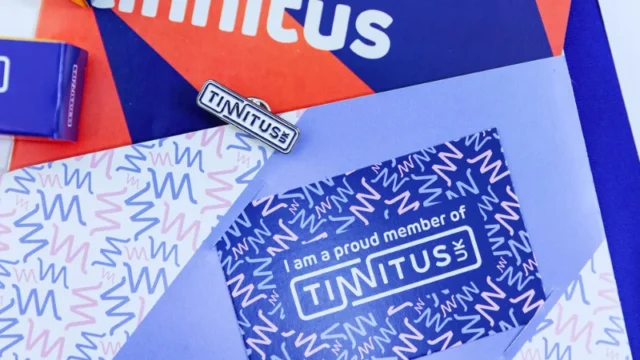
The Scale of the Challenge: Hearing Health in the Music Industry
To understand the necessity of this partnership, one must examine the prevalence of auditory conditions within both the general population and the music community. Clinical data indicates that approximately one in seven adults in the UK lives with some form of tinnitus—a persistent ringing or buzzing in the ears that can significantly impair quality of life. Within the professional music industry, this figure rises to one in three, reflecting the prolonged, high-intensity exposure to sound that characterizes a career in performance or production.
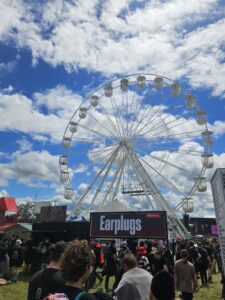
Sound exposure is consistently ranked by public health authorities as a leading, yet entirely preventable, cause of permanent hearing loss and auditory damage. Despite the ubiquity of high-volume environments, hearing protection has historically been viewed as an optional accessory rather than an essential piece of equipment. The initiative at Download Festival was designed to challenge this cultural inertia, positioning the use of earplugs as a normative behavior, comparable to the use of sunscreen or hydration at outdoor events.
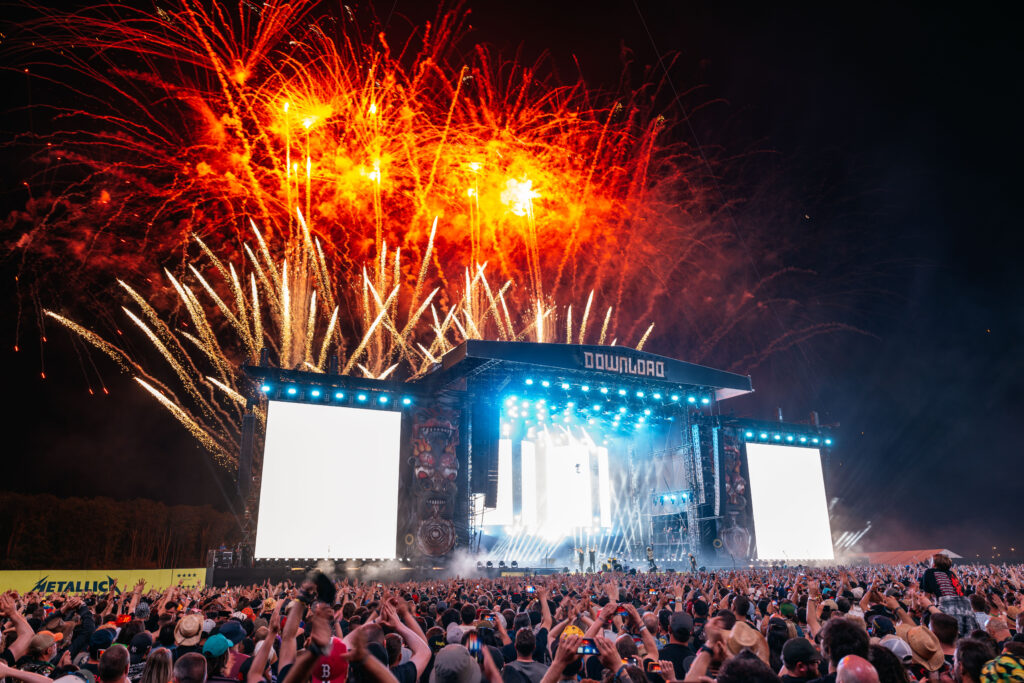
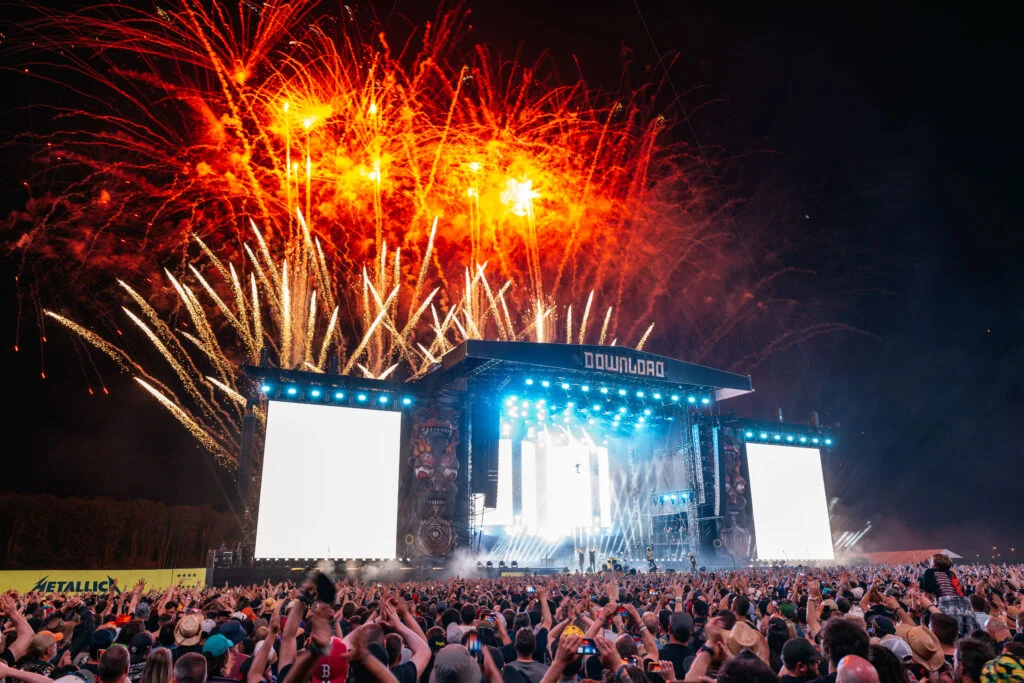
Chronology of an Initiative: From Policy to Practice
The integration of Tinnitus UK’s mission into the Download infrastructure was the culmination of months of logistical planning and cross-departmental coordination with Live Nation. The timeline of this engagement followed a deliberate, multi-phase approach:
- Strategic Alignment (Pre-2026): Building on the success of Tinnitus Week 2026, stakeholders identified a need for physical presence at large-scale events to bridge the gap between digital awareness campaigns and real-world behavior.
- Infrastructure Development: In the weeks preceding the festival, organizers finalized plans for the provision of free, accessible hearing protection across the site, ensuring that cost or availability would not be a barrier to entry for fans.
- On-Site Implementation: Throughout the duration of the 2026 festival, the partnership facilitated direct engagement between hearing health experts, touring artists, and the fan base.
- Data Synthesis and Reflection: Following the event, the campaign transitioned into an analysis phase, gathering feedback from performers and attendees to refine future advocacy models for other major music festivals.
Industry Perspectives: The Shift in Artistic Mindset
Perhaps the most compelling aspect of the festival engagement was the testimony provided by artists who have navigated the realities of hearing damage firsthand. The interviews conducted during the weekend revealed a profound shift in how musicians manage their exposure.
Alice of Lake Malice, an artist who balances the intensity of live performance with the need for recovery, noted the utility of low-stimulation environments, such as ASMR and quiet time, alongside the technical necessity of professional-grade moulded in-ear monitors. This sentiment was echoed by Becca of Marmozets, who observed that the culture surrounding hearing protection has matured significantly. "We’ve been doing this a while, and now we really understand the importance of hearing protection," she remarked, noting that she now keeps earplugs on her person at all times, treating them as a fundamental part of her touring kit.
The narrative of "learning the hard way" emerged as a recurring theme among veteran performers. Foley, the drummer for As It Is, provided a stark warning based on his own experience with perforated eardrums. His account of visiting an audiologist, who compared his auditory profile to that of a patient with a degenerative condition, serves as a sobering reminder of the long-term impact of unprotected sound exposure. The consensus among the artists present was clear: while the exhilaration of performing is central to their vocation, the preservation of their hearing is a prerequisite for a sustainable career.
Analytical Implications: Why Protection Matters
The involvement of professional creators—including influencers and mental health advocates like Robyn Ward (The Metal Therapist)—helped to de-stigmatize the use of protective gear. By framing earplugs not as a hindrance to the music experience, but as a "stylistic choice" or a "necessity for longevity," the campaign successfully utilized social influence to shift perceptions.
From an analytical standpoint, the success of this partnership demonstrates that festival attendees are increasingly receptive to health-centric messaging when it is delivered in a non-intrusive, supportive environment. The implementation of British Sign Language (BSL) interpretation and the installation of hearing loops at key locations further cemented the festival’s commitment to accessibility, proving that hearing health is a multifaceted issue that extends beyond mere volume reduction.
Broader Impact: Normalizing Hearing Safety
The long-term implications of this initiative for the UK music sector are substantial. By demonstrating that a high-profile festival can successfully host such a program without disrupting the immersive experience of the event, Tinnitus UK and Live Nation have established a new blueprint for event management.
The data gathered during the event suggests that when protective gear is made visible and accessible, uptake increases significantly. This suggests that the "afterthought" status of hearing protection is not due to a lack of interest among fans, but rather a lack of infrastructure. As other festival organizers observe the success of the Download model, it is anticipated that similar protocols will be adopted industry-wide.
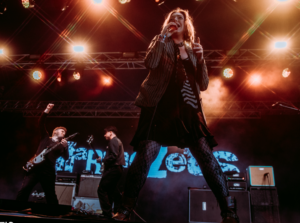
Furthermore, the integration of hearing health into the discourse of major rock and metal festivals carries a symbolic weight. These genres are traditionally associated with volume and raw energy; by embedding hearing safety into the heart of this culture, the message reaches a demographic that might otherwise be less inclined to engage with preventative health initiatives.
Looking Toward a Sustainable Future
The collaboration between Tinnitus UK and Download Festival is not an isolated experiment but a sign of a broader cultural evolution. As the industry moves forward, the integration of hearing health into the standard operational requirements of live music events is becoming an ethical imperative.
The goal is a future where the choice to wear earplugs is viewed with the same level of nonchalance as wearing a wristband—a standard, expected, and respected part of the festival experience. By fostering these conversations, ensuring the availability of resources, and leveraging the voices of respected artists, Tinnitus UK is effectively bridging the gap between the necessity of clinical health and the joy of the live music experience.
The success of the 2026 initiative provides a roadmap for future advocacy. It proves that the music community is resilient, adaptable, and increasingly conscious of the necessity to protect the very senses that allow them to experience the art form they hold so dear. As the industry continues to recover and expand in the post-pandemic era, the commitment to the physical well-being of its participants will likely define the next generation of festival culture. The partnership at Download has set a high bar, signaling that while the music must remain loud, the conversation about safety must be louder still.