The Critical Window for Early Intervention
Medical research consistently demonstrates that the first three years of a child’s life represent a critical window for neurological development, particularly in the acquisition of language and communication skills. According to the Joint Committee on Infant Hearing (JCIH), children who receive intervention services before six months of age demonstrate significantly better receptive and expressive language outcomes compared to those who receive support later.
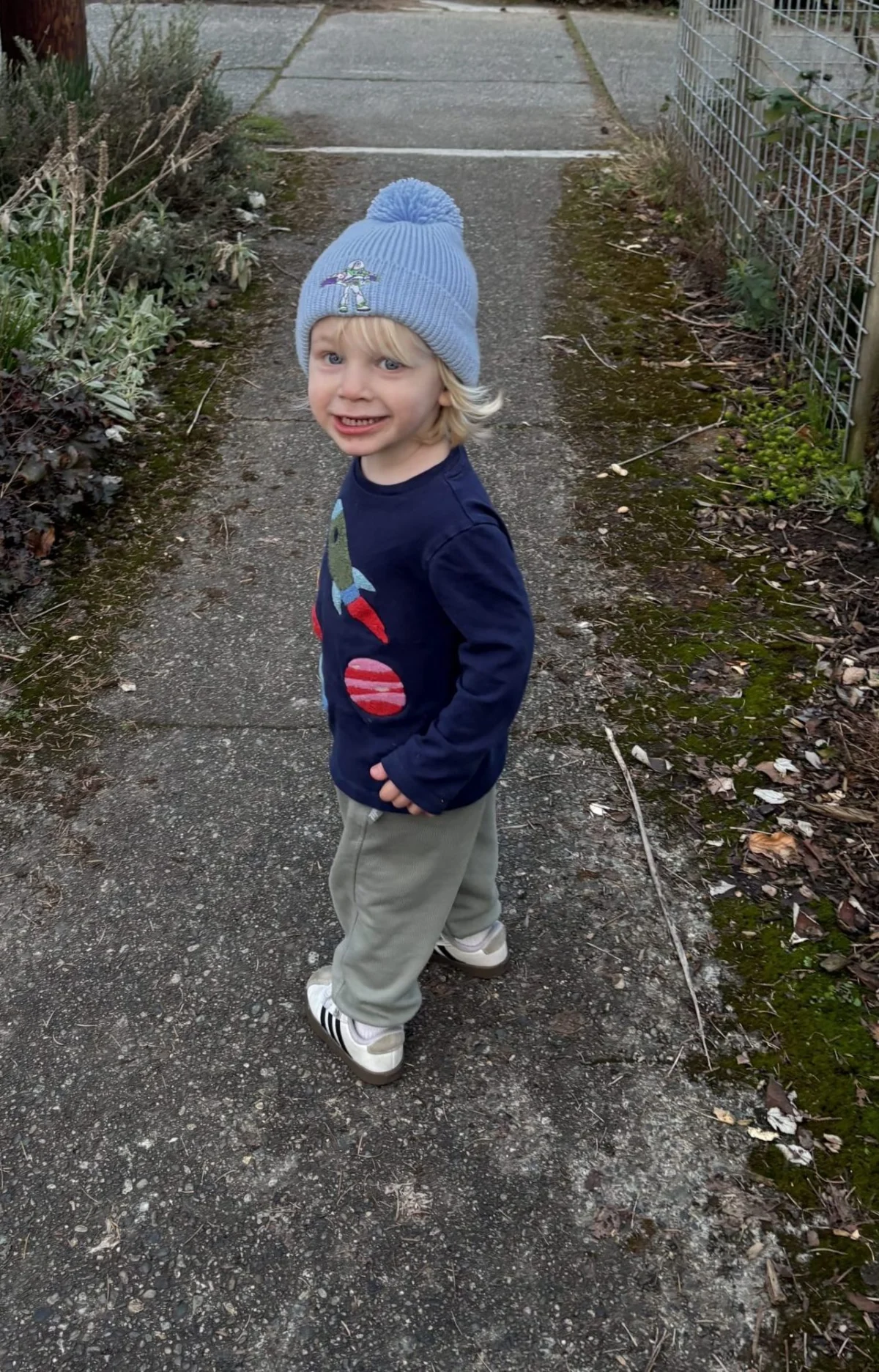
Landon’s experience aligns with these findings. His parents initiated services with Listen and Talk, a specialized organization focused on auditory-based education, when he was only three months old. This proactive approach allowed the family to transition from a period of high-stress medical testing to a structured, developmental framework. By the time Landon reached 17 months, he was fitted with hearing aids, which provided the necessary amplification to access higher frequency sounds—such as the sibilant "s" or the ambient sound of running water—that were previously inaccessible to him.
A Chronology of Care and Development
The trajectory of Landon’s development highlights the importance of multi-faceted support. The following timeline outlines the evolution of his care:
- Birth to Two Months: Initial screening and diagnostic phase. Identification of the genetic mutation involving the STRC and CATSPER2 genes.
- Three Months: Commencement of early intervention services with Listen and Talk. Introduction of a Birth to Three program specialist to provide home-based support.
- 17 Months: Successful fitting of hearing aids, marking a significant milestone in auditory accessibility.
- Preschool Years: Integration into a blended classroom setting, combining specialized auditory-based instruction with peer-led socialization.
During these formative years, the role of his specialist, Meghan, was instrumental. Beyond technical instruction regarding hearing aid troubleshooting and language-rich reading techniques, the specialist provided essential emotional support to Landon’s parents. This holistic model of intervention, which treats the family as a unit rather than focusing solely on the child, is widely recognized by pediatric audiologists as the gold standard for long-term success.
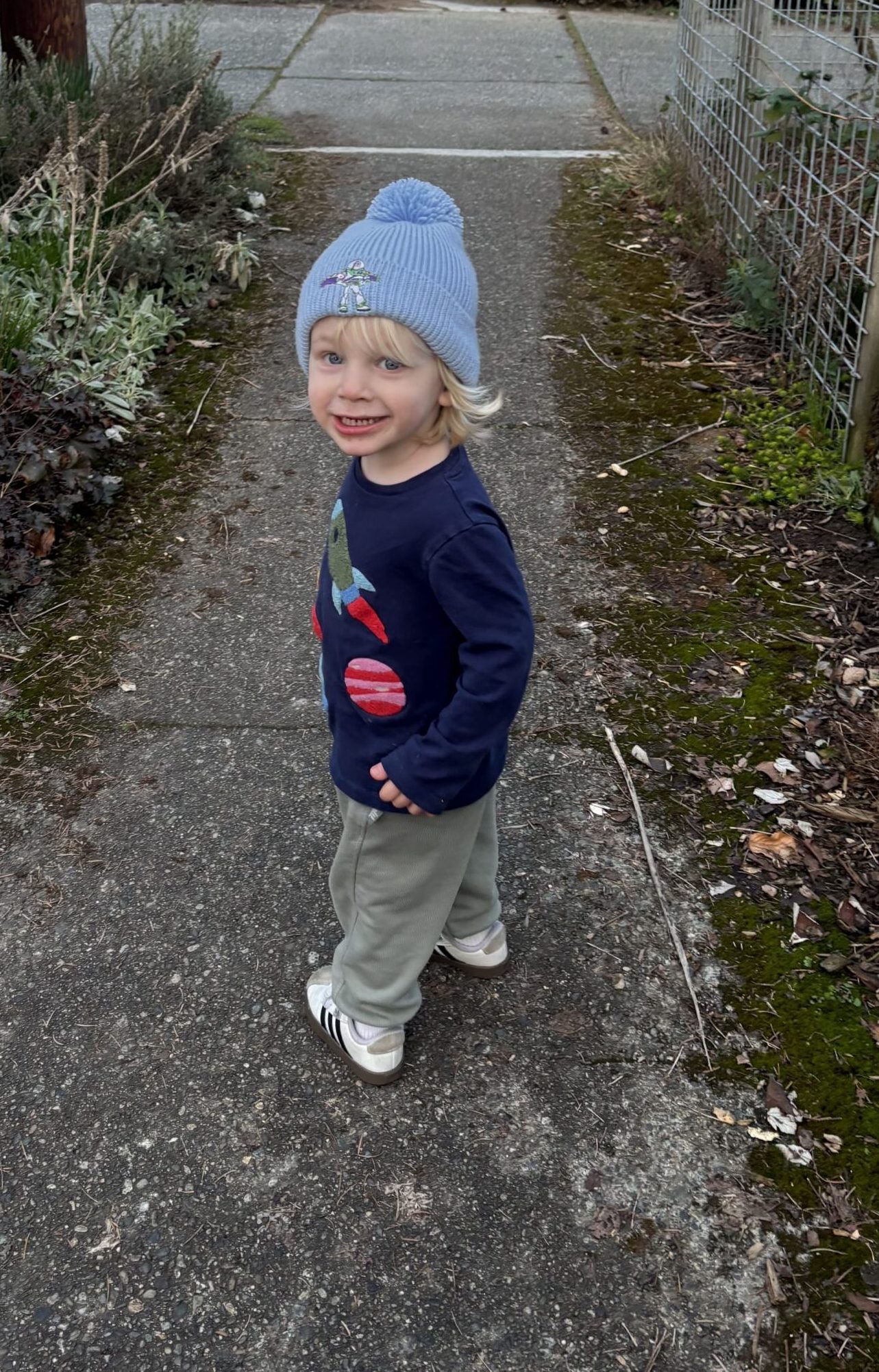
The Blended Classroom Model: Fostering Advocacy and Inclusion
A key component of Landon’s progress has been his participation in a "blended classroom." This educational model integrates children with hearing loss alongside typically hearing peers. This environment is designed to be "auditory-rich," meaning it is specifically engineered to minimize background noise and optimize speech clarity.
For children like Landon, the blended classroom serves as a training ground for self-advocacy. By interacting with hearing peers, children learn to navigate communication challenges in real-time. Teachers are trained to implement specific strategies, such as ensuring the student is positioned closest to the instructor, managing ambient noise levels, and recognizing signs of "hearing fatigue"—a condition where the effort of processing sound becomes physically and mentally draining.
The development of these advocacy skills is essential for the transition into elementary school. As children with hearing loss move into more complex social and academic landscapes, the ability to clearly articulate their needs to teachers, coaches, and peers ensures that their disability does not become a barrier to academic achievement.
Data-Driven Progress and Linguistic Growth
The efficacy of early intervention is often measured by qualitative and quantitative gains in vocabulary and articulation. Through consistent audiological monitoring and longitudinal assessment, Landon’s progress has been tracked to ensure that his hearing devices remain calibrated to his specific needs.
Recent assessments have shown that Landon’s vocabulary acquisition has surged, and his articulation has seen measurable improvement. These gains are not isolated incidents but are indicative of the broader success rates associated with auditory-verbal therapy. According to the National Institute on Deafness and Other Communication Disorders (NIDCD), children who receive high-quality early intervention are more likely to attend mainstream schools and participate in extracurricular activities at levels comparable to their hearing peers.
Institutional Support and the Role of Social Impact Enterprises
Organizations like Listen and Talk operate as social impact enterprises, filling the gap between medical diagnosis and educational implementation. Their funding models often rely on a combination of charitable donations, grants, and public-private partnerships. These resources are critical for maintaining the high staff-to-student ratios required for effective speech therapy and audiometric testing.

The financial burden of hearing loss—which includes the cost of hearing aids, regular audiological assessments, and specialized therapy—can be prohibitive for many families. Charitable contributions directly subsidize these costs, ensuring that socioeconomic status does not dictate a child’s developmental outcome. These funds support:
- Diagnostic Services: Ensuring rapid access to pediatric audiology.
- Parent Education: Training caregivers to reinforce linguistic and auditory strategies at home.
- Therapeutic Intervention: Providing ongoing, individualized speech-language pathology sessions.
Implications for Future Policy and Education
Landon’s story underscores the necessity of universal newborn hearing screening and the subsequent infrastructure required to support families post-diagnosis. As the medical community continues to refine genetic testing and hearing aid technology, the focus must remain on the human element: the specialists, parents, and educators who translate technical support into a child’s ability to interact with the world.
The long-term implications of robust early intervention are profound. Children who are empowered through these programs are better equipped to navigate a world that is not always designed for them. By fostering an environment where advocacy and accessibility are normalized, organizations like Listen and Talk are working toward a vision where "no child is limited by hearing loss."
For policymakers and educators, the takeaway is clear: the earlier the intervention, the more profound the long-term societal and individual benefits. As Landon continues his education, his journey remains a testament to the fact that with the right resources and a supportive network, the challenges posed by hearing loss can be effectively managed, allowing children to reach their full potential. The continued support of such programs is an investment in the communicative future of the next generation.