
The Physics of Noise and Sporting Environments
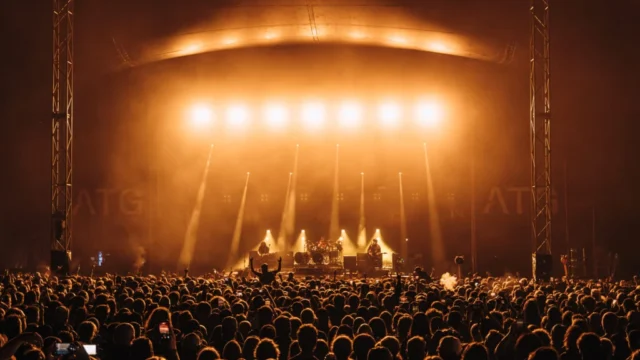
During a typical football match, ambient noise levels, fueled by crowd surges, goal celebrations, and stadium audio systems, routinely reach 110dB. According to current audiological standards, an exposure of 110dB is safe for no more than one minute and 42 seconds. Beyond this timeframe, the potential for permanent damage to the hair cells in the cochlea increases exponentially. Similarly, a bustling pub or a fan zone, where acoustics are often compromised by hard surfaces that reflect sound, can reach average levels of 106dB. In such settings, the "safe" window of exposure shrinks to a mere three minutes and 45 seconds before the risk of temporary or permanent threshold shifts becomes a clinical reality.
A Chronology of Sound Exposure in Sports
The history of spectator sports is inherently linked to the escalation of noise. In the early 20th century, football matches were defined by the collective roar of a crowd. However, as stadiums evolved into massive, enclosed, or semi-enclosed architectural structures, the acoustic properties shifted. The introduction of stadium-wide sound systems, synthetic turf which lacks the sound-dampening qualities of natural grass, and the increased use of artificial noisemakers like air horns and vuvuzelas—famously prominent during the 2010 World Cup in South Africa—have fundamentally altered the sonic landscape of the game.
In recent years, the sports industry has seen a push toward higher engagement through high-decibel audio experiences. However, the rise of "stadium-level" noise has coincided with increased reports of tinnitus and noise-induced hearing loss among frequent attendees. For many, the whistling in their ears, or "tinnitus," which lingers long after the final whistle blows, is the first indication of auditory distress. While often dismissed as a minor post-match annoyance, this sensation is frequently the body’s alarm signal that cumulative damage has occurred.
The Impact of Noise on Public Health
The medical community has long warned that hearing loss is not merely an inconvenience but a significant public health issue. Noise-induced hearing loss is cumulative and permanent. The hair cells within the inner ear, once damaged, do not regenerate. When a fan spends several hours in a high-decibel environment, they are subjecting their auditory system to a form of trauma that can manifest as immediate temporary threshold shifts or, over the long term, permanent sensorineural hearing loss.
Furthermore, the social implications are profound. Tinnitus, a condition often exacerbated by high-volume events, can lead to chronic sleep disturbances, anxiety, and social withdrawal. For those who prioritize the social experience of the World Cup, the challenge lies in balancing the communal aspect of the sport with the necessity of preventative health measures. Health experts argue that the goal is not to discourage attendance but to normalize the use of protective equipment, much like wearing sunscreen at a beach or seatbelts in a car.
Strategic Prevention: Tips for the Modern Fan
For spectators attending live matches, the implementation of protective measures is critical. High-fidelity earplugs, which are engineered to attenuate volume while maintaining sound clarity, are currently the most effective defense. Unlike standard foam plugs that muffle sound and degrade the quality of the commentary or the atmosphere, high-fidelity options reduce the decibel load uniformly, allowing the fan to hear the roar of the crowd without the harmful intensity.

For those watching in crowded pubs or fan zones, the strategy should involve acoustic management. Fans are advised to maintain distance from primary speakers, which often act as localized sources of dangerous sound pressure. In indoor environments, choosing a seat away from the bar’s sound system and avoiding areas with high levels of reverberation—such as narrow corridors or spaces with concrete ceilings—can significantly lower the decibel burden.
If a match is being hosted in a domestic setting, the same principles apply. Even in the comfort of a home, television volume is often cranked up to replicate the intensity of the stadium. Managing the sound levels of the viewing area, ensuring proper distance from speakers, and taking "auditory breaks"—stepping into a quiet room for five to ten minutes every hour—can significantly reset the ears’ tolerance levels.
Official Responses and Advocacy
Leading advocacy groups, such as Tinnitus UK, have spent the duration of the tournament emphasizing that one does not need to sacrifice their social life to protect their hearing. The organization has focused its messaging on the idea that awareness is the first step toward preservation. By promoting the use of earplugs and encouraging fans to be cognizant of their surroundings, they aim to shift the culture of sports fandom from one of silent endurance to one of proactive protection.
Notable figures in the sports broadcasting world have also begun to lend their voices to this cause. Former TV sports broadcaster Kirsty Gallacher, for example, has leveraged her platform to raise awareness about the risks of untreated hearing issues in the sporting sector. Similarly, community-level advocacy, such as the work being done by the Nottingham Forest Disabled Supporters Association (DSA), highlights how inclusion and accessibility in sports must include the needs of those with hearing impairments or those seeking to prevent future damage.

Broader Implications for Future Events
As the World Cup progresses and the global community looks toward future tournaments, the discourse surrounding stadium acoustics is likely to evolve. There is a growing call for sports venues to implement "quiet zones" or provide accessible hearing protection at entry points. While such measures are currently in their infancy, the recognition that sound is a key component of the stadium experience—but not one that should come at the cost of long-term health—is gaining traction among policy makers and sports governing bodies.
The analysis of current trends suggests that as the population ages and the prevalence of noise-induced hearing loss increases, the hospitality and sports industries will face increased pressure to provide safer environments. This could include the retrofitting of venues with sound-dampening materials or the introduction of stricter volume limits on stadium public address systems.
Conclusion
The World Cup remains one of the most unifying spectacles in human history. The shared experience of cheering for a team, the collective gasps of a missed penalty, and the thunderous applause of a victory are memories that millions will cherish for a lifetime. Ensuring that these memories remain vivid and that the accompanying physical sensations remain healthy is a responsibility shared by organizers and fans alike.
By adopting simple, science-backed strategies—such as utilizing high-fidelity earplugs, maintaining a safe distance from high-intensity sound sources, and recognizing the limitations of human auditory endurance—fans can participate in the festivities with confidence. The goal is to ensure that when the final trophy is lifted, the cheers are heard clearly, and the long-term health of every fan remains intact. For those seeking additional support or guidance, resources such as the Tinnitus UK helpline (0800 018 0527) and their associated digital platforms offer critical assistance for anyone concerned about their hearing health during this or any other high-volume sporting event.