A Partnership Built on Shared Precision
The synergy between the NFPA—a global self-funded nonprofit organization—and professional motorsports is rooted in a shared commitment to risk mitigation and performance standards. Since the inception of their collaboration in 2023, the two entities have sought to bridge the gap between technical code compliance and public awareness.
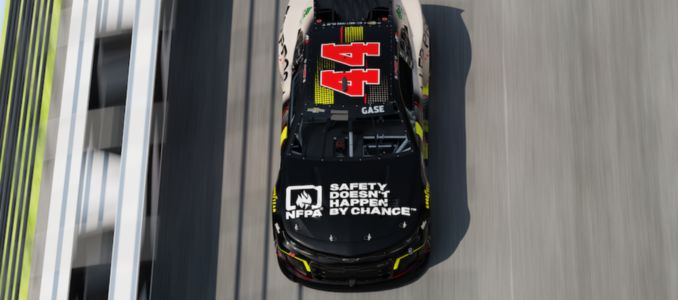
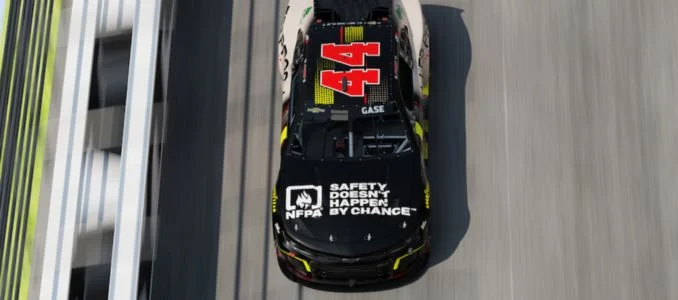
For Gase, the partnership extends beyond mere branding. Racing, by its very nature, is a pursuit defined by the mitigation of extreme hazards. Just as the NFPA develops consensus-based standards to prevent catastrophic fire and electrical events, the NASCAR community relies on stringent safety engineering to protect drivers in environments where speeds regularly exceed 190 miles per hour. By carrying the NFPA message on the track, Gase acts as a high-profile ambassador for the unsung heroes of public safety: the engineers, inspectors, and code officials who maintain the invisible guardrails of modern society.
The Evolution of the Safety Doesn’t Happen By Chance Campaign
The "Safety Doesn’t Happen By Chance" initiative was launched as a response to a concerning trend: the public often views building and fire codes as bureaucratic hurdles rather than essential lifelines. The NFPA recognized that to shift this perception, it needed a platform capable of reaching millions of households simultaneously.
The campaign focuses on several core tenets:

- Consensus-Based Development: Educating the public on how codes are formed through a collaborative process involving experts, industry stakeholders, and the public, rather than through unilateral mandates.
- Everyday Application: Highlighting that safety standards apply not only to massive commercial high-rises but to the electrical wiring in private residences, the emergency exits in local shopping centers, and the fire suppression systems in schools.
- Resilience in the Face of Change: Addressing how evolving technology—such as lithium-ion battery storage and green energy retrofits—requires constant updates to existing safety protocols.
Contextualizing the Need for Code Advocacy
The urgency of the NFPA’s mission is underscored by the current political and economic climate. As construction costs rise and developers look for ways to streamline projects, established safety standards are increasingly being challenged by interest groups seeking to bypass traditional consensus-based guidelines in favor of reduced regulations.
Industry analysts note that when codes are weakened, the long-term cost to society—in terms of loss of life, property damage, and insurance premiums—far outweighs the short-term savings of deregulation. The NFPA’s presence at the Coke Zero Sugar 400 is not merely a marketing exercise; it is a defensive maneuver intended to ensure that the public remains aware that the stability of their built environment is contingent upon the integrity of these standards.
Data-Driven Safety: The Impact of NFPA Standards
To understand the significance of this advocacy, one must look at the data. According to NFPA research, the implementation of modern fire codes has been directly responsible for a drastic reduction in fire-related fatalities over the last five decades. In the 1970s, fire-related deaths were significantly higher than current figures, despite a growing population and more complex building environments.

The NFPA’s National Electrical Code (NEC), for instance, is adopted in all 50 states and is widely considered the benchmark for electrical safety. When electrical codes are strictly followed, the incidence of residential fires caused by faulty wiring decreases by approximately 30 percent. Furthermore, the mandatory installation of interconnected smoke alarms, a standard heavily promoted by the NFPA, has been shown to increase the chance of survival in a residential fire by more than 50 percent.
The challenge lies in maintaining these statistics as building materials become more synthetic and homes become more energy-intensive. The "Safety Doesn’t Happen By Chance" campaign serves as a necessary reminder that these safety margins are not static; they require ongoing investment and public vigilance.
Perspectives from the Field
While the NFPA emphasizes the technical necessity of its standards, the organization has also begun to solicit feedback from the front lines of safety—fire marshals, building inspectors, and first responders.

"The visibility that Joey Gase provides is invaluable," noted an industry spokesperson familiar with the campaign. "Most people don’t think about the fire sprinkler system in their hotel or the integrity of the wiring behind their walls until something goes wrong. By integrating our message into the excitement of a NASCAR weekend, we are moving the conversation out of boardrooms and into the living rooms of the American public."
The perspective of the racing community is similarly positive. NASCAR drivers are acutely aware of the regulatory frameworks that govern their sport. The adoption of the Next Gen car, which incorporated significant safety advancements in chassis design and energy-absorbing materials, serves as a testament to the idea that technical standards are the bedrock of performance. For Gase, driving a car that represents public safety is a natural extension of the professional discipline required to excel at Daytona.
Chronology of the NFPA-NASCAR Collaboration
- Early 2023: Initial discussions between the NFPA and racing representatives to find a unique platform for public safety education.
- Mid-2023: Launch of the formal partnership, featuring Joey Gase as the primary spokesperson and brand ambassador for the NFPA’s public outreach.
- Late 2023: Successful integration of safety messaging during the playoffs, reaching a multi-million viewer demographic.
- August 2026: Continued partnership at the Coke Zero Sugar 400, focusing on the critical importance of maintaining consensus-based codes amidst growing pressure from deregulation advocates.
Broader Implications and Future Outlook
The implications of this partnership extend far beyond the racetrack. As the United States faces aging infrastructure and the challenges posed by climate-related disasters, the role of NFPA standards is becoming increasingly pivotal. Fire departments are reporting higher call volumes related to new technologies—such as the thermal runaway events associated with electric vehicle batteries—which necessitates a more agile and scientifically grounded approach to code development.

By leveraging the reach of NASCAR, the NFPA is effectively building a "safety-literate" public. When citizens understand that fire codes are not obstacles, but rather essential tools for community resilience, they are more likely to support legislation and local ordinances that prioritize these standards.
Looking forward, the NFPA plans to expand its digital footprint, using the content generated during the Daytona weekend to drive traffic to their educational portals. The organization intends to provide resources for homeowners, business owners, and local policymakers to help them navigate the complexities of building safety.
Conclusion: The Race for Resilient Infrastructure
As Joey Gase takes the green flag at the Coke Zero Sugar 400, the NFPA message serves as a reminder that safety is an ongoing competition against risk. In the same way that a team must constantly refine its car to remain competitive, society must constantly refine its codes to remain safe. The collaboration between the NFPA and NASCAR is a sophisticated attempt to ensure that the public remains informed, engaged, and supportive of the standards that keep the nation’s homes, offices, and infrastructure functioning safely. Through this high-speed partnership, the NFPA continues to prove that while accidents may occur, the mitigation of disaster is a deliberate, calculated, and essential process.