Defining the Condition: A Congenital Reality
Microtia and atresia (MA) are congenital anomalies that occur during the first trimester of pregnancy. Microtia is clinically graded on a scale of one to four, ranging from a slightly smaller-than-normal ear to complete anotia, where the outer ear structure is entirely absent. Atresia frequently accompanies microtia, as the same developmental processes involved in forming the outer ear are also responsible for the external auditory canal.
When MA affects only one side of the head, it results in unilateral hearing loss (UHL) or single-sided deafness (SSD). For decades, the medical establishment often minimized the impact of unilateral hearing loss, operating under the assumption that the presence of one "typical" ear was sufficient for normal language acquisition and academic performance. Contemporary research, however, has debunked this assumption, revealing that the brain requires binaural input—information from both ears—to effectively process complex auditory environments.
The Developmental Implications of Unilateral Hearing Loss
The challenges faced by children with UHL are distinct and often misunderstood. The primary difficulty lies in the loss of binaural summation, which allows the brain to process sounds more effectively and quietly. Without this, children with UHL struggle significantly with sound localization—the ability to identify where a sound is coming from—and speech discrimination in the presence of background noise.
In a standard classroom setting, the acoustic environment is rarely ideal. The presence of HVAC systems, shifting chairs, and the ambient chatter of peers creates a "noise floor" that makes it exceptionally difficult for a student with UHL to isolate the teacher’s voice. This phenomenon often leads to listening fatigue, a state where a child expends significantly more cognitive energy than their peers just to maintain comprehension. Over time, this constant effort can lead to academic underperformance, social withdrawal, and increased levels of anxiety in group settings.
Chronology of Care: The Adeline Case Study
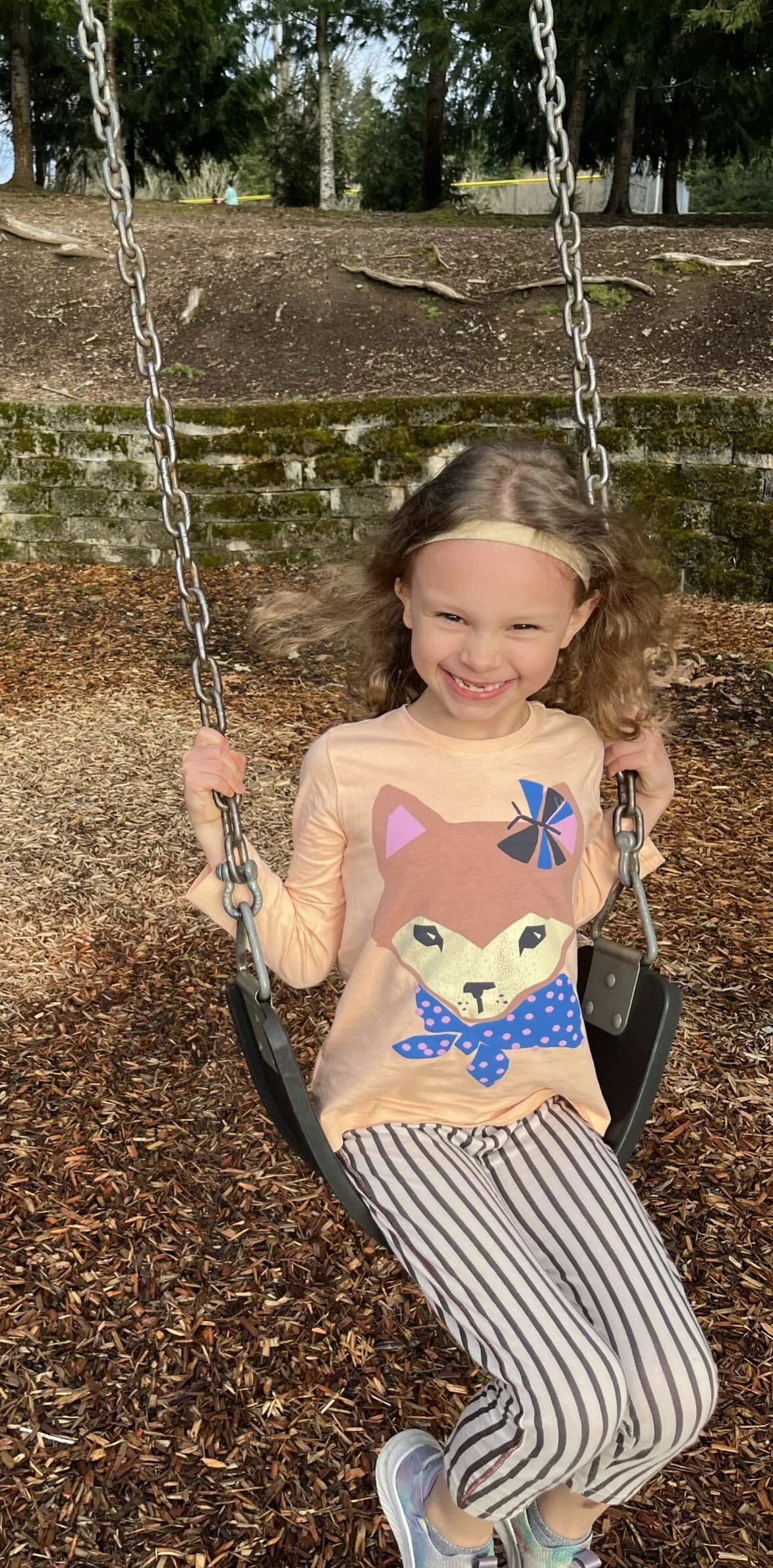
The journey of families navigating an MA diagnosis often begins with the newborn hearing screening. In the case of Adeline, a student who has become a focal point for advocacy at the Listen and Talk organization, the diagnosis occurred when she was just five weeks old. Her parents were informed that she possessed unilateral moderate to severe conductive hearing loss.
As Adeline reached age four, subsequent imaging revealed that the area beneath her outer ear consisted of solid bone, with the ossicles—the tiny bones of the middle ear—fused to the skull. This anatomical reality solidified the diagnosis of atresia. For her mother, Jessie, the initial period was defined by the overwhelming nature of navigating specialized medical systems and educational interventions.
The timeline of her progression illustrates the efficacy of early intervention. By engaging with Listening and Spoken Language (LSL) services, Adeline moved from a child who avoided communication in non-safe spaces to a thriving first-grade student. Today, at six years old, she demonstrates the success of early advocacy; she participates in school choirs and possesses the self-advocacy skills necessary to explain her Ponto hearing technology to her peers.
The Role of Listening and Spoken Language (LSL)
Listening and Spoken Language (LSL) is a therapeutic framework that emphasizes the development of the brain’s ability to interpret sound. Rather than relying on visual cues or sign language, LSL focuses on maximizing residual hearing through advanced amplification, such as bone-conduction devices, paired with intensive auditory training.
The educational approach at institutions like Listen and Talk is multi-faceted. It involves:
- Auditory Skill Development: Training the child to detect, discriminate, and identify sounds in varying environments.
- Parent Coaching: Empowering parents to become the primary facilitators of their child’s language development by creating auditory-rich home environments.
- Self-Advocacy Training: Equipping the child with the vocabulary and confidence to inform teachers and peers about their unique hearing needs.
Clinical data suggests that children who receive early, consistent LSL intervention show significantly higher language scores compared to those who do not receive specialized auditory support. By the time a child reaches school age, these skills serve as a buffer against the negative impacts of UHL, allowing the student to remain integrated within mainstream educational settings.
Broader Impact and Systemic Change
The implications of National Microtia Atresia Awareness Day extend beyond individual diagnosis; they challenge the systemic approach to pediatric hearing health. Audiologists and educators are increasingly advocating for "early access," which includes not only medical intervention but also social and emotional support for the family unit.
Data from the American Speech-Language-Hearing Association (ASHA) suggests that roughly 1 in every 6,000 to 12,000 infants is born with microtia. Given these statistics, the need for standardized, accessible support networks—such as Washington Hands and Voices or specialized centers like Listen and Talk—is critical. These organizations serve as bridges between the medical diagnosis and the practical, daily realities of education and social integration.
Furthermore, the shift toward public awareness has spurred advancements in bone-conduction technology. Modern devices are smaller, more discreet, and offer superior connectivity to digital devices, which allows children to integrate these tools into their lives with greater ease and less social stigma.
Future Directions for Advocacy and Funding
The path forward for children with microtia atresia is one of integration. However, achieving this requires sustained funding and institutional support. Programs like those offered by Listen and Talk rely heavily on philanthropic contributions to bridge the gap between insurance-covered clinical visits and the comprehensive educational support necessary for long-term success.
Funding is currently directed toward three core pillars:
- Early Intervention (Birth to Three): The most critical window for neuroplasticity and language development.
- Parent Education: Reducing the "knowledge gap" that parents often feel when first receiving a diagnosis.
- Educational Outreach: Training public school teachers to accommodate students with UHL, ensuring that no child is excluded from the curriculum due to an invisible hearing challenge.
As society becomes more attuned to the needs of individuals with diverse sensory experiences, the narrative surrounding microtia and atresia is changing. It is moving away from a narrative of "correction" and toward a narrative of "empowerment." By providing the right tools, education, and advocacy, the limitations previously associated with hearing loss are being systematically dismantled.
The goal, as stated by advocates and families alike, is a world where no child is limited by their hearing loss. This mission requires a concerted effort from the medical community, educators, and the public to remain informed, to support research, and to advocate for the necessary resources that allow every child to find their voice and participate fully in the world around them. As Adeline’s journey demonstrates, the foundation built in the early years of life is the primary determinant of future confidence, academic success, and social integration. Today, as we recognize the challenges of MA, we also celebrate the resilience of those who, with the right support, turn those challenges into opportunities for growth and connection.