Understanding the Clinical Landscape of ANSD
Auditory Neuropathy Spectrum Disorder is a complex hearing condition characterized by a disconnect between the inner ear and the auditory nerve. Unlike sensorineural hearing loss, where the hair cells in the cochlea fail to convert sound into electrical signals, ANSD often involves a functional cochlea but a disrupted transmission of signals to the brain. According to the National Institute on Deafness and Other Communication Disorders (NIDCD), this disruption can lead to difficulties in speech perception, particularly in environments with significant background noise.
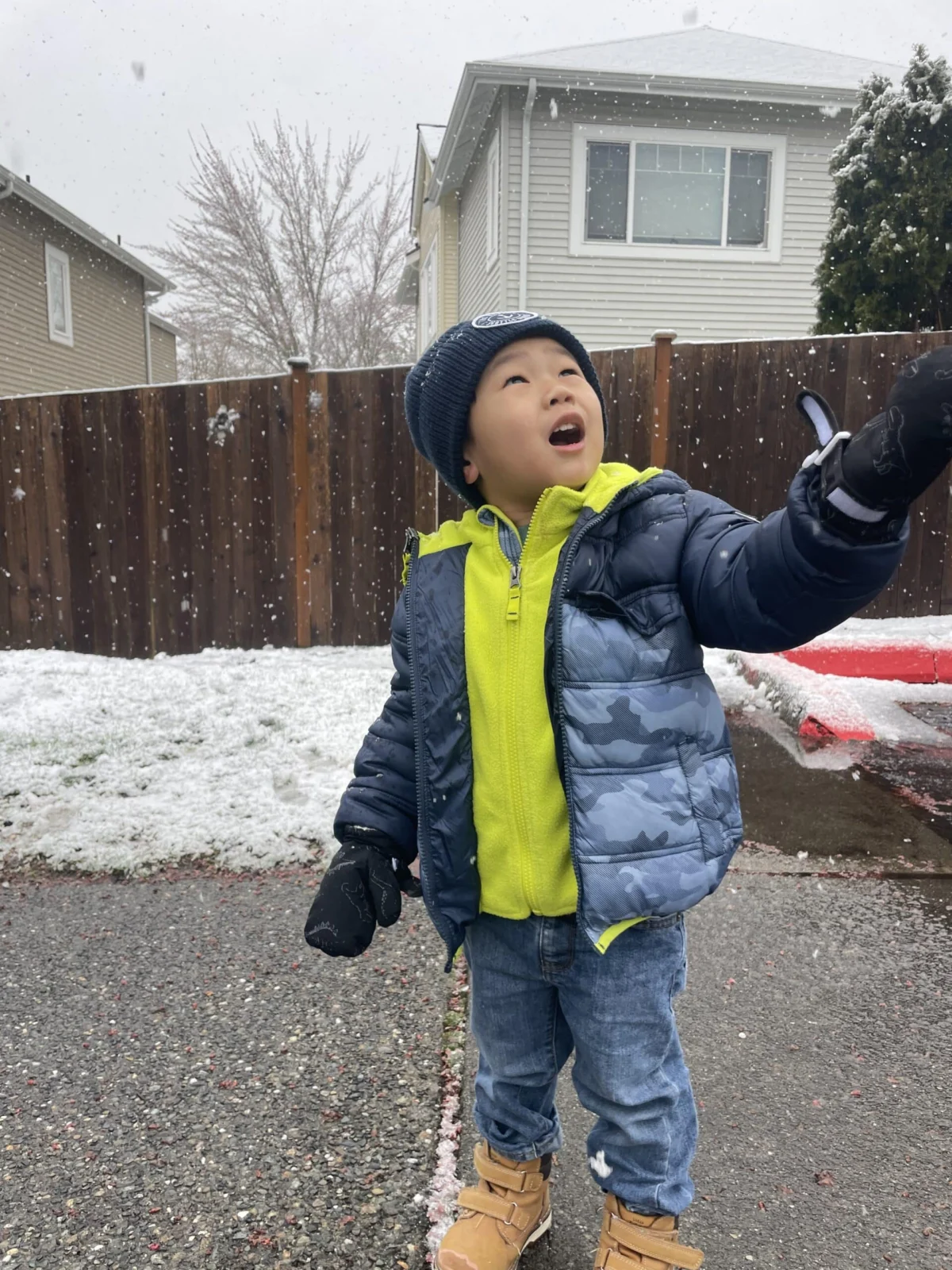
For children like Raiden, whose journey serves as a primary example of this clinical reality, the diagnosis shortly after birth presented a multifaceted challenge. With moderate to severe hearing loss at specific frequencies, his developmental progress—particularly in speech and communication—faced initial hurdles. The clinical consensus among pediatric audiologists is that the earlier the intervention, the higher the probability of positive outcomes in language acquisition. This includes the use of amplification devices, such as hearing aids or cochlear implants, paired with auditory-verbal therapy designed to stimulate neural pathways.
The Chronology of Intervention: A Strategic Approach
The decision-making process for parents facing an ANSD diagnosis often involves a careful weighing of traditional schooling against specialized therapeutic environments. For the family of the child in question, the transition to the Listen & Talk Blended Classroom was not an immediate choice, but one born of thorough research and facility assessment.
In the autumn preceding the current academic year, the family transitioned away from a local preschool setting to engage with the Blended Classroom model. This transition highlights a critical trend in special education: the preference for "blended" environments where children with hearing loss are integrated with typically hearing peers. This model aims to simulate real-world social environments while providing the necessary "pull-out" services, such as specialized speech-language pathology, that are essential for long-term development.
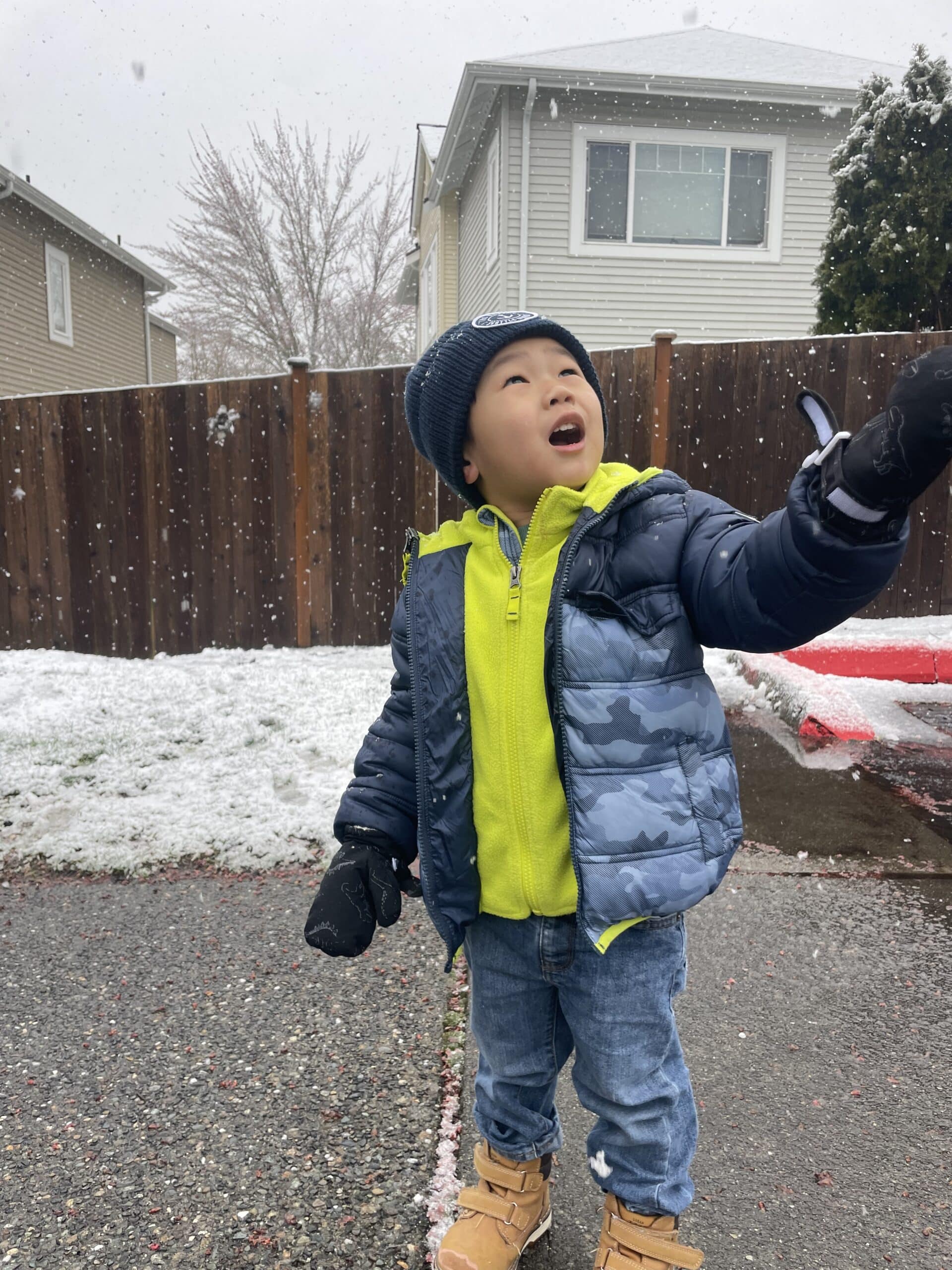
The timeline of progress for Raiden demonstrates the efficacy of this approach. Within months of enrollment, his family reported a marked increase in the consistency of hearing aid utilization. Beyond physical compliance, the child’s linguistic output transitioned from rudimentary one-to-two-word phrases to more complex three-to-four-word structures. This shift is statistically significant in the context of early childhood development, as it indicates a rapid expansion of receptive and expressive language skills that might have been stunted without targeted auditory support.
The Role of Auditory-Rich Educational Environments
The Blended Classroom at institutions like Listen & Talk functions as a microcosm of society, designed specifically to facilitate auditory development. These classrooms are equipped with advanced hearing amplification technologies, including sound-field systems that ensure speech signals remain clear regardless of the teacher’s distance from the student.
Fact-based analysis of these environments suggests that for a child with hearing loss, the most significant barrier to learning is often the "signal-to-noise ratio." In a standard classroom, the ambient noise generated by peers, HVAC systems, and movement can mask the teacher’s voice. In a blended, auditory-rich environment, these variables are controlled. Furthermore, the presence of typically hearing peers serves as a normative model for language development, fostering a naturalistic approach to social interaction and communication.
Advocacy and the Empowerment of the Family Unit
A key component of the pedagogical strategy at Listen & Talk is the emphasis on student and parental advocacy. Advocacy in this context refers to the child’s ability to recognize when they are not hearing clearly and to request the necessary adjustments, such as asking a peer or teacher to repeat information or verifying the function of their hearing technology.
Research indicates that children who are empowered to advocate for their hearing needs early in their development are significantly more likely to succeed in mainstream K-12 settings. By fostering these skills in a safe environment, the program ensures that children can transition into broader social and academic spheres with the confidence to access information. For parents, this shift is equally transformative; it turns the role of the caregiver from that of a passive observer of medical interventions to an active participant in their child’s educational strategy.
Broader Implications for Public Health and Education
The success observed in specialized settings has broader implications for public policy regarding early intervention. The early diagnosis of conditions like microtia, atresia, and ANSD requires a robust infrastructure of screening, testing, and therapy. As the population of children identified with hearing loss grows due to improved neonatal screening, the demand for high-quality, evidence-based educational models increases.

Economic and social impact analyses suggest that investing in early childhood intervention yields a substantial return. Children who receive timely support are more likely to achieve age-appropriate literacy and numeracy benchmarks, reducing the long-term reliance on remedial services in the later stages of their education. Furthermore, the integration of parent education classes—a staple of the Listen & Talk model—ensures that the learning does not end when the school day concludes. By equipping families with the techniques to manage ear defensiveness and support speech at home, these programs bridge the gap between clinical settings and daily life.
The Future of Pediatric Audiology Support
As technology continues to evolve, the tools available for the hearing impaired are becoming increasingly sophisticated. However, technology remains only one piece of the puzzle. The human element—the dedicated faculty, the compassionate peer groups, and the informed, proactive parents—remains the primary driver of success.
The vision that "no child is limited by hearing loss" represents an aspirational target for the broader educational community. Achieving this vision requires sustained funding and a commitment to maintaining the specialized services that facilitate such growth. Through public-private partnerships and the support of social impact enterprises, institutions can continue to provide the necessary diagnostic and therapeutic resources that allow children with auditory challenges to reach their full potential.
In summary, the trajectory of children diagnosed with ANSD is deeply influenced by the environment in which they learn and the support they receive at home. By prioritizing early diagnosis and consistent, evidence-based intervention, families can navigate the complexities of hearing loss with greater success. The progress demonstrated by students in blended classroom environments stands as a testament to the fact that with the right support, children with hearing loss can engage, communicate, and thrive in a world designed for sound. The ongoing commitment to funding these critical programs remains essential for ensuring that future generations have the tools they need to succeed, regardless of their hearing status.