A Chronology of Diagnosis and Early Action
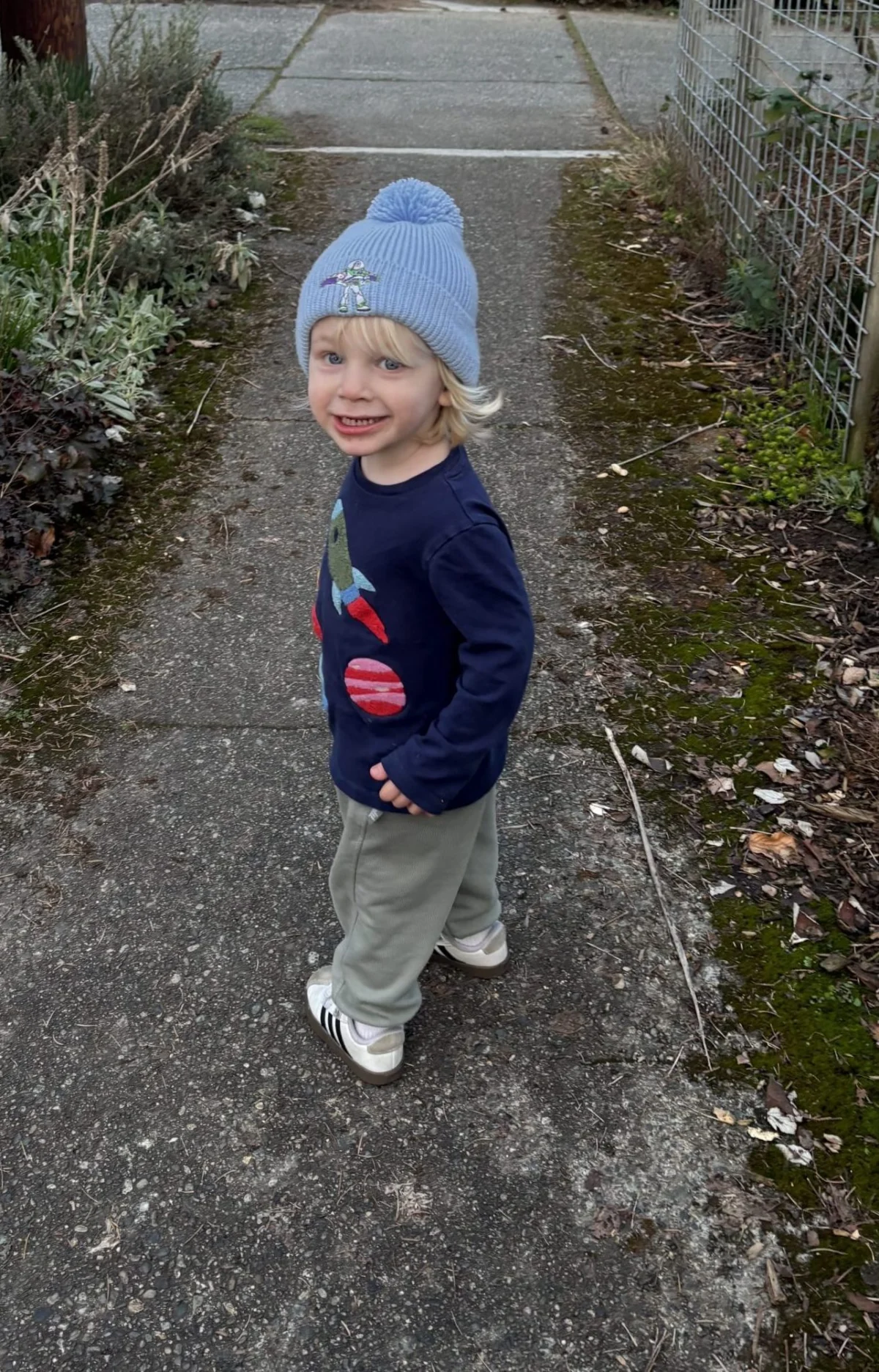
Landon’s journey began shortly after birth when he failed his newborn hearing screening. This initial result triggered a series of diagnostic evaluations, a process that many families describe as both rigorous and emotionally taxing. By two months of age, clinical testing provided a definitive diagnosis: a genetic mutation involving the deletion of both the STRC (stereocilin) and CATSPER2 genes.
The STRC gene is critical for the proper functioning of hair cells in the inner ear, which translate sound vibrations into electrical signals for the brain. The deletion of these genes creates specific challenges in accessing higher-frequency sounds—such as the sibilant "s" or the ambient white noise of running water—which are essential for speech perception and language acquisition. By the time Landon reached 17 months, he was fitted with hearing aids to bridge these auditory gaps.
For his family, the transition from diagnosis to action was facilitated by Listen and Talk, an organization that specializes in the auditory-verbal approach. Starting at just three months old, Landon began receiving Birth to Three program services. This early integration allowed the family to move from a state of medical uncertainty to a structured educational roadmap, encompassing everything from hearing aid maintenance to complex speech-sound development techniques.
The Science of Early Intervention
According to the American Speech-Language-Hearing Association (ASHA), the "critical period" for language development occurs before the age of three. When children with hearing loss receive intervention before six months of age, their developmental outcomes—particularly in vocabulary and articulation—are statistically comparable to their hearing peers.
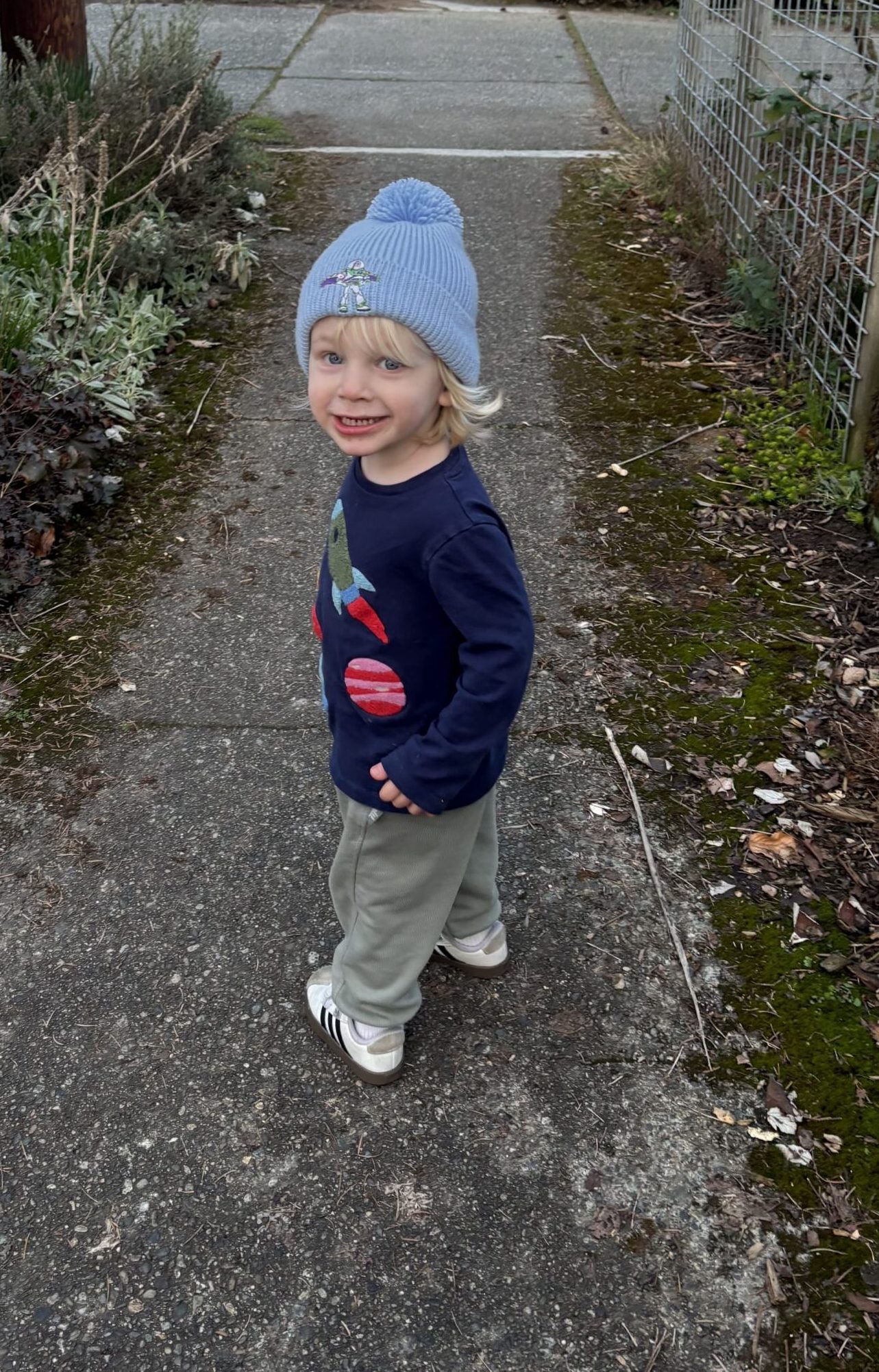
Listen and Talk’s model focuses on this window of opportunity. By providing home visits that extend beyond the child to include parents and teachers, the program creates a "total immersion" environment. In Landon’s case, his specialist, Meghan, functioned as a bridge between his home life and his preschool classroom. This support included environmental modifications—such as positioning Landon closer to the teacher and managing ambient noise levels—which are essential for mitigating "listening fatigue," a common phenomenon where children with hearing loss expend significantly more cognitive energy to process speech than those with typical hearing.
The Role of the Blended Classroom
A significant component of Landon’s success is attributed to the "Blended Classroom" model. This educational structure integrates children with hearing loss into the same environment as typically hearing peers, but with an auditory-rich focus. Research suggests that this model fosters peer-to-peer socialization while simultaneously providing a safe space for children to practice self-advocacy.
In these classrooms, students are periodically pulled out for individualized speech therapy, ensuring that their specific needs are met without isolating them from the standard academic curriculum. This duality is vital; it prepares the child for the realities of the mainstream K-12 education system. By developing advocacy skills—such as asking a teacher to repeat an instruction or explaining their hearing aid needs—children like Landon are equipped to navigate environments where specialized support may not always be readily available.
Broader Implications and Institutional Impact
The systemic impact of such programs extends far beyond the individual child. Organizations like Listen and Talk operate as social impact enterprises, filling the gap between medical diagnostics and educational implementation. Data from the Centers for Disease Control and Prevention (CDC) indicates that approximately 1.7 per 1,000 infants are born with permanent hearing loss. Without intervention, these children are at a significantly higher risk for delayed language development, which can lead to long-term academic and social challenges.
The financial and societal implications of early intervention are well-documented. Investing in pediatric audiology, speech therapy, and parent education yields a high return on investment by reducing the long-term reliance on special education resources and increasing the potential for academic achievement and future workforce participation.
Furthermore, the involvement of parents as active participants in the therapeutic process is a cornerstone of current best practices. By empowering families with the skills to troubleshoot technology and adapt their home environments, these programs create a sustainable support network that functions 24/7, rather than only during clinical appointments.
Advocacy and Future Directions
As the medical community continues to refine genetic testing and hearing aid technology, the focus of organizations like Listen and Talk is shifting toward the holistic development of the child. This includes fostering the emotional resilience required to navigate a world that is not always designed for those with auditory differences.
For the families navigating these "uncharted waters," the consensus remains clear: early, consistent, and specialized intervention is the most reliable predictor of success. Programs that emphasize not just the mechanics of hearing, but the art of communication, are essential to fulfilling the goal that no child should be limited by their hearing loss.
As the program continues to grow, it relies on a combination of community support and philanthropic contributions to maintain the quality of its speech therapy and diagnostic testing services. These funds are designated for the ongoing maintenance of the Blended Classroom and for providing educational resources to families who might otherwise struggle to access such comprehensive care.
In conclusion, Landon’s progress serves as a testament to the power of specialized, early-stage intervention. Through the integration of genetic understanding, consistent therapeutic support, and inclusive classroom environments, the gap between a diagnosis of hearing loss and a child’s full potential is being bridged, one success story at a time. The commitment to these children remains a vital public interest, ensuring that the next generation of students with hearing loss can engage fully with the world around them.