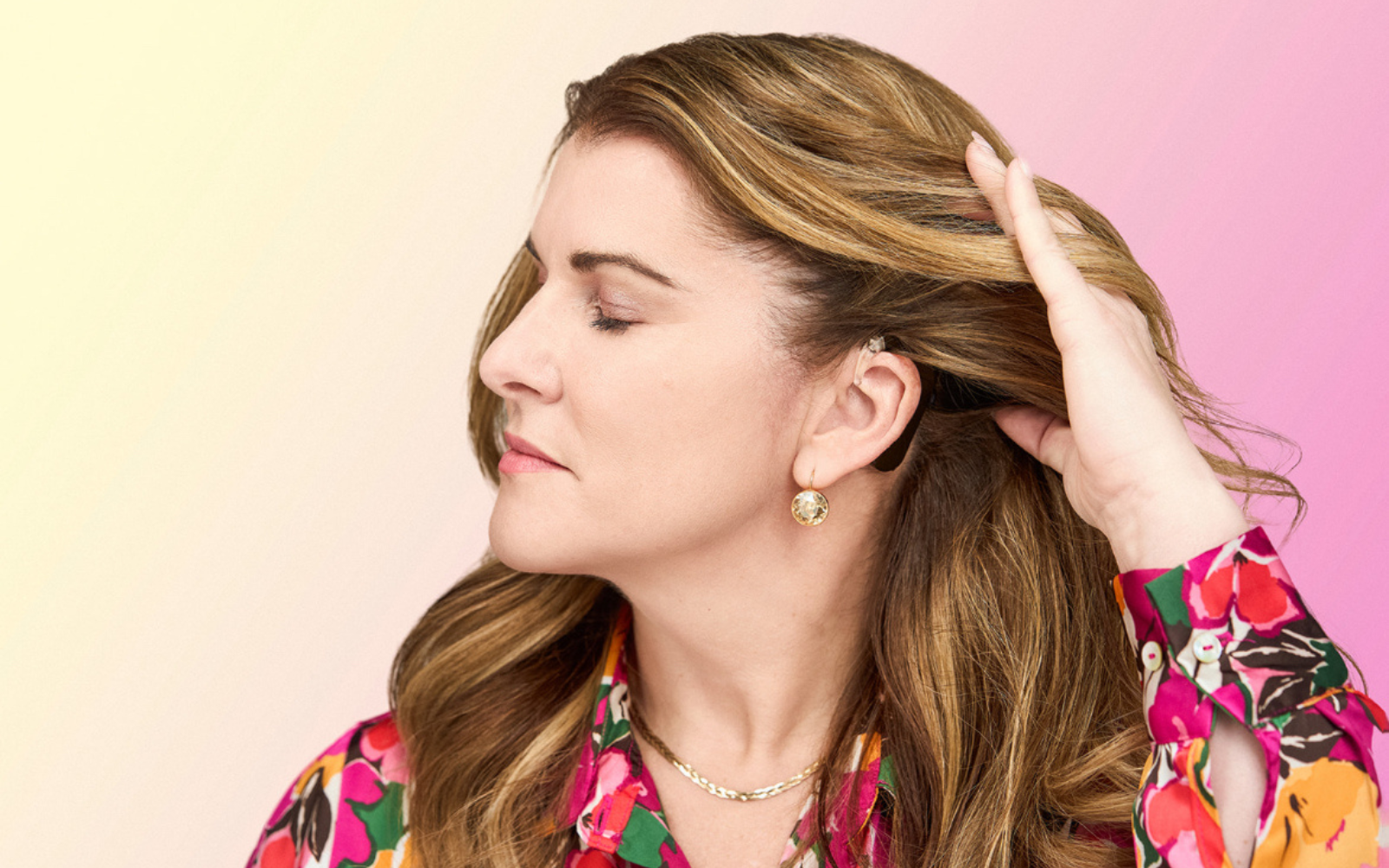
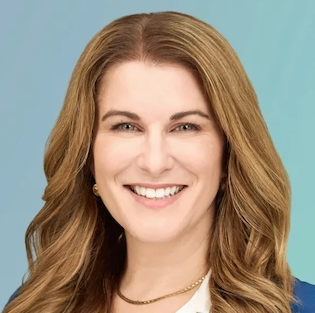
Dr. Brogan, a 50-year-old professional who has dedicated over two decades to her private audiology practice, found her own hearing journey to be the driving force behind her career. Her progressive, hereditary hearing loss, which began to manifest in her teenage years, eventually led her to bilateral cochlear implants in her late thirties. This personal experience has provided her with a unique perspective, allowing her to empathize deeply with her patients’ challenges and advocate for solutions that enhance their quality of life.
A Lifelong Passion for Sound and Activity
Born into a family with a history of hearing loss, Dr. Brogan received her first hearing aids at the age of 18, a step taken after realizing the extent of her auditory challenges, such as being unable to hear passengers in the back seat of her car or struggling with the auditory cues during her competitive Highland dancing performances. Over the subsequent two decades, while navigating the demanding roles of raising two children and building her audiology clinic, her hearing loss continued to progress, rendering hearing aids insufficient. This progression, coupled with the desire for a more profound connection to sound, culminated in her decision to opt for bilateral cochlear implants.
Beyond her professional life, Dr. Brogan has always maintained an exceptionally active lifestyle. Skiing, frequent travel, and a deep appreciation for the outdoors are integral parts of her identity. Crucially, she has always harbored a profound love for water – from swimming and boating to simply enjoying the serene presence of lakes and oceans.
The Water-Related Dilemma: A Two-Decade Struggle
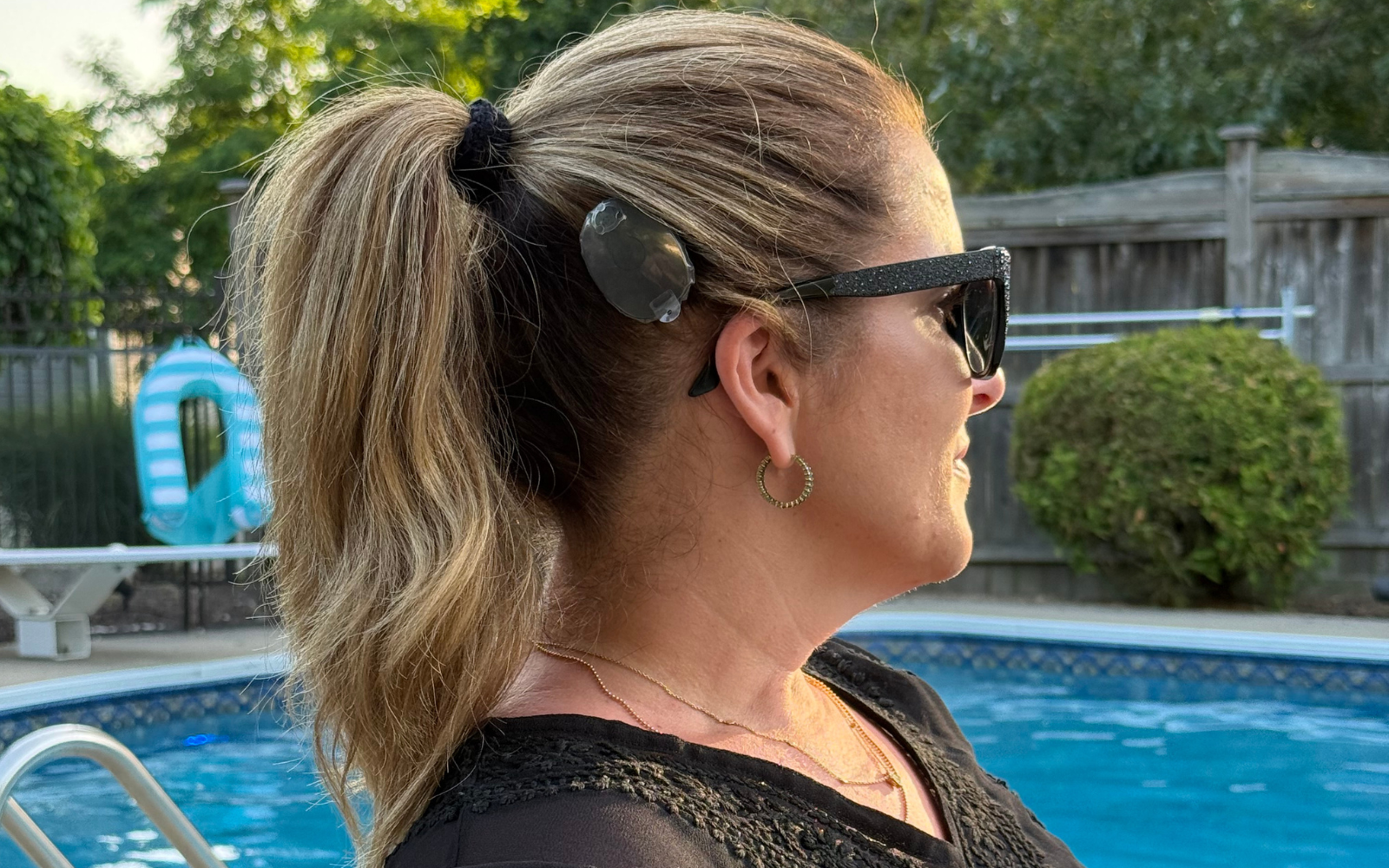
The advent of hearing aids, while beneficial, introduced a significant impediment to Dr. Brogan’s engagement with water. For approximately 20 years, she found herself increasingly avoiding aquatic environments. The primary concern was the potential damage to her hearing aids, a constant source of anxiety. However, the equally pressing fear was the complete loss of auditory input if she removed them. This meant that every beach trip, every boat excursion, and every poolside afternoon was fraught with a difficult choice: protect her devices and disconnect from her surroundings, or risk damaging them while striving to remain connected. This internal conflict, Dr. Brogan recounts, led her to gradually withdraw from many of the activities she once cherished.
The Emergence of a Solution: WaterWear
The landscape of auditory rehabilitation for CI users, particularly concerning water immersion, has seen significant advancements. For many individuals with bilateral cochlear implants, removing both audio processors results in a complete absence of sound, amplifying the isolation during water-based activities. Recognizing this critical need, MED-EL, a leading provider of hearing implant solutions, developed specialized waterproof accessories.
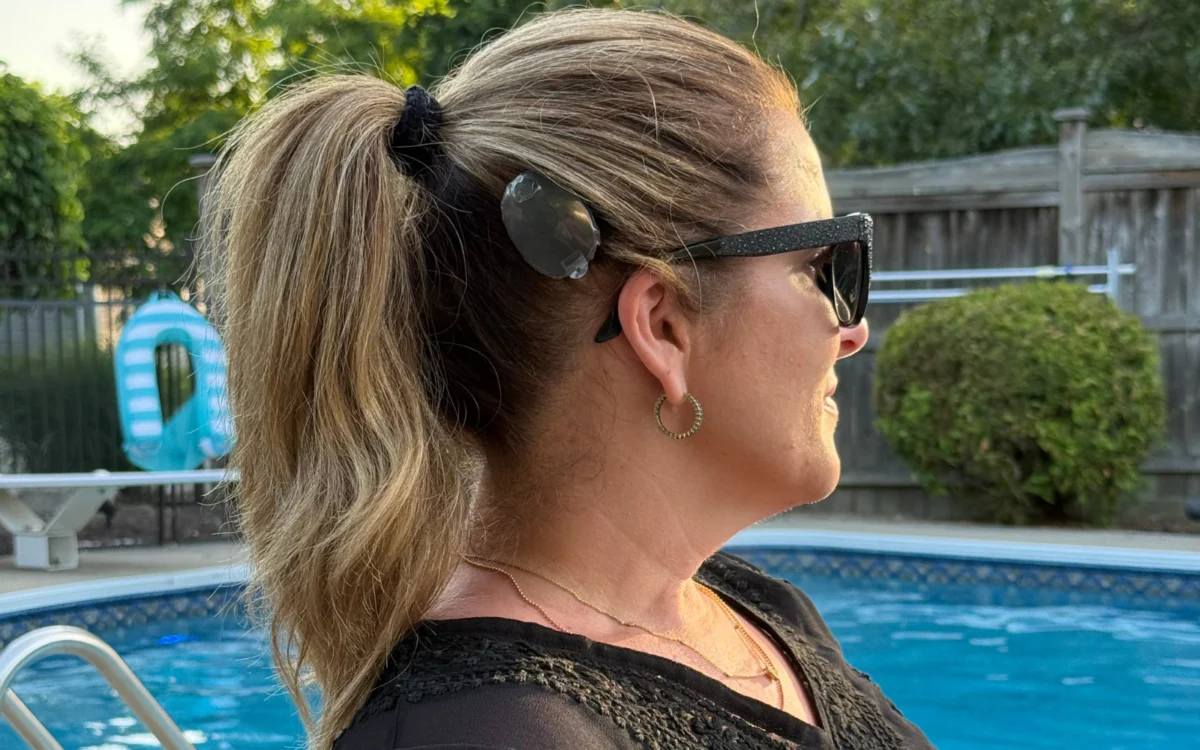
Dr. Brogan’s engagement with MED-EL’s WaterWear accessories marked a turning point in her ability to integrate her hearing technology with her active lifestyle. She describes the initial experience with WaterWear as nothing short of astonishing. "The first time I realized I could actually hear while I was fully submerged was one of the biggest surprises," she stated. This breakthrough allowed her to overcome the long-standing barrier that had previously dictated her participation in water-related events.
Reconnecting with Moments That Matter

The impact of WaterWear on Dr. Brogan’s life extends beyond mere functionality; it has facilitated a profound reconnection with cherished moments and loved ones. She vividly recalls a particular memory of floating in her pool, completely relaxed, while still being able to hear her children’s laughter and the sounds of their splashing. This seemingly simple experience represents a significant return to normalcy and joy, a moment that had been absent for years.
Travel, another passion for Dr. Brogan, has also been fundamentally transformed. WaterWear has become an indispensable travel companion, enabling her to fully participate in a wide array of vacation activities. "WaterWear has completely changed the way I experience vacations," she explained. "I can enjoy hotel pools, hot tubs, beaches, boats, and lakes without constantly thinking about my hearing equipment."
A particularly poignant anecdote involves a family trip to Arizona. While on a speedboat with her daughter wakeboarding behind, the boat stopped to allow everyone to enjoy the lake. Previously, Dr. Brogan would have been an observer on the boat, unable to join in the water. With WaterWear, she could simply jump in and participate alongside her family, a moment that would have been unthinkable just years before.
Beyond Protection: The Multifaceted Benefits of Waterproofing
Dr. Brogan, with her dual perspective as an audiologist and a CI user, frequently encounters individuals who fear that cochlear implants will necessitate the abandonment of water-based hobbies. She understands this apprehension intimately, having experienced it herself. For her, WaterWear has not only provided essential protection for her processors but has also been instrumental in reclaiming activities she had set aside for over two decades.
She emphasizes that such accessories are crucial because they empower individuals to continue living their existing lives rather than being forced to adapt their routines around their hearing technology. Whether engaged in paddleboarding, kayaking, boating, or simply relaxing at the beach, she can now remain fully immersed in the auditory environment. This is not just about enjoyment; it significantly enhances communication and safety. "With WaterWear, I can hear people talking, I can hear the boat, and I can stay connected to conversations," she noted. "That’s enjoyable, but it’s also important for communication and safety."
The Empowerment of Confidence
Perhaps the most significant impact of cochlear implants and WaterWear, according to Dr. Brogan, is the restoration of confidence. This renewed confidence is the bedrock upon which social engagement, exploration, and full participation are built. Instead of holding back due to concerns about hearing, she now feels empowered to embrace new experiences. The transformation from feeling distressed about potential water exposure to feeling confident, connected, and free to enjoy beloved activities with loved ones is profound.
Broader Implications for the Hearing Loss Community
The success of solutions like WaterWear has significant implications for the broader hearing loss community. As audiologists, professionals like Dr. Brogan play a vital role in demystifying hearing implant technology and its associated accessories. The fear that CIs might limit one’s lifestyle is a common misconception that needs to be actively addressed with evidence of how modern technology can, in fact, expand possibilities.
Data from the World Health Organization (WHO) indicates that over 5% of the world’s population, or 430 million people, have disabling hearing loss, with projections suggesting this number will rise to 630 million by 2030. This growing demographic highlights the increasing need for comprehensive solutions that address not just the restoration of hearing but also the integration of this restored hearing into all facets of daily life. Accessories like WaterWear are not merely add-ons; they are integral components of a holistic approach to hearing rehabilitation, enabling individuals to live their lives on their own terms.
The availability of waterproof accessories also supports the WHO’s global initiative to combat hearing loss, which emphasizes access to affordable and quality hearing care services and technologies. By enabling greater participation in social and recreational activities, these technologies contribute to improved mental well-being and reduced social isolation, key factors in overall health.
Expert Insights and Future Outlook
Dr. Brogan’s insights as both a clinician and a user offer valuable perspectives for both potential CI candidates and existing users. Her message is clear: cochlear implants, when paired with appropriate accessories, can open up the world rather than limit it. The ability to ski, cycle, paddleboard, travel extensively, and engage fully with the outdoors, all while maintaining auditory connection, demonstrates the liberating potential of modern hearing technology.
The transformation she has witnessed in her own life and observed in her patients underscores the rewarding nature of her work. As individuals regain lost moments and experience increased connection, confidence, and reduced fear, the impact is palpable. This sentiment is echoed in the frequently asked questions section, where the practicality and far-reaching benefits of WaterWear are further elaborated. For instance, the confirmation that one can indeed hear while swimming, and that the accessory is useful for a multitude of water-related activities beyond just swimming, reassures potential users. The broader applicability to children, families, and various water sports enthusiasts highlights the widespread positive impact such innovations can have.
Conclusion: Embracing a Fuller Life with Advanced Hearing Solutions
Dr. Nashlea Brogan’s story is a powerful testament to the transformative capabilities of modern hearing implant technology and its associated accessories. By overcoming the long-standing fear and practical limitations associated with water, she has not only re-engaged with cherished activities but has also regained a profound sense of confidence and freedom. Her journey serves as an inspiration and a valuable resource for individuals navigating their own hearing loss, illustrating that a life filled with sound, activity, and connection is not only possible but achievable, even in the most aquatic of environments. The continued development and accessibility of such innovative solutions promise to empower more individuals to live their lives to the fullest, without compromise.