The Diagnostic Landscape and Genetic Context
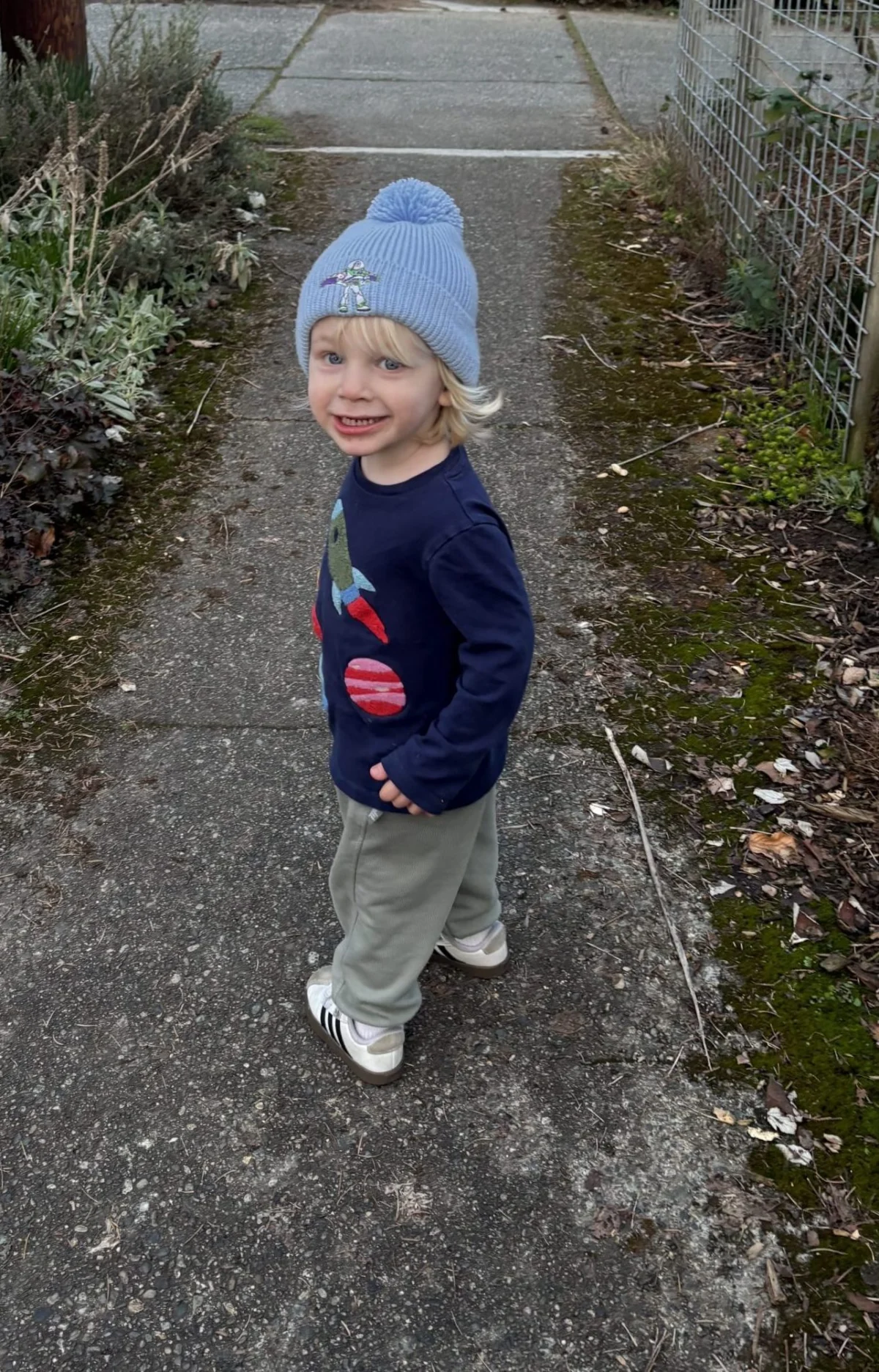
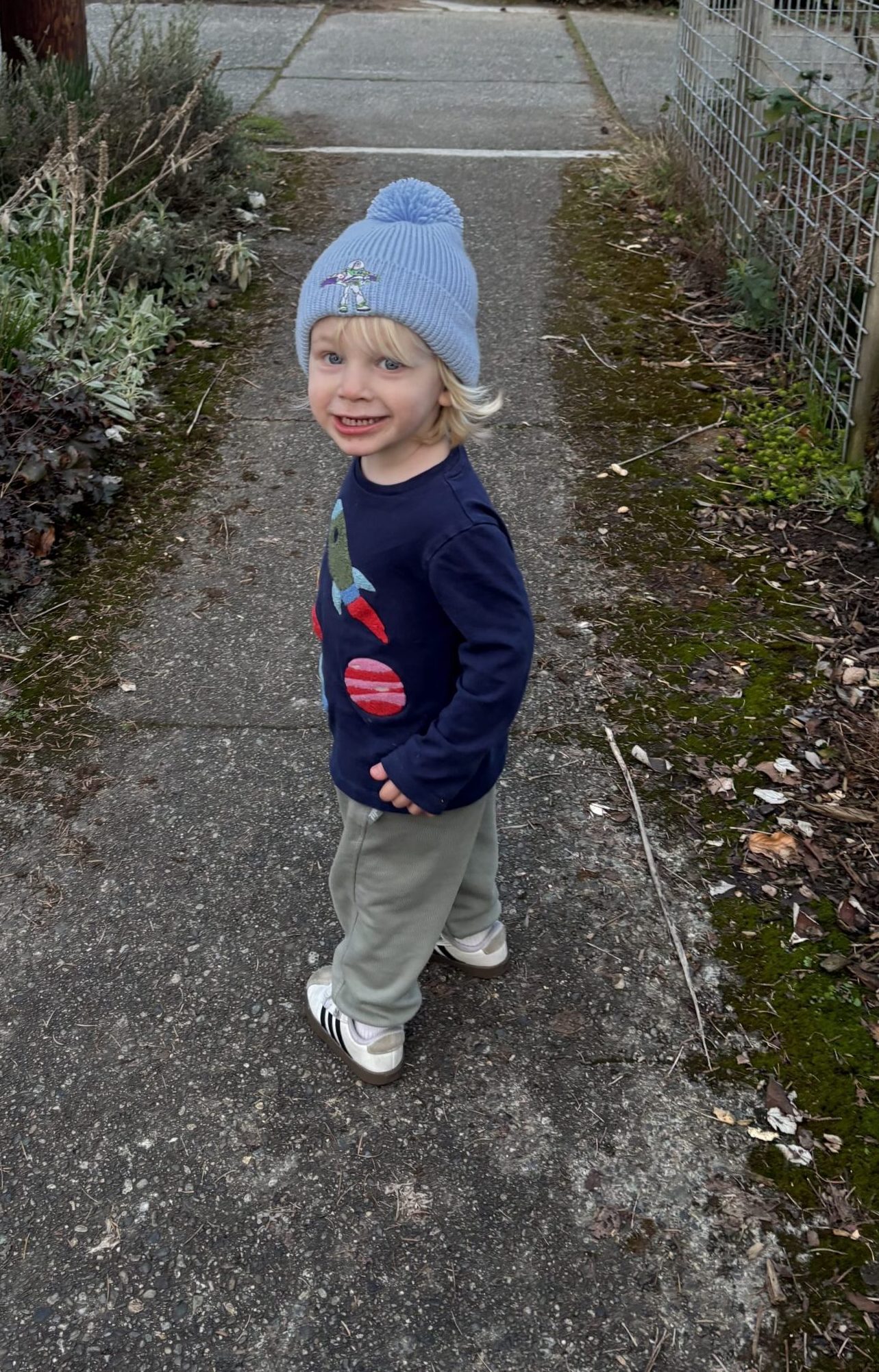
Landon’s path to treatment began following a standard newborn hearing screen, which he did not pass. Subsequent diagnostic testing at a pediatric audiology facility revealed a complex genetic etiology. His condition was identified as being caused by a specific genetic mutation involving the deletion of both the STRC (stereocilin) and the neighboring CATSPER2 genes.
The STRC gene is responsible for producing stereocilin, a protein vital for the proper function of the outer hair cells in the cochlea. When this gene is deleted or mutated, it frequently results in non-syndromic sensorineural hearing loss. This specific type of hearing impairment often creates a "sloping" loss, making it particularly difficult for a child to access higher-frequency sounds, such as the sibilant "s" sound or the ambient noise of running water. For a developing child, these high-frequency cues are foundational for language acquisition and phonetic distinction. Landon’s transition to hearing aids at 17 months represented a critical milestone in normalizing his sensory input, allowing for the amplification of sounds that were previously inaccessible.
A Chronology of Care: From Diagnosis to Preschool
The timeline of Landon’s development mirrors the gold standard for early intervention, a process that aims to begin support services before a child reaches six months of age.
- Birth to Two Months: Initial newborn hearing screening occurs; diagnostic confirmation of bilateral sensorineural hearing loss follows.
- Three Months: Enrollment in the "Birth to Three" program begins. A specialized consultant is assigned to the family, providing emotional support and practical strategies for home-based auditory stimulation.
- Seventeen Months: Initial fitting and consistent use of hearing aids commence.
- Preschool Years: Transition into a "blended" classroom environment, integrating specialized auditory support with standard peer interaction.
The role of the Birth to Three specialist, in this case, a professional named Meghan, extends beyond clinical guidance. For families navigating the immediate aftermath of a diagnosis, the logistical and emotional burden is significant. Specialists provide the "how-to" of audiology—troubleshooting malfunctioning devices, optimizing home environments for better sound reception, and teaching reading techniques that emphasize phonological awareness.
Data and Efficacy in Early Intervention
The efficacy of early intervention is well-supported by clinical data. According to the Joint Committee on Infant Hearing (JCIH), children who receive intervention services by six months of age demonstrate significantly higher language development scores compared to those who do not. Studies indicate that early identification and consistent auditory access allow children with hearing loss to develop language skills—both expressive and receptive—that are comparable to their typically hearing peers by the time they reach school age.
The model utilized by programs like Listen and Talk centers on the "Auditory-Verbal" philosophy. This approach emphasizes the use of technology (hearing aids or cochlear implants) to maximize the child’s residual hearing, training the brain to interpret sound and language rather than relying exclusively on visual cues like sign language.
The Blended Classroom: A Pedagogical Innovation
One of the most significant developments in the education of children with hearing loss is the "blended classroom" model. This environment integrates children with hearing impairments with typically hearing peers. The benefits of this approach are twofold:
- Peer-Led Modeling: Children with hearing loss are exposed to age-appropriate language models from their hearing peers, which accelerates their own vocabulary and syntax development.
- Advocacy Skill Development: By navigating a classroom where ambient noise is present and teachers use specialized communication strategies, children learn to advocate for their own needs.
Strategies implemented in such classrooms include positioning the student closest to the teacher, reducing background noise through acoustic treatments, and monitoring for "hearing fatigue"—a condition where the effort required to listen and interpret sound causes physical and cognitive exhaustion. Educators are trained to provide periods of rest for the child, ensuring they remain engaged without becoming overwhelmed.
Implications for Future Policy and Funding
The success of programs like the one supporting Landon is heavily reliant on the availability of consistent funding and institutional support. The model serves as a "social impact enterprise," where philanthropic contributions are directly funneled into clinical services, audiology testing, and parent education.
There is an ongoing national discussion regarding the funding of early intervention programs. While many states have mandate-based programs for birth-to-three services, the quality and accessibility of these services vary. Organizations that fill these gaps provide a vital safety net. Without such intervention, children with hearing loss face a significantly higher risk of academic struggles, social isolation, and delayed emotional development.
The long-term implications of these services are profound. By investing in the formative years, society reduces the need for intensive, high-cost remedial education services later in a child’s life. Furthermore, children who develop robust self-advocacy skills early on are more likely to pursue higher education and integrate into the workforce effectively.
Moving Forward: A Vision of Accessibility
The overarching goal for organizations in this sector is summarized by the ethos: "No child is limited by hearing loss." This vision requires a shift in how society perceives hearing impairment—moving from a model of "disability" to one of "sensory access."
As technology continues to advance, including improvements in digital signal processing for hearing aids and better genetic counseling services for families, the landscape for children like Landon is becoming increasingly optimistic. However, technology alone is insufficient. It must be paired with the human element: the specialists who guide parents, the teachers who adapt classrooms, and the community members who provide the financial resources to keep these programs sustainable.
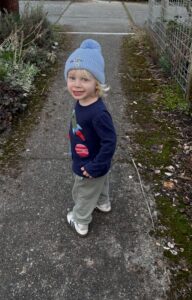
The story of Landon’s progress, from a challenging diagnosis to a thriving preschooler, stands as a testament to the effectiveness of the early intervention model. It highlights that with the right combination of diagnostic precision, supportive pedagogical strategies, and consistent community investment, the barriers traditionally associated with hearing loss can be systematically dismantled. As these programs continue to scale, the focus will remain on ensuring that every child, regardless of their genetic profile or level of hearing loss, has the tools necessary to communicate, learn, and succeed.