

The Elusive Nature of Retrocochlear Hearing Loss
At its core, retrocochlear hearing loss signifies a breakdown in the communication chain between the ear and the brain. While sound may be adequately captured by the cochlea, the subsequent transmission of these auditory signals via the auditory nerve and proximal brainstem is compromised. This disruption can lead to a range of debilitating symptoms, often more nuanced than a simple reduction in loudness. Individuals may experience unilateral or asymmetric hearing loss, where one ear is affected more significantly than the other. A hallmark symptom is a disproportionate difficulty in understanding speech, even when sounds themselves are perceived as loud enough. This phenomenon is often described as words sounding unclear or "mumbled," particularly in environments with background noise.
Beyond auditory comprehension challenges, retrocochlear hearing loss can manifest in other ways. Tinnitus, the perception of phantom ringing or buzzing in the ears, is a common complaint. Dizziness and balance problems can also arise, as the auditory nerve plays a role in maintaining equilibrium. In some instances, neurological symptoms like facial numbness or weakness may accompany retrocochlear impairments, signaling a potential compression or damage to nearby cranial nerves.

Differentiating Retrocochlear from Cochlear Hearing Loss: A Crucial Distinction
The fundamental difference between retrocochlear and cochlear hearing loss lies in their anatomical origin. Cochlear hearing loss stems from damage or dysfunction within the cochlea, the snail-shaped organ within the inner ear responsible for converting mechanical sound vibrations into electrical signals. This can be caused by factors such as aging (presbycusis), noise exposure, genetic predispositions, or certain medications.
Retrocochlear hearing loss, conversely, originates in the structures after the cochlea. This includes the auditory nerve (also known as the cochlear nerve or cranial nerve VIII), which transmits auditory and vestibular information from the inner ear to the brainstem, and the initial neural pathways within the brainstem itself. While both are types of sensorineural hearing loss, the location of the pathology dictates the diagnostic and therapeutic pathways.
| Feature | Cochlear Hearing Loss | Retrocochlear Hearing Loss |
|---|---|---|
| Location of Problem | Inner ear (cochlea) | Auditory nerve or neural pathways beyond the inner ear |
| Impact on Sound | Difficulty in capturing sound clearly | Sound reaches the ear, but the signal is not transmitted clearly to the brain |
| Speech Understanding | Difficult, especially in noise | Disproportionately poor, even when sounds are perceived as loud |
| Common Signs | Muffled sounds, difficulty with certain frequencies, challenges in noisy environments | Unilateral/asymmetric loss, poor speech clarity, tinnitus, dizziness, balance issues, facial numbness |
| Potential Causes | Aging, noise exposure, genetics, ototoxic drugs | Tumors (e.g., vestibular schwannoma), MS, neurodegenerative disorders, vascular issues |
| Diagnostic Tools | Standard hearing tests (pure-tone, speech audiometry) | Hearing tests plus ABR, MRI, and other neurological assessments |
| Treatment Approach | Hearing aids, assistive listening devices, cochlear implants (in severe cases) | Depends heavily on the underlying cause; may include surgery, medication, radiation, hearing rehabilitation, implantable solutions |
This table highlights the critical divergence in how these conditions affect hearing and the specialized diagnostic tools required for accurate identification.
Unraveling the Symptoms: A Multifaceted Presentation
The symptomatic landscape of retrocochlear hearing loss is as varied as its causes. While some individuals may experience a gradual onset of subtle hearing changes, others may present with more pronounced and sudden deficits. The overarching theme, however, is the breakdown in the faithful transmission of auditory information.

- Unilateral or Asymmetric Hearing Loss: A significant indicator is a noticeable difference in hearing ability between the two ears. This can range from a mild discrepancy to a profound loss in one ear.
- Poor Speech Understanding: This is perhaps the most frustrating and prevalent symptom. Even in quiet environments, individuals may struggle to follow conversations, with words sounding distorted or lacking clarity. The ability to discern speech in the presence of background noise, a task already challenging for those with cochlear hearing loss, becomes exceptionally difficult.
- Tinnitus: The perception of ringing, buzzing, hissing, or roaring sounds in the absence of external auditory stimuli is a common companion to retrocochlear hearing loss. The intensity and character of tinnitus can vary greatly.
- Dizziness and Vertigo: The auditory nerve also carries vestibular information, crucial for balance. Damage or disruption to this nerve can lead to sensations of spinning, unsteadiness, or a general feeling of imbalance.
- Facial Numbness or Weakness: In cases where a retrocochlear pathology, such as a tumor, presses on or affects adjacent cranial nerves, symptoms like facial numbness, tingling, or even weakness can arise. This underscores the interconnectedness of neural pathways in the head and neck region.
- Auditory Hallucinations: While less common, some individuals may experience auditory hallucinations, perceiving sounds that are not actually present.
It is important to note that not every individual will experience all these symptoms, and their severity can vary significantly. The presence of one or more of these signs warrants a thorough medical evaluation to determine the underlying cause.
Illuminating the Causes: Beyond Tumors
While tumors, particularly vestibular schwannomas, are frequently associated with retrocochlear hearing loss, they represent only one facet of its etiology. A vestibular schwannoma is a benign (non-cancerous) tumor that develops on the vestibulocochlear nerve, which controls hearing and balance. As the tumor grows, it can compress the nerve, leading to progressive hearing loss, tinnitus, and balance disturbances.
However, the spectrum of causes extends far beyond tumors:
- Multiple Sclerosis (MS): This chronic neurological disease affects the central nervous system by damaging the myelin sheath, the protective covering of nerve fibers. When MS impacts the auditory pathways in the brainstem, it can disrupt the transmission of sound signals, resulting in retrocochlear hearing loss.
- Neurodegenerative Disorders: A range of neurodegenerative conditions can impair neural function along the auditory pathways. Auditory Neuropathy Spectrum Disorder (ANSD) is a prime example, where the cochlea functions normally, but the auditory nerve and brainstem pathways are unable to process or transmit the auditory information effectively. Hereditary neuropathies can also affect signal processing in the auditory system.
- Vascular Conditions: Issues affecting blood vessels, such as strokes or transient ischemic attacks (TIAs) in the auditory pathways or brainstem, can lead to sudden or gradual retrocochlear hearing loss. Inflammation of blood vessels (vasculitis) can also play a role.
- Infections and Inflammation: Certain infections or inflammatory processes that affect the auditory nerve or brainstem can result in retrocochlear impairments.
- Trauma: Head injuries that impact the auditory nerve or brainstem can also lead to retrocochlear hearing loss.
- Congenital Abnormalities: In rare cases, individuals may be born with malformations of the auditory nerve or brainstem that manifest as retrocochlear hearing loss.
The diverse range of potential causes underscores the necessity of a thorough diagnostic workup to pinpoint the specific underlying issue.
The Diagnostic Journey: A Multi-Pronged Approach
Diagnosing retrocochlear hearing loss is a meticulous process that typically involves a combination of audiological and medical evaluations. A single test is rarely sufficient to provide a definitive diagnosis.
1. Comprehensive Audiological Assessments
The initial step often involves a battery of hearing tests administered by an audiologist. These may include:
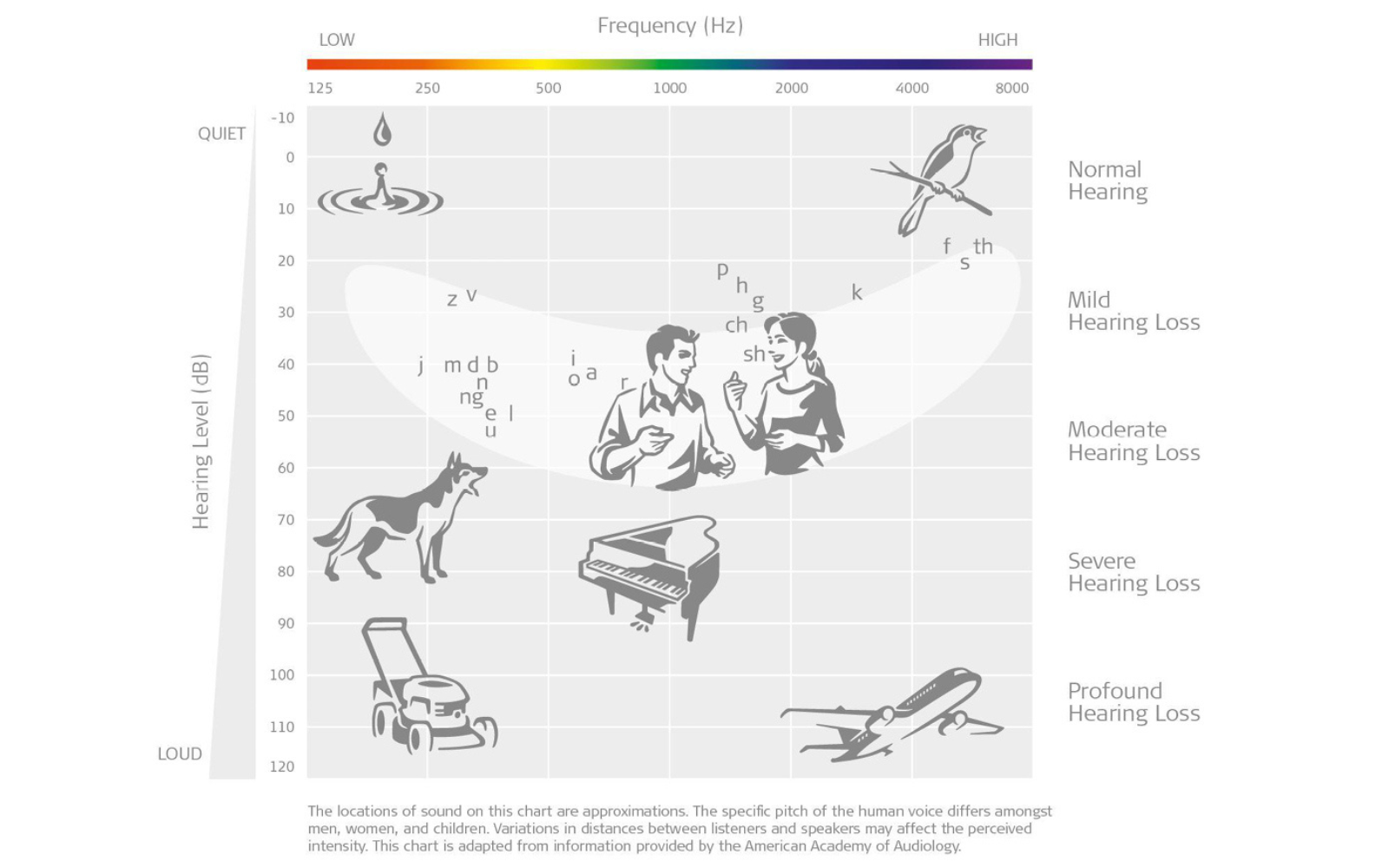
- Pure-Tone Audiometry: This standard test measures an individual’s hearing thresholds across different frequencies, indicating the softest sounds they can hear at each pitch. In retrocochlear hearing loss, audiograms might show asymmetric or unilateral patterns, but these findings alone are not conclusive.
- Speech Audiometry: This crucial component assesses an individual’s ability to understand spoken words at various loudness levels. As mentioned, a significant discrepancy between pure-tone thresholds and speech understanding scores is a key indicator of a potential retrocochlear issue. For example, someone might hear tones at a certain level but struggle immensely to comprehend simple words.
- Tympanometry and Acoustic Reflexes: These tests evaluate the function of the middle ear and the stapedius muscle, which contracts in response to loud sounds. Abnormal acoustic reflex patterns can sometimes suggest a problem with the auditory nerve.
2. Advanced Auditory Pathway Testing
When a retrocochlear pathology is suspected, more specialized tests are employed:
- Auditory Brainstem Response (ABR) Testing: This electrophysiological test measures the electrical activity generated by the auditory nerve and brainstem in response to auditory stimuli. It assesses the integrity of these neural pathways by recording the time it takes for signals to travel from the inner ear to the brainstem. Delayed or absent ABR responses can strongly suggest a retrocochlear lesion. This test is particularly valuable in identifying tumors or other nerve damage.
- Otoacoustic Emissions (OAEs): OAEs are sounds produced by the inner ear in response to stimulation. While primarily used to assess cochlear function, they can sometimes provide indirect clues. For instance, if OAEs are present (indicating a healthy cochlea) but hearing thresholds are significantly impaired, it strengthens the suspicion of a retrocochlear problem.
3. Medical Imaging and Neurological Evaluation
- Magnetic Resonance Imaging (MRI): An MRI scan is often the gold standard for visualizing the auditory nerve and surrounding brain structures. It can detect tumors, inflammation, demyelination (as seen in MS), or vascular abnormalities that may be causing the retrocochlear hearing loss. Specific MRI sequences are optimized for imaging the internal auditory canal and cerebellopontine angle, where vestibular schwannomas typically arise.
- Computed Tomography (CT) Scan: While MRI is generally preferred for soft tissue visualization, a CT scan may be used in certain situations, such as when MRI is contraindicated or to assess bony structures.
- Neurological Examination: A neurologist or neurotologist may conduct a thorough neurological examination to assess for other signs of neurological dysfunction, which can help in diagnosing conditions like MS or other central nervous system disorders.
The Audiogram’s Clues: Subtle Indicators
An audiogram, while a foundational tool, does not offer a singular pattern that definitively diagnoses retrocochlear hearing loss. Instead, it provides valuable clues when interpreted in conjunction with other findings.
- Asymmetry: A significant difference in hearing thresholds between the two ears (asymmetric hearing loss) is a primary flag. If one ear has noticeably poorer hearing than the other across multiple frequencies, it warrants further investigation.
- Unilateral Hearing Loss: Complete hearing loss in one ear is a strong indicator that requires immediate medical attention to rule out serious underlying causes.
- Disproportionate Speech Understanding: As repeatedly emphasized, a key indicator is when speech discrimination scores are significantly poorer than what would be expected based on the pure-tone audiogram. For instance, a person might have mild hearing loss on the audiogram but struggle to understand even simple spoken phrases. This suggests a problem with the neural processing of speech rather than just the ability to hear sound.
- Rollover Phenomenon: In some cases of retrocochlear loss, particularly with tumors, speech discrimination scores may decrease as the presentation of the speech signal becomes louder. This "rollover" effect is an atypical response that can signal a neural issue.
However, it is crucial to reiterate that these audiogram findings are not absolute. Some individuals with retrocochlear hearing loss may have relatively normal audiograms, especially in the early stages. Therefore, a comprehensive clinical picture, integrating audiological data with patient history, neurological findings, and imaging results, is paramount for accurate diagnosis.
Treatment Strategies: Tailored to the Cause
The treatment of retrocochlear hearing loss is entirely dependent on its underlying cause. There is no universal cure, and management strategies are highly individualized.
1. Medical and Surgical Interventions
- Tumor Management: For vestibular schwannomas, treatment options range from active surveillance (monitoring for growth) to surgical removal or stereotactic radiosurgery. The choice depends on the tumor’s size, location, the patient’s age and overall health, and the extent of hearing and neurological symptoms. Surgical removal aims to preserve hearing and nerve function where possible, though hearing loss can sometimes be a consequence of the surgery itself.
- Managing Neurological Conditions: For conditions like Multiple Sclerosis, treatment focuses on managing the disease itself through immunomodulatory therapies and symptom control. Hearing rehabilitation strategies are then employed to address the resulting auditory deficits.
- Addressing Vascular or Inflammatory Issues: If vascular problems or inflammation are identified, treatment will target these underlying conditions through appropriate medical interventions.
2. Hearing Rehabilitation and Assistive Devices
- Hearing Aids: In cases of mild to moderate retrocochlear hearing loss where the auditory nerve retains some function, hearing aids may offer benefit. However, their effectiveness can be limited, especially when speech understanding is severely compromised. The amplification provided by hearing aids may not fully compensate for the neural processing deficits.
- Assistive Listening Devices (ALDs): ALDs, such as FM systems or sound-field amplification, can help improve the signal-to-noise ratio, making speech clearer in challenging listening environments.
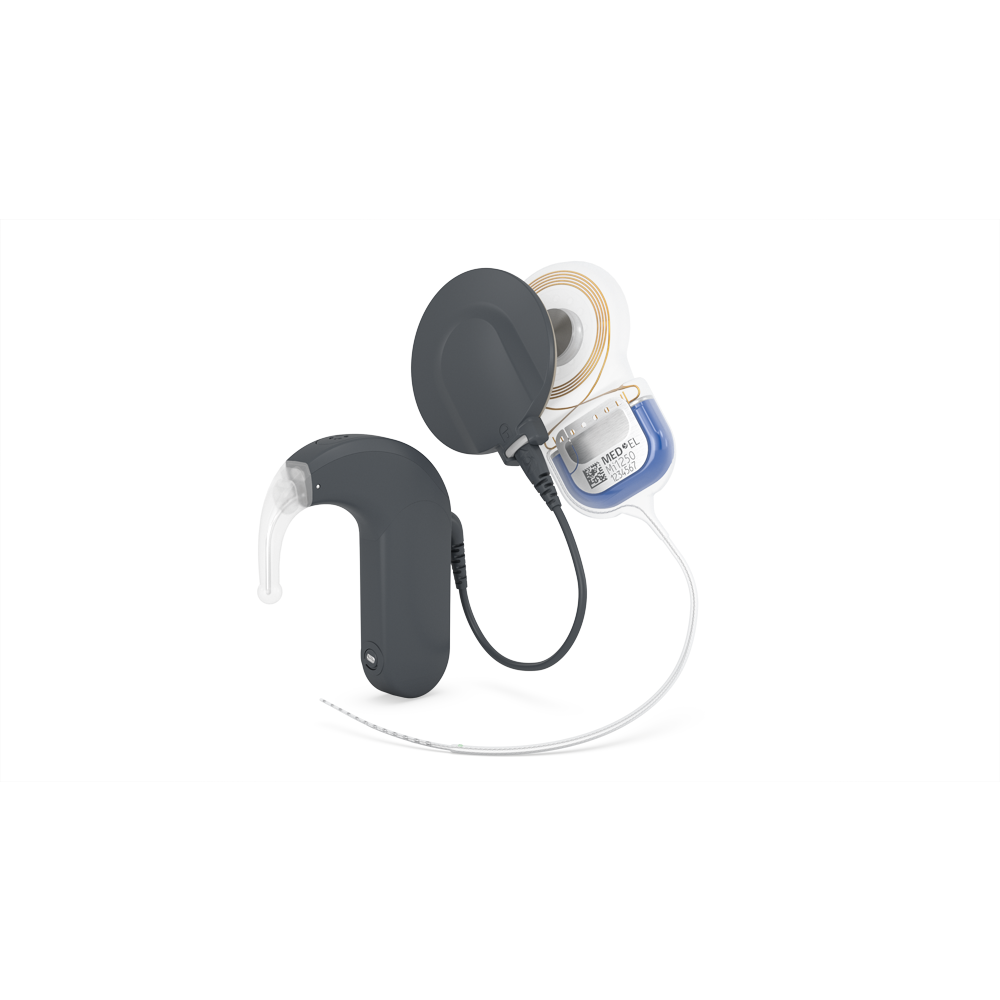
- Cochlear Implants: For individuals with profound sensorineural hearing loss where hearing aids provide little to no benefit, cochlear implants may be considered. These devices bypass the damaged parts of the inner ear and directly stimulate the auditory nerve with electrical signals. Cochlear implantation is a complex surgical procedure that requires extensive audiological and medical evaluation. The success of cochlear implantation in retrocochlear hearing loss can depend on the integrity of the auditory nerve; in cases of severe nerve damage or absence, other implantable solutions might be explored.
- Auditory Brainstem Implants (ABIs): In very specific cases where the auditory nerve is severely damaged or absent, but the brainstem auditory nuclei are functional, an Auditory Brainstem Implant (ABI) may be an option. ABIs bypass both the auditory nerve and the cochlea, directly stimulating the brainstem. These are typically considered for patients with neurofibromatosis type 2 (NF2) and absent auditory nerves.
3. Ongoing Monitoring and Support
Regular follow-up appointments with audiologists, ENTs, neurotologists, and neurologists are crucial for monitoring the progression of the condition, assessing the effectiveness of treatments, and adjusting management plans as needed. Psychological support and counseling can also be invaluable for individuals navigating the challenges of living with a significant hearing impairment and potential associated neurological symptoms.
When to Seek Professional Help
The early detection and diagnosis of retrocochlear hearing loss are paramount to achieving the best possible outcomes. Individuals should seek immediate medical attention if they experience:

- Sudden or rapid changes in hearing: Any abrupt onset of hearing loss, especially in one ear, requires urgent evaluation.
- Unilateral or asymmetric hearing loss: A noticeable difference in hearing between the ears should not be ignored.
- Persistent tinnitus, especially if accompanied by other symptoms: While tinnitus can have many causes, its presence alongside other auditory or neurological issues warrants investigation.
- Dizziness or balance problems that coincide with hearing changes: These symptoms can indicate a problem with the auditory-vestibular system.
- Unexplained difficulty understanding speech, particularly in noisy environments: This is a classic symptom that suggests a breakdown in auditory processing.
- Facial numbness, weakness, or other neurological symptoms: These signs, when occurring with hearing changes, can point to a serious underlying condition affecting cranial nerves.
A collaborative approach involving audiologists, otolaryngologists (ENT specialists), neurotologists (surgeons specializing in the ear and its surrounding structures), and neurologists is often necessary for comprehensive diagnosis and management.
The Broader Implications
Retrocochlear hearing loss presents a significant challenge not only to an individual’s ability to communicate but also to their overall quality of life. The profound impact on speech understanding can lead to social isolation, reduced employment opportunities, and increased risk of falls due to balance disturbances. The emotional toll, including frustration, anxiety, and depression, should not be underestimated.
The advancements in diagnostic imaging, particularly MRI, have revolutionized the ability to identify retrocochlear pathologies with greater precision. Similarly, the development of sophisticated implantable hearing solutions, such as cochlear implants and auditory brainstem implants, offers hope for individuals who were previously considered untreatable. However, access to these advanced technologies and specialized care remains a critical consideration.
Ultimately, understanding retrocochlear hearing loss is an ongoing process. Continued research into the complex neural pathways of hearing, alongside the development of more targeted diagnostic tools and therapeutic interventions, holds the key to improving the lives of those affected by this intricate auditory condition. MED-EL, through its commitment to innovation and patient-centered care, continues to contribute to this evolving landscape, striving to provide effective solutions and comprehensive support for individuals navigating the challenges of hearing loss.