Chronic vestibular conditions, which affect the inner ear and the brain’s ability to process sensory information, often result in debilitating symptoms such as vertigo, tinnitus, and profound imbalance. For many patients, the journey is defined not only by physical symptoms but by a profound shift in identity and purpose. The recent discussion featured Lynn Johnson, a former biology teacher living with Autoimmune Inner Ear Disease (AIED), and the Reverend Carol Rexroad Cannon, a retired United Methodist pastor diagnosed with vestibular neuritis and Persistent Postural-Perceptual Dizziness (PPPD). Their experiences highlight a broader trend in holistic healthcare: the integration of spiritual care into the recovery process for chronic illness.
The Clinical Landscape of Vestibular Dysfunction
To understand the spiritual challenges faced by these individuals, one must first consider the clinical severity of their conditions. According to the National Institute on Deafness and Other Communication Disorders (NIDCD), approximately 69 million Americans have experienced some form of vestibular dysfunction. These conditions often go undiagnosed for years due to the specialized nature of vestibular testing.
Lynn Johnson’s case illustrates the aggressive nature of AIED, a rare condition where the body’s immune system mistakenly attacks the cells of the inner ear. Since her symptoms began in 2015, Johnson has faced bilateral vestibular hypofunction, profound hearing loss, and oscillopsia—a visual disturbance where the world appears to jump or jiggle during movement. The sudden onset of these symptoms effectively ended her career in education, a common outcome for vestibular patients; studies indicate that vestibular disorders are a leading cause of early retirement and long-term disability due to the high cognitive and physical demands of maintaining balance.
Similarly, Rev. Carol Rexroad Cannon’s diagnosis of PPPD represents a common secondary condition. PPPD is a chronic functional neurological disorder characterized by non-spinning vertigo and perceived unsteadiness that is exacerbated by upright posture and complex visual stimuli. For a professional whose life was dedicated to public speaking and community engagement, the sensory overload of church meetings and social gatherings presented a significant barrier to her vocation.
Chronology of Diagnosis and Adaptation
The timeline of adaptation for vestibular patients often follows a pattern of crisis, loss, and eventual reframing.
In 2015, Lynn Johnson’s life was upended by sudden imbalance and tinnitus. The subsequent months involved a grueling cycle of medical consultations and worsening symptoms. By the time a definitive diagnosis of AIED was reached, significant permanent damage had occurred. Johnson notes that earlier intervention might have preserved a portion of her hearing, highlighting a systemic issue in the medical community regarding the speed of vestibular diagnosis. The loss of her career as a high school biology teacher triggered a crisis of identity, a psychological phenomenon frequently documented in patients who lose their professional "calling" to chronic illness.
In 2016, Rev. Cannon was diagnosed with vestibular neuritis, an inflammation of the vestibular nerve usually caused by a viral infection. While many patients recover from neuritis within weeks, Cannon’s condition evolved into PPPD. This transition required a total restructuring of her pastoral duties. By 2017 and 2018, she had to implement strict "sensory pacing," which included limiting the duration of meetings and ensuring she had a "safe" visual environment to prevent the onset of severe dizziness.
These timelines demonstrate that the "recovery" from chronic vestibular illness is rarely a return to the status quo. Instead, it is a process of learning to live within new physiological limits.
The Role of Spirituality as a Coping Mechanism
For both Johnson and Cannon, spirituality provided a framework for processing what clinicians call "biographical disruption"—the way chronic illness breaks the trajectory of a person’s life story.
Johnson’s approach to spirituality is rooted in the "anchor" metaphor. Facing the loss of her hearing and her career, she utilized scriptural meditation, specifically citing Proverbs 3:5-6 and Romans 12:12, to maintain a sense of hope. Her experience with profound hearing loss forced a shift in her spiritual practice; unable to hear traditional music or sermons, she turned to "Bible journaling"—a visual and tactile form of worship. This adaptation is a prime example of "spiritual neuroplasticity," where a patient finds new cognitive and emotional pathways to experience meaning when traditional sensory pathways are blocked.
Rev. Cannon’s spiritual response was more focused on the discipline of presence and the theology of limits. Drawing from her Yale Divinity School training and 40 years of ministry, she emphasized the "spiritual discipline of rest." She argues that rest is not merely a physical necessity for the vestibular system to recover but a theological statement that a person’s worth is not tied to their productivity. This perspective is particularly relevant for vestibular patients, who often suffer from "vestibular migraine" or "brain fog," where cognitive rest is the only effective treatment.
Analysis of Implications for Holistic Healthcare
The narratives of Johnson and Cannon suggest that the traditional medical model, which focuses primarily on physical rehabilitation and pharmaceutical intervention, may be insufficient for long-term patient success. The "Bio-Psycho-Social-Spiritual" model of care is gaining traction as a more effective way to treat chronic conditions.
- Identity Reconstruction: Healthcare providers are increasingly recognizing that the loss of a career or a hobby due to dizziness is a form of grief. Spiritual and psychological counseling can help patients decouple their self-worth from their physical abilities.
- Sensory Adaptation: The use of Taizé songs, quiet reflection, and visual journaling suggests that spiritual practices can be tailored to accommodate sensory sensitivities (such as phonophobia or visual vertigo).
- Community Support: Both guests emphasized the importance of "presence over platitudes." In the context of chronic illness, spiritual communities that offer validation rather than "quick fixes" contribute to better mental health outcomes.
Official Responses and Organizational Impact
VeDA, the organization behind the podcast, has increasingly focused on the mental and spiritual health of its members. As a VeDA Ambassador, Lynn Johnson co-leads support groups that specifically address the intersection of hearing loss and vestibular dysfunction. These groups provide a platform for "God sightings" or "small signs of grace," which serve as a form of positive psychology.
Furthermore, the involvement of figures like Rev. Cannon provides a bridge between the medical community and the clergy. Cannon’s use of resources from theologians like Kate Bowler—who writes extensively on the "brokenness" of the human experience—reflects a shift away from "prosperity-based" spirituality toward a more realistic and sustaining faith that acknowledges chronic pain.
Broader Impact and Future Outlook
The integration of spirituality into the chronic illness narrative has broader implications for public health. Chronic dizziness is often associated with high rates of anxiety and depression. By fostering spiritual resilience, patients may reduce the secondary psychological burden of their condition, potentially leading to better adherence to physical therapy and vestibular rehabilitation.
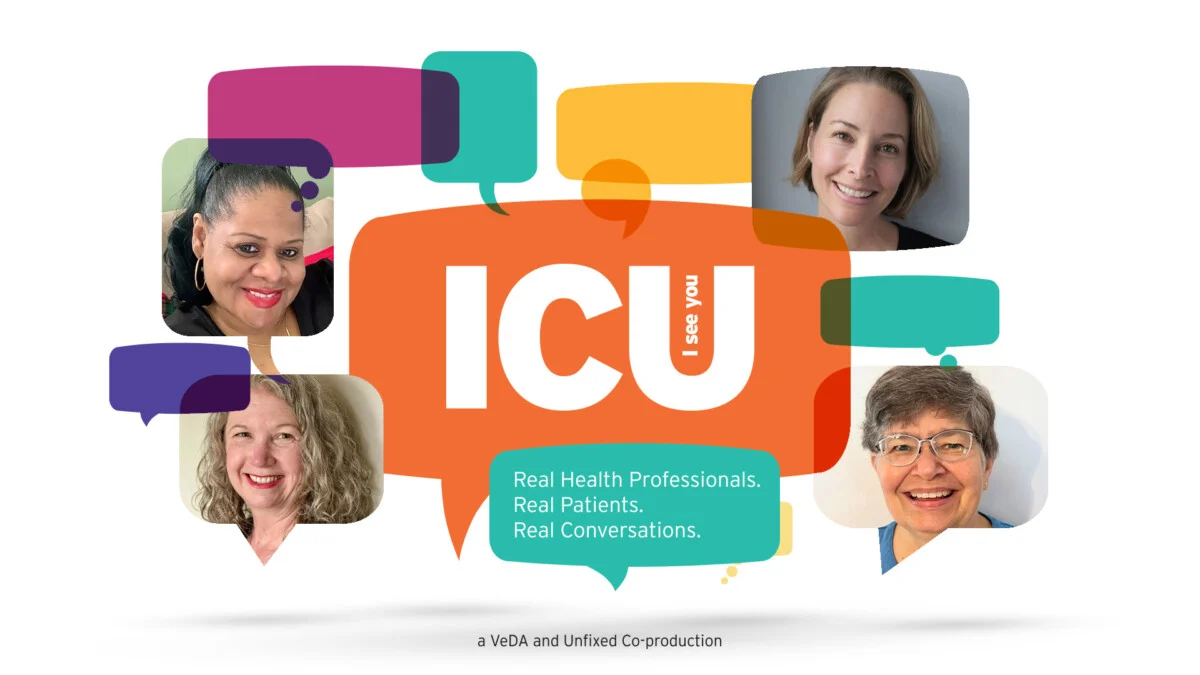
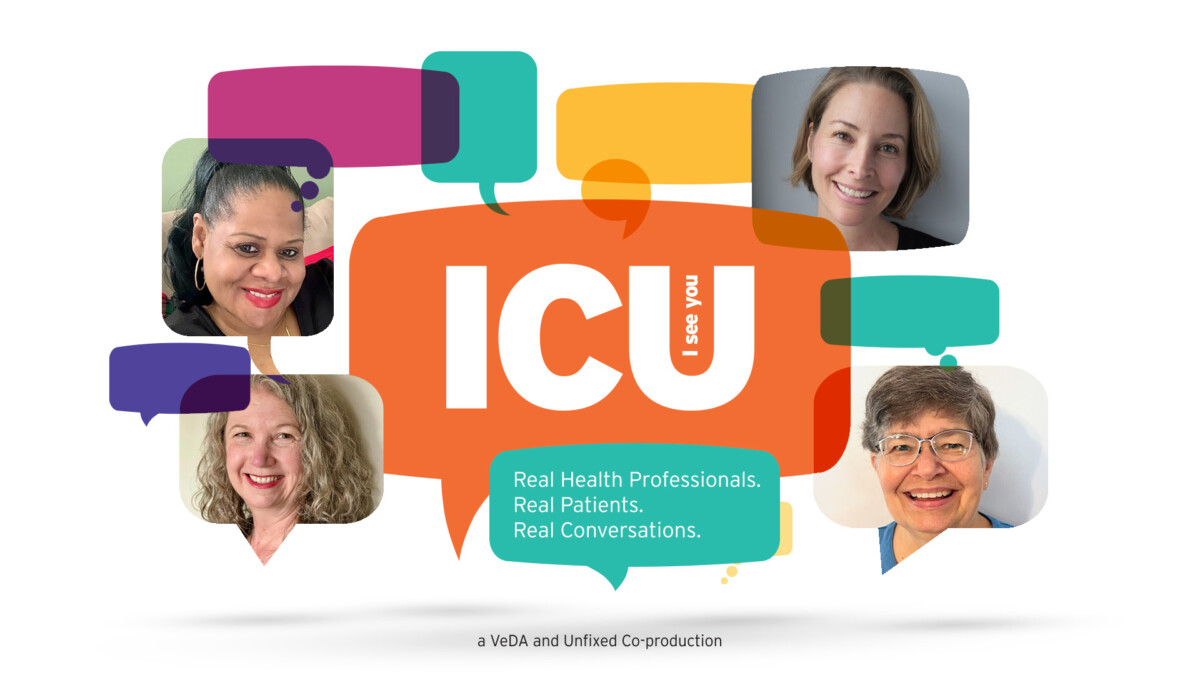
Moreover, the shift toward "presence" and "validation" in spiritual care mirrors the growing movement in patient-centered medicine. When a patient feels "seen" (as the ICU podcast title suggests), their physiological stress response may decrease, aiding in the management of symptoms like PPPD which are highly sensitive to stress and anxiety.
In conclusion, the experiences of Lynn Johnson and Rev. Carol Rexroad Cannon underscore a vital truth for the millions living with vestibular disorders: while the body may lose its balance, the spirit can find a new center. The ongoing dialogue between faith and medicine suggests that the most effective treatment for chronic illness is one that addresses the whole person—body, mind, and spirit. As the medical community continues to refine its understanding of the vestibular system, the inclusion of spiritual health as a pillar of recovery remains an essential component of a comprehensive care strategy.