

A Chronology of Onset and Adaptation
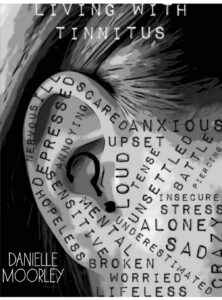
Danielle’s experience began during a period of acute physical distress. In the wake of a severe toothache, she suddenly experienced a persistent ringing in both ears. This auditory phenomenon was not temporary; it became a permanent fixture of her sensory experience. At 18, the suddenness of the condition led to a significant psychological shock.
The early years were characterized by a struggle to reconcile her previous life with the new reality of constant noise. Clinical literature often describes this phase as the "adjustment period," where individuals report higher instances of sleep deprivation, heightened stress, and a perceived loss of agency over their own physical well-being. For Moorley, the lack of immediate, empathetic clinical guidance exacerbated these symptoms, creating a cycle of frustration and exhaustion. It was not until she sought external resources—specifically those provided by Tinnitus UK—that she began to develop the necessary coping mechanisms to mitigate the condition’s impact on her daily professional and personal life.

Clinical Context and the Role of Cognitive Behavioral Therapy
Medical consensus suggests that while there is currently no singular "cure" for most forms of chronic tinnitus, management strategies are highly effective in reducing the severity of the condition. Cognitive Behavioral Therapy (CBT) has emerged as a gold-standard approach in this regard. Unlike treatments that attempt to mask the sound, CBT focuses on the patient’s psychological reaction to the auditory stimulus.
By restructuring the patient’s relationship with the sound, CBT helps to diminish the "fight or flight" stress response that typically amplifies the perceived loudness of tinnitus. In Moorley’s case, the integration of stress management techniques and a reframing of her internal narrative allowed her to transition from being "trapped" by the noise to actively managing her environment. This shift enabled her to return to high-sensory activities, such as concerts and social gatherings, which she had previously avoided due to fears of dizziness and sensory overload.
Supporting Data and the Prevalence of Tinnitus
Tinnitus is a significant public health issue. According to data from the British Tinnitus Association (Tinnitus UK), approximately one in seven adults in the United Kingdom experiences persistent tinnitus. While for many it is a mild annoyance, for a significant subset of the population, it manifests as a debilitating condition that interferes with sleep, work, and mental health.
The correlation between tinnitus and mental health is well-documented. Research indicates that patients with severe, persistent tinnitus are statistically more likely to report symptoms of anxiety and depression. This is why organizations like Tinnitus UK serve a dual purpose: they provide clinical information while simultaneously acting as a peer-support network. By offering helplines, educational resources, and a community platform, these organizations fill the gap between primary care (which may not always offer comprehensive tinnitus counseling) and the need for patient-centered support.
The Impact of Community Engagement
Joining an organization like Tinnitus UK serves as a pivotal step for many patients. Membership, as described by Moorley, is not merely a transaction for services; it is an act of advocacy. When individuals move from a passive recipient of support to an active member of a community, the psychological benefits are significant. This process, often referred to in sociology as "shared experience validation," allows patients to deconstruct the stigma and isolation associated with invisible conditions.
For Moorley, the decision to join was motivated by a desire to contribute to the collective effort of research and awareness. Her involvement highlights the importance of the "patient-expert" model, where those living with a condition provide the real-world context that researchers and clinicians need to better understand the subjective nature of the disorder.
Broader Implications for Healthcare and Patient Advocacy
The trajectory of Moorley’s experience raises important questions about the current healthcare system’s ability to address non-pathological, yet life-altering, conditions. While doctors are well-equipped to handle acute physical trauma, the long-term management of chronic conditions like tinnitus often requires a multidisciplinary approach involving audiologists, psychologists, and patient advocacy groups.
The lack of understanding from some healthcare professionals—a challenge noted by Moorley—is a recurring theme in patient surveys regarding tinnitus. This suggests a systemic need for better training in the management of invisible, subjective symptoms. When medical professionals provide validation and direct patients toward established support networks, the trajectory of the patient’s recovery is significantly improved.

Future Outlook and Scientific Advancements
The frustration felt by many, including Moorley, often stems from the absence of a definitive medical cure. However, the landscape of tinnitus research is evolving. Ongoing studies are exploring the neurological pathways of auditory perception, the role of neuroplasticity in tinnitus habituation, and potential pharmacological interventions.
Organizations like Tinnitus UK play a vital role in funding these research initiatives and keeping the patient community informed about the latest developments. By maintaining a database of evidence-based resources and fostering a community that is hopeful yet pragmatic, these groups help maintain the morale of individuals living with the condition while waiting for the next generation of medical breakthroughs.
Conclusion: The Importance of Proactive Support
Danielle Moorley’s story serves as a reminder that the management of tinnitus is a highly personal, ongoing process. Her transition from a state of being overwhelmed to one of active engagement underscores the critical necessity of social and professional support. Whether through the utilization of helplines, the adoption of cognitive behavioral strategies, or the decision to join a community-focused membership group, the path forward is marked by the realization that one is not alone.
As the medical community continues to refine its understanding of tinnitus, the role of patient-led organizations remains indispensable. For those currently struggling with the condition, the experience of others like Moorley offers a clear roadmap: the symptoms may be persistent, but the ability to regain control, confidence, and a full life is entirely achievable through the right combination of clinical support and community connection. The movement toward greater awareness and better access to resources remains the most effective tool for those who, like Moorley, are navigating the complexities of life with tinnitus.