

The experience of hearing sounds as doubled, distorted, or out of tune can be profoundly disorienting, particularly when it emerges suddenly. Diplacusis can occur in one ear (monaural diplacusis) or create a mismatch in pitch perception between the two ears (binaural diplacusis). The duration of these symptoms can range from temporary, resolving with appropriate treatment, to permanent, requiring long-term management. Understanding the intricacies of diplacusis is crucial for individuals experiencing these unsettling auditory distortions, as it empowers them to seek timely and effective medical intervention.
Decoding the Phenomenon: What Exactly is Diplacusis?
At its core, diplacusis is a subjective hearing experience where the brain receives and processes auditory information in a non-uniform manner. This results in the perception of a single external sound as a multiplicity of sounds. The medical term, diplacusis, is often colloquially described as "double hearing" or, by some individuals, as "double hearing syndrome." The implications of this auditory distortion extend across various aspects of daily life. For instance, it can significantly impair speech understanding, making conversations difficult to follow, especially in noisy environments. The enjoyment of music, a rich tapestry of harmonies and melodies, can be severely compromised as notes may sound out of tune or dissonant. Even routine activities like talking on the phone or hearing critical alerts, such as alarms, can become challenging and stressful.

The underlying mechanism of diplacusis often involves a disruption in the transmission or processing of sound signals. This can occur at multiple points along the auditory pathway, including the ears themselves, the cochlea (the sensory organ of hearing), the auditory nerve that transmits signals to the brain, or the central auditory pathways within the brain responsible for interpreting these signals. Consequently, mismatched auditory information is relayed to the brain, leading to the characteristic perception of double hearing. Various factors can contribute to these signal mismatches, ranging from common issues like earwax blockage and ear infections to more complex conditions such as inner-ear disorders, significant hearing loss, or sudden changes in auditory function.
The Sonic Landscape of Double Hearing: What Does it Sound Like?
Describing the precise sensation of diplacusis can be challenging for those experiencing it, as the auditory distortion is highly subjective. However, common descriptors often revolve around the perception of sound as being duplicated or altered in its fundamental characteristics. These symptoms can be particularly pronounced when listening to specific types of sounds. Pure tones, which are simple, single-frequency sounds, can reveal pitch discrepancies. Music, with its intricate melodies and harmonies, often becomes a source of significant distress, as instruments or voices may sound out of tune. Speech can be perceived with a delay or echo, making it difficult to discern individual words or the flow of conversation. Similarly, sounds transmitted through headphones, where auditory input is precisely controlled, can highlight the extent of the diplacusis. The presence of alarms, which require clear and immediate recognition, can also be rendered less effective or even confusing.
Categorizing the Dissonance: Types of Diplacusis
The multifaceted nature of diplacusis lends itself to classification based on how the auditory mismatch is experienced. These categories help clinicians and patients better understand the specific manifestation of the condition.
Diplacusis Binauralis: The Bilateral Experience
Diplacusis binauralis occurs when the auditory perception differs between the two ears. This overarching category is further divided into two subtypes:

- Echoica: This subtype is characterized by a temporal mismatch in sound perception. The same sound reaching both ears is perceived as arriving at slightly different times. This can create an echo-like effect, where a sound seems to linger or repeat itself, making it challenging to pinpoint the origin or the clarity of the original sound.
- Dysharmonica: In contrast, diplacusis binauralis dysharmonica involves a pitch mismatch between the ears. A single sound, when heard by both ears, is perceived at different pitches. This can lead to a disconcerting experience where music sounds out of tune, or voices may seem to have a wavering or discordant quality when heard binaurally.
Diplacusis Monauralis: The Unilateral Distortion
Diplacusis monauralis, as the name suggests, affects only one ear. In this form, a single sound presented to the affected ear is perceived as two distinct tones or pitches. This can result in a singular sound being heard as a chord or a wavering note, creating an internal dissonance within that ear’s auditory processing.
Delving Deeper: Diplacusis Dysharmonica and Echoica
Diplacusis Dysharmonica, often the more commonly discussed type, is defined by the perception of pitch differences. One ear might interpret a note accurately, while the other ear perceives it as higher, lower, or simply less defined. This phenomenon can be particularly distressing for musicians or individuals with a keen sense of pitch, as it fundamentally alters their auditory experience of music and even speech. The underlying causes of diplacusis dysharmonica can be varied, frequently linked to asymmetric hearing loss, where each ear has a different degree or type of hearing impairment, or sensorineural hearing loss, which affects the inner ear or auditory nerve. Changes in how the inner ear’s delicate structures process sound frequencies can also contribute. Currently, there is no universally effective "cure" for diplacusis dysharmonica; treatment strategies are tailored to address the specific underlying cause.
Diplacusis Echoica is distinguished by a discrepancy in the timing of sound perception. A sound might seem to repeat or echo, as if it’s taking slightly longer to register in one ear compared to the other. This temporal lag can significantly disrupt the brain’s ability to synchronize auditory input, making it harder to follow conversations, especially in environments with competing background noise. The brain’s task of separating speech from ambient sounds is already demanding; an echoic distortion exacerbates this challenge, leading to increased listening effort and potential communication breakdowns.
Unraveling the Causes of Diplacusis
The fundamental reason behind diplacusis is the failure of the auditory system to deliver synchronized and congruent sound information to the brain. This can stem from a multitude of factors affecting various components of the hearing mechanism:

- Earwax Blockage: An excessive accumulation of earwax can physically impede the passage of sound waves to the eardrum, altering how sound is perceived and potentially leading to diplacusis.
- Ear Infections and Fluid Buildup: Middle ear infections (otitis media) or the presence of fluid behind the eardrum can alter the impedance of the middle ear system, affecting sound transmission and leading to temporary hearing changes, including diplacusis.
- Sudden Sensorineural Hearing Loss (SSNHL): This condition, characterized by a rapid decline in hearing, often affecting the inner ear, can manifest with symptoms like diplacusis, tinnitus, and dizziness. Prompt medical attention is crucial in such cases.
- Loud Noise Exposure (Acoustic Trauma): Exposure to intensely loud sounds can damage the delicate hair cells in the cochlea, leading to temporary or permanent hearing loss and potentially auditory distortions like diplacusis.
- Inner Ear Disorders: Conditions affecting the labyrinth or cochlea, such as Meniere’s disease, can disrupt the processing of sound and balance, sometimes presenting with diplacusis.
- Ototoxic Medications: Certain medications known to be toxic to the ear can damage cochlear function, leading to hearing loss and associated symptoms.
- Head Trauma: Injuries to the head can impact the auditory pathways, resulting in various hearing disturbances, including diplacusis.
- Acoustic Neuroma: This non-cancerous tumor on the auditory nerve can compress the nerve fibers, leading to progressive hearing loss, tinnitus, and sometimes diplacusis.
- Age-Related Hearing Loss (Presbycusis): As individuals age, the gradual decline in hearing can affect the cochlea’s ability to process sound frequencies accurately, potentially contributing to diplacusis.
- Eustachian Tube Dysfunction: Issues with the tube connecting the middle ear to the back of the throat can lead to pressure imbalances and fluid accumulation, impacting hearing clarity.
In many instances, diplacusis symptoms are transient, resolving as the underlying cause is addressed. For example, earwax removal or treatment for an ear infection can restore normal hearing perception. However, in cases linked to more permanent hearing changes, such as sudden sensorineural hearing loss or chronic inner ear conditions, the diplacusis may persist and require ongoing management. The sudden onset of double hearing, especially when accompanied by sudden hearing loss or muffled hearing in one ear, warrants immediate medical attention to rule out serious conditions.
Diplacusis in One Ear: A Focused Concern
The occurrence of double hearing in a single ear, or monaural diplacusis, is a distinct experience that individuals may report. This can arise from localized issues within that ear, such as blockage, infection, or trauma. It can also be a symptom of asymmetric hearing loss, where one ear is significantly more affected than the other. When one ear’s auditory processing deviates from the other, the brain faces a greater challenge in integrating the two disparate signals into a cohesive auditory experience. This can lead to a pronounced sense of imbalance in hearing perception. A professional hearing test is vital in such scenarios to precisely diagnose the type of hearing loss (conductive, sensorineural, or mixed) and identify any other contributing medical factors.
The Duration of Diplacusis: A Variable Timeline
The question of "how long does diplacusis last?" does not have a singular answer, as the duration is intrinsically tied to the underlying cause. For temporary conditions like earwax buildup, fluid in the middle ear, or a common cold causing congestion, diplacusis symptoms often subside as the condition resolves, which can take days or weeks. However, if diplacusis is a consequence of more significant or permanent hearing issues, such as sudden sensorineural hearing loss, acoustic trauma, or age-related hearing degeneration, the symptoms may persist for longer periods. In these instances, the focus shifts from a "cure" to effective management strategies that can mitigate the impact of the distorted hearing on daily life.
The persistence, worsening, or unilateral nature of diplacusis symptoms are all indicators that warrant prompt professional consultation. While some individuals may adapt to persistent diplacusis over time through various auditory support mechanisms, proactive management is key.
Diagnosing the Double Hearing Experience
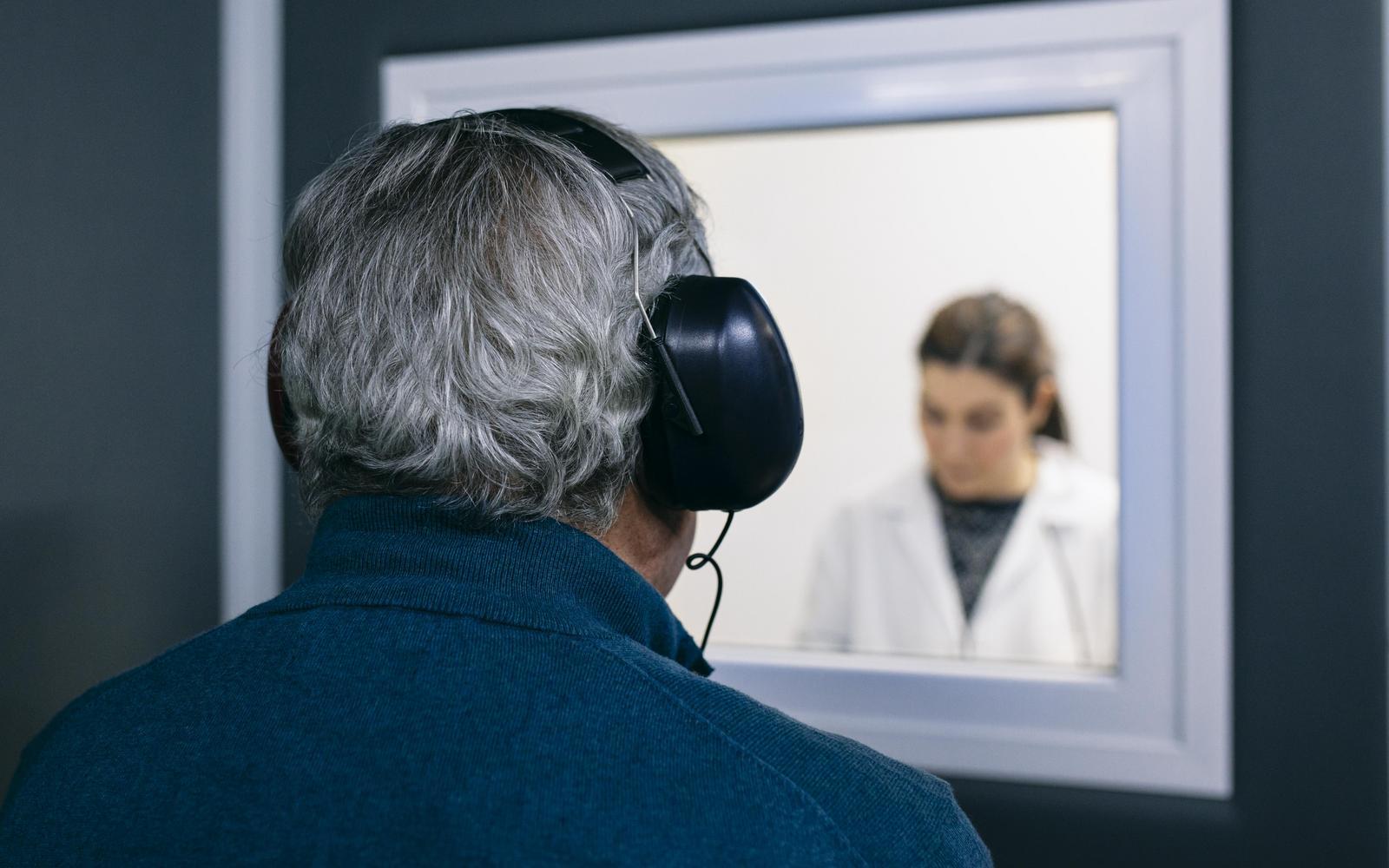
The diagnostic process for diplacusis typically begins with a thorough clinical interview. A healthcare professional, such as an audiologist or ENT specialist, will inquire about the onset of symptoms, whether one or both ears are affected, and if other auditory or vestibular symptoms are present. These may include tinnitus (ringing in the ears), dizziness, a feeling of ear fullness, ear pain, or any signs of infection. The patient’s medical history, including recent exposure to loud noise, head trauma, medication changes, or pre-existing medical conditions, will also be reviewed.
A physical examination of the ear canal and eardrum is conducted to check for common issues like earwax impaction, fluid accumulation, signs of infection, or eardrum abnormalities. Following this, a series of audiological tests are performed. These typically include pure-tone audiometry to assess hearing thresholds across different frequencies, speech audiometry to evaluate the ability to understand spoken words, and potentially specialized tests like pitch matching or binaural loudness balancing to further investigate the nature of the auditory distortion.
In cases where symptoms are sudden, unilateral, medically complex, or accompanied by neurological signs like dizziness, an ENT specialist’s expertise becomes crucial. They can conduct further investigations, including imaging studies if necessary, to rule out more serious underlying conditions.
Pathways to Resolution: Diplacusis Treatment and Management
The treatment approach for diplacusis is highly individualized and hinges entirely on identifying and addressing the root cause. There is no universal remedy, but a range of interventions can be employed:

Addressing Temporary Causes
When diplacusis is attributed to transient issues such as earwax blockage, middle ear fluid, or infection, treatment focuses on resolving these primary conditions. This might involve professional earwax removal performed by a healthcare provider, antibiotic or antiviral medication for infections, or decongestants for congestion. It is important to avoid aggressive or unproven home remedies for earwax, such as cotton swabs or ear candling, as these can exacerbate irritation or cause injury.
Managing Diplacusis Linked to Hearing Loss
If hearing loss is identified as the underlying factor, several management options may be recommended by an audiologist or ENT specialist:
- Hearing Aids: For individuals with mild to moderate hearing loss, hearing aids can amplify sounds, potentially improving the clarity and balance of auditory perception. While hearing aids do not directly "cure" diplacusis, they can enhance the brain’s ability to process sounds and reduce the impact of hearing loss.
- Auditory Rehabilitation and Sound Therapy: These programs involve structured exercises and strategies designed to retrain the brain to better interpret auditory signals. Sound therapy may also utilize specific sound patterns to help manage auditory distortions.
- Tinnitus Management: Diplacusis can sometimes co-occur with tinnitus. If tinnitus is a significant concern, management strategies aimed at reducing its perception can indirectly improve overall auditory comfort.
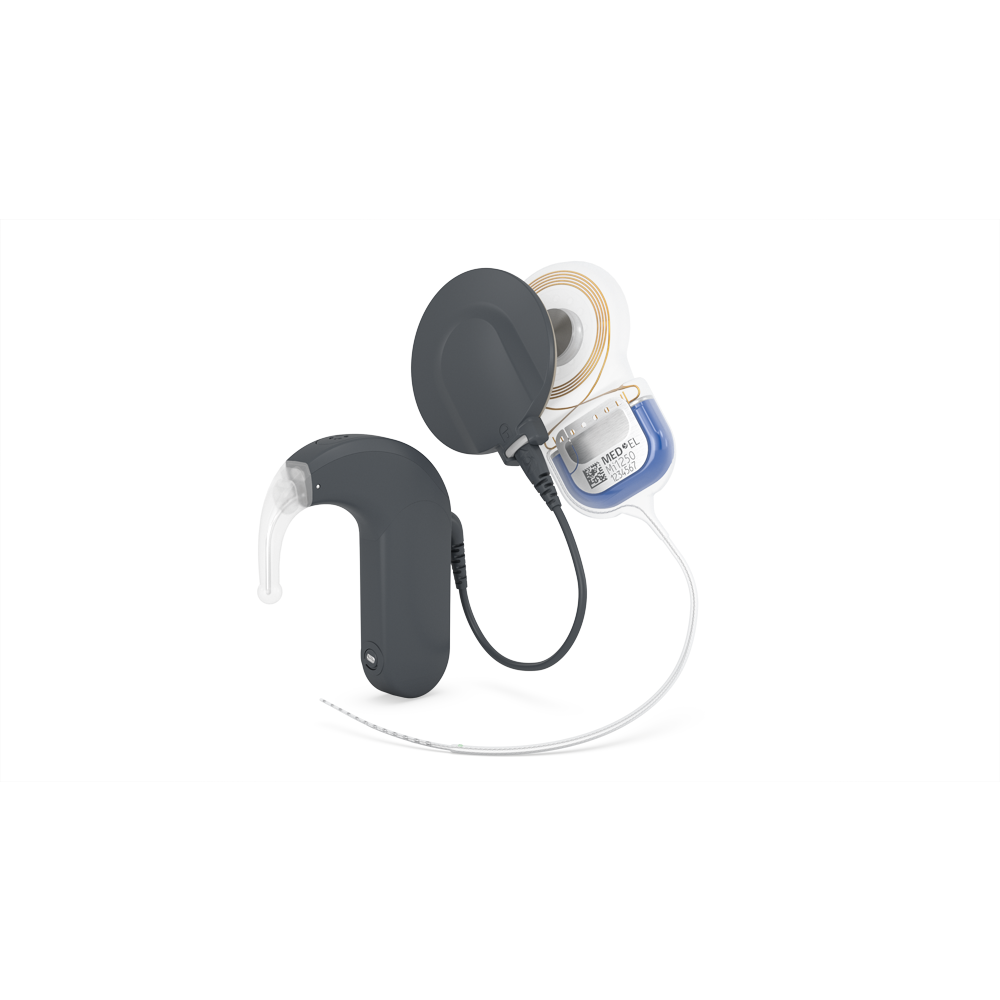
- Hearing Implants: In cases of severe to profound hearing loss, or for individuals with single-sided deafness (SSD), hearing implant technologies may be considered.
When Hearing Technology Becomes Essential
For individuals experiencing diplacusis in conjunction with permanent hearing loss, advanced hearing solutions may become part of the conversation.
- Hearing Aids: As mentioned, appropriately fitted hearing aids can be instrumental in improving the perception of sound and aiding listening balance.
- Cochlear Implants: For individuals with severe-to-profound sensorineural hearing loss, cochlear implants offer a potential solution. These devices bypass damaged parts of the inner ear and directly stimulate the auditory nerve, providing a sense of sound. They can be particularly beneficial for those with single-sided deafness, offering a way to restore hearing in the affected ear.
- Auditory Brainstem Implants (ABIs): In rare cases where cochlear implants are not suitable due to issues with the auditory nerve, ABIs may be an option, directly stimulating the brainstem.
It is important to note that hearing devices are typically management tools that aim to improve access to sound and support listening, rather than offering a complete "cure" for diplacusis itself. Their effectiveness is highly dependent on the individual’s specific hearing profile and the underlying cause of their auditory distortions.
Recognizing Red Flags: When to Seek Urgent Medical Attention
While diplacusis can sometimes be a minor inconvenience, certain accompanying symptoms warrant immediate medical evaluation. Individuals should seek urgent or same-day medical attention if double hearing is accompanied by:
- Sudden hearing loss
- Severe dizziness or vertigo
- Facial weakness or numbness
- Sudden onset of severe headache
- Ear pain or discharge
- Neurological symptoms such as confusion, weakness, or difficulty speaking
Prompt assessment in these situations is critical to rule out serious conditions such as stroke, meningitis, or other neurological emergencies. For persistent, worsening, or disruptive diplacusis symptoms that do not fall into the urgent category, scheduling an appointment with an audiologist, ENT specialist, or other qualified healthcare professional is highly recommended.
Key Takeaways on Diplacusis
- Definition: Diplacusis, or "double hearing," is the perception of a single sound as two distinct sounds, often differing in pitch or timing, or exhibiting an echo.
- Symptom, Not Diagnosis: It is a symptom indicating an underlying issue within the auditory system.
- Types: Diplacusis can be monaural (one ear) or binaural (both ears), with subtypes including echoica (timing difference) and dysharmonica (pitch difference).
- Causes: A wide range of factors can cause diplacusis, from earwax and infections to sensorineural hearing loss and neurological conditions.
- Diagnosis: Involves a comprehensive history, ear examination, and audiological testing by professionals like audiologists and ENT specialists.
- Treatment: Tailored to the underlying cause, ranging from simple earwax removal to hearing aids, sound therapy, or, in severe cases, hearing implants.
- Urgency: Sudden onset, especially with other neurological symptoms, requires immediate medical attention.
Understanding diplacusis is the first step towards effective management. By recognizing the symptoms and knowing when to seek professional help, individuals can navigate the complexities of distorted hearing and work towards restoring clarity and balance to their auditory world.