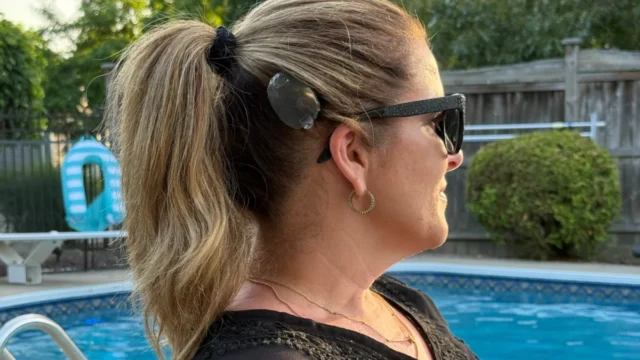

The experience of hearing sounds as doubled, distorted, or out of tune can be profoundly unsettling, particularly when it emerges unexpectedly. Diplacusis itself is not typically a standalone diagnosis but rather a symptom that points towards an underlying issue within the auditory system. Identifying the root cause is crucial, and this is where the expertise of audiologists, ENT specialists, and other qualified healthcare professionals becomes indispensable. They play a vital role in diagnosing the cause and outlining potential treatment or management strategies tailored to the individual.
What Exactly Is Diplacusis?
At its core, diplacusis describes a perceptual distortion of sound. Instead of registering a single, coherent auditory signal, the brain receives and processes information in a way that creates a dual perception. This can range from hearing a sound as a slightly different pitch in each ear to experiencing a distinct echo or delay. The term "double hearing" is a more colloquial description of this phenomenon, but the medically recognized term is diplacusis.
The implications of diplacusis extend beyond mere auditory curiosity. It can significantly impair the ability to understand speech, enjoy music, engage in phone conversations, perceive alarms, and navigate environments with background noise. These disruptions can lead to social isolation, reduced quality of life, and a diminished sense of safety and security. The underlying mechanisms of diplacusis often involve the ears, cochlea, auditory nerve, or the complex neural pathways responsible for transmitting sound information to the brain. When these components fail to send synchronized or accurate signals, a mismatch occurs, leading to the characteristic double hearing experience.

The Sound of Double Hearing: A Subjective Symphony of Distortion
Describing the precise sensation of double hearing can be challenging, as it is a highly subjective experience. However, individuals experiencing diplacusis often report several key symptoms that illuminate the nature of this auditory anomaly:
- Perceived Pitch Differences: A single note might sound like two distinct pitches, one higher or lower than the other. This is particularly distressing for musicians or those with a keen ear for musical tones.
- Echo-like Repetition: Sounds may seem to repeat with a slight delay, creating a noticeable echo effect.
- Auditory Distortion: Beyond pitch and timing, sounds can be perceived as generally warped or altered, lacking their usual clarity.
- Asymmetrical Perception: The double hearing effect may be more pronounced or exclusively present in one ear compared to the other.
These symptoms are often most evident when listening to pure tones (like those used in hearing tests), music with its complex harmonic structures, audible alarms, spoken language, audio from telephone calls, or sounds delivered through headphones, which isolate auditory input to each ear.
Classifying Diplacusis: Understanding the Nuances of Dual Perception
To better understand and manage diplacusis, it has been categorized into distinct types based on the nature of the perceptual distortion and whether it affects one or both ears.
-
Diplacusis Binauralis: This refers to diplacusis that occurs when comparing the perception between the two ears. It has two primary subtypes:

- Echoica: This subtype arises when the same sound reaches both ears at slightly different times. The result is a perception of delay or an echo, making it difficult for the brain to fuse the two auditory signals into a single, coherent sound.
- Dysharmonica: In this form, the same sound is perceived at different pitches by each ear. This leads to a disharmonious auditory experience, where music might sound out of tune, or voices may have a noticeable pitch discrepancy between the left and right channels. This is particularly problematic for tasks requiring precise pitch discrimination.
-
Diplacusis Monauralis: This type of diplacusis occurs within a single ear.
- Dysharmonica (Monaural): Within one ear, a single sound is perceived as two distinct tones or pitches. This can manifest as a localized double sound or a feeling of internal dissonance within that ear.
The Phenomenon of Diplacusis Dysharmonica
Diplacusis dysharmonica, characterized by a pitch mismatch, is a particularly challenging form of double hearing. It can leave individuals feeling that one ear is "off" or that sounds are inherently discordant. For musicians, this can be a career-altering symptom, impacting their ability to perform and appreciate music. The underlying causes are often linked to asymmetrical hearing loss, where one ear’s hearing is significantly different from the other, or sensorineural hearing loss, which affects the inner ear or auditory nerve. The precise processing of pitch by the cochlea and its neural pathways is complex, and any disruption can lead to this dysharmonic perception. Currently, there is no universal "cure" for diplacusis dysharmonica; management strategies are contingent upon identifying and addressing the root cause.
The Echoes of Diplacusis Echoica
Diplacusis echoica introduces a temporal distortion to auditory perception. The slight difference in the arrival time of a sound to each ear creates a sense of repetition or an echo. This temporal disparity can significantly hinder auditory processing, especially in noisy environments. The brain’s task of separating desired speech from background noise becomes exponentially more difficult when the incoming auditory signals are already temporally mismatched. This can lead to fatigue, frustration, and a constant struggle to keep up with conversations.
Unraveling the Causes of Diplacusis

The fundamental reason behind diplacusis is a discrepancy in how the auditory system transmits or processes sound information to the brain. This can stem from a variety of factors affecting the ears, auditory pathways, or the brain’s auditory centers. Common causes include:
- Earwax Blockage: Excessive earwax can obstruct the ear canal, altering sound conduction and potentially leading to temporary diplacusis.
- Ear Infections: Infections, particularly those affecting the middle ear, can cause fluid buildup and pressure changes, distorting sound perception.
- Sudden Sensorineural Hearing Loss (SSNHL): This is a medical emergency characterized by a rapid loss of hearing, often in one ear. Diplacusis can be an accompanying symptom, indicating damage to the inner ear or auditory nerve.
- Loud Noise Exposure: Acute exposure to extremely loud noises (acoustic trauma) or prolonged exposure to high-intensity sounds can damage the delicate hair cells in the cochlea, leading to hearing loss and associated perceptual distortions like diplacusis.
- Inner Ear Disorders: Conditions affecting the inner ear, such as Meniere’s disease or labyrinthitis, can disrupt the balance and sound processing mechanisms, resulting in diplacusis.
- Ototoxic Medications: Certain medications known to be toxic to the ear can cause damage to the cochlea, leading to hearing loss and diplacusis.
- Head Trauma: Injuries to the head can affect the auditory pathways or the brain’s auditory processing centers.
- Neurological Conditions: Conditions affecting the brain and its nervous system, such as multiple sclerosis or stroke, can impact auditory processing.
- Age-Related Hearing Loss (Presbycusis): As hearing naturally declines with age, the efficiency of auditory processing can diminish, sometimes leading to diplacusis.
- Tumors: In rare cases, tumors affecting the auditory nerve or brainstem can cause diplacusis.
The duration of diplacusis is highly variable and directly correlates with its underlying cause. Temporary issues like earwax or congestion may resolve quickly once addressed. However, when diplacusis is linked to permanent hearing loss, acoustic trauma, or SSNHL, it may persist and require ongoing management strategies.
The Emergence of Diplacusis in a Single Ear
The experience of double hearing in one ear is not uncommon. This monaural diplacusis can arise when a specific issue affects only one ear. This could be anything from a localized earwax impaction or infection to more significant problems like hearing loss, trauma, or neurological conditions that selectively impact one side of the auditory system. Symptoms localized to one ear should not be dismissed, especially if they appear suddenly. A thorough hearing assessment is crucial to differentiate between conductive hearing loss (related to the outer or middle ear), sensorineural hearing loss (related to the inner ear or auditory nerve), or mixed hearing loss, all of which can contribute to diplacusis. When one ear’s auditory input is significantly different from the other, the brain faces a greater challenge in integrating these disparate signals into a cohesive listening experience.
The Temporal Dimension: How Long Does Diplacusis Last?
The prognosis for diplacusis is intrinsically tied to its cause. For temporary conditions such as:
- Earwax Buildup: Once safely removed by a professional, hearing typically returns to normal.
- Ear Infections: With appropriate antibiotic or antiviral treatment, the infection and associated symptoms, including diplacusis, often resolve.
- Congestion/Sinus Issues: When the underlying congestion clears, the pressure on the middle ear can normalize, alleviating diplacusis.
In cases where diplacusis is a symptom of more enduring conditions, the timeline shifts:
- Sudden Sensorineural Hearing Loss (SSNHL): Early and aggressive treatment, often involving corticosteroids, offers the best chance for partial or full recovery. However, some degree of permanent hearing loss and persistent diplacusis can remain.
- Acoustic Trauma: Depending on the severity of the damage to the cochlear hair cells, diplacusis can be temporary or permanent.
- Permanent Hearing Loss: If diplacusis is a consequence of irreversible hearing loss, it may persist indefinitely, requiring strategies for management and adaptation.
Individuals experiencing sudden, persistent, or worsening double hearing, particularly when it affects only one ear, should seek immediate medical attention. Over time, some individuals can learn to adapt to persistent diplacusis through various forms of hearing support, sound therapy, and auditory rehabilitation.
Diagnosing the Double Sound: A Comprehensive Approach
The diagnostic process for diplacusis begins with a thorough medical history. A healthcare professional will inquire about the onset of symptoms, whether one or both ears are affected, and the presence of other auditory or vestibular issues such as tinnitus (ringing in the ears), dizziness, a feeling of ear fullness, ear pain, or any signs of infection. They will also explore potential contributing factors like recent exposure to loud noise, head trauma, or changes in medication.
A physical examination of the ear canal and eardrum is essential to rule out obvious issues like earwax blockage, fluid accumulation behind the eardrum, or signs of infection.
Key audiological assessments play a crucial role in diagnosing diplacusis:

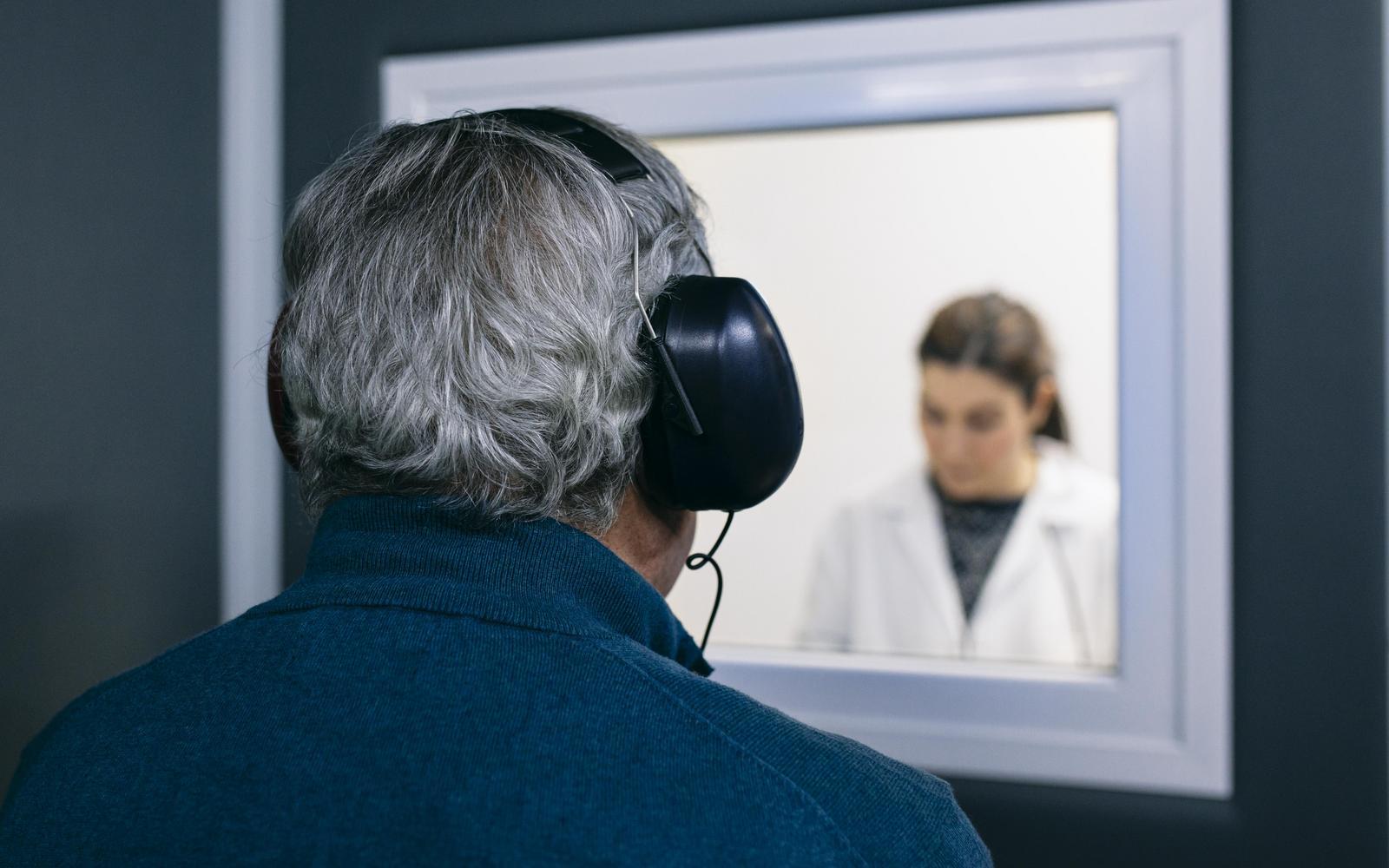
- Pure Tone Audiometry: This standard hearing test measures hearing thresholds across a range of frequencies, helping to identify any hearing loss and its degree.
- Speech Testing: This evaluates the ability to understand spoken words in quiet and noisy environments, which can be significantly affected by diplacusis.
- Pitch Matching: For suspected diplacusis dysharmonica, specific tests may involve asking the patient to match pitches presented to each ear, or to identify pitch differences.
- Tympanometry: This test assesses the function of the middle ear.
In cases where symptoms are sudden, unilateral, complex, or accompanied by neurological signs like dizziness or facial weakness, referral to an Ear, Nose, and Throat (ENT) specialist is often warranted for further investigation, potentially including imaging studies.
Treatment and Management: Tailoring Solutions to the Cause
The approach to treating diplacusis is highly individualized, dictated by the identified underlying cause.
-
Treating Temporary Causes:
- Earwax Removal: Professional and safe removal of impacted earwax can often resolve temporary diplacusis. It is crucial to avoid DIY methods like ear candling or using cotton swabs, which can push wax deeper or cause injury.
- Infection and Inflammation: Antibiotics, antiviral medications, or anti-inflammatory drugs may be prescribed to treat ear infections or other inflammatory conditions.
- Congestion: Managing nasal and sinus congestion through decongestants or other appropriate treatments can alleviate pressure on the middle ear.
-
Managing Diplacusis Associated with Hearing Loss:
- Hearing Aids: For individuals with hearing loss contributing to diplacusis, hearing aids can amplify sounds, making them clearer and potentially more balanced between the ears. While hearing aids do not "cure" diplacusis directly, they can improve auditory access and reduce the cognitive load of listening.
- Auditory Rehabilitation and Sound Therapy: These programs involve exercises and strategies designed to help the brain better process and interpret distorted auditory signals. This can improve speech understanding and the ability to navigate complex listening environments.
- Tinnitus Management: Since tinnitus can co-occur with diplacusis, therapies aimed at managing tinnitus can indirectly improve overall auditory well-being.
-
Advanced Hearing Solutions:
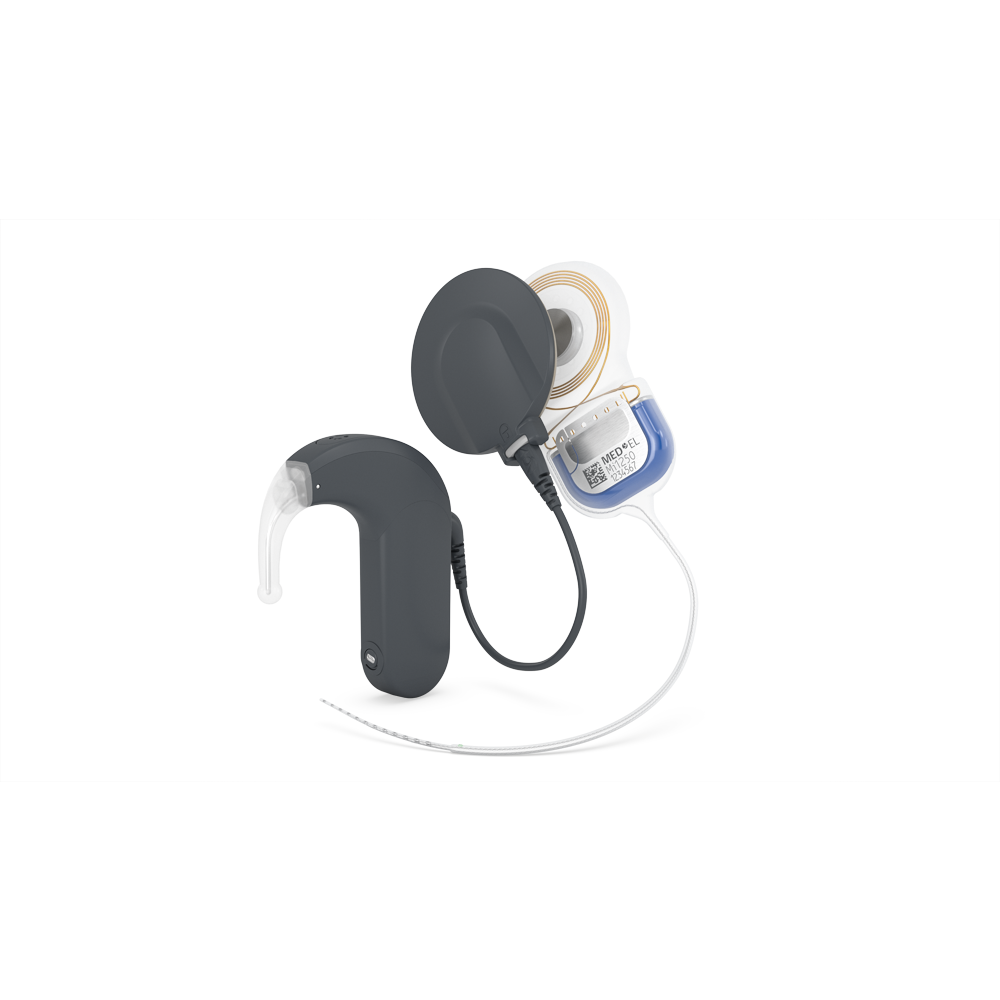
- Hearing Implants: In cases of severe-to-profound sensorineural hearing loss, or for individuals with single-sided deafness (SSD), hearing implantable devices may be considered.
- Cochlear Implants: These devices bypass damaged parts of the cochlea and directly stimulate the auditory nerve, offering a potential solution for profound hearing loss and associated perceptual distortions. They are typically considered for individuals who receive little to no benefit from conventional hearing aids.
- Auditory Brainstem Implants (ABIs): In very specific cases where the auditory nerve is not functioning, ABIs can bypass the nerve entirely and stimulate the brainstem’s auditory centers.
- Hearing Implants: In cases of severe-to-profound sensorineural hearing loss, or for individuals with single-sided deafness (SSD), hearing implantable devices may be considered.
The decision to pursue hearing implant technology is a complex one, made in consultation with a specialized medical team after thorough assessment of the individual’s hearing loss and overall health. These advanced solutions aim to restore a more balanced and functional auditory experience, potentially mitigating the effects of diplacusis.
When to Seek Urgent Medical Attention
Certain accompanying symptoms alongside double hearing warrant immediate medical evaluation. These red flags indicate a potential urgent medical issue that requires prompt diagnosis and treatment:
- Sudden Hearing Loss: A rapid onset of hearing impairment, especially in one ear.
- Severe Vertigo or Dizziness: Intense spinning sensations or loss of balance.
- Severe Ear Pain: Intense or persistent pain in the ear.
- Facial Weakness or Numbness: Any loss of sensation or movement on one side of the face.
- Neurological Symptoms: Such as severe headache, confusion, or vision disturbances.
- Ear Discharge: Oozing from the ear, particularly if accompanied by fever.
For persistent, worsening, or significantly bothersome diplacusis that does not resolve spontaneously, scheduling an appointment with an audiologist, ENT specialist, or other qualified healthcare professional is essential for a comprehensive evaluation and to discuss appropriate management strategies.
Key Takeaways on Diplacusis
- Diplacusis, or double hearing, is a symptom where a single sound is perceived as two distinct sounds, often differing in pitch or exhibiting an echo.
- It can be monaural (affecting one ear) or binaural (involving a pitch mismatch between ears).
- Causes range from temporary issues like earwax and infections to more serious conditions like sudden hearing loss and inner ear disorders.
- The experience can significantly impact speech understanding, enjoyment of music, and overall communication.
- Diagnosis involves a thorough medical history, physical examination, and audiological testing.
- Treatment is dependent on the underlying cause and may include professional ear cleaning, medication, hearing aids, auditory rehabilitation, or in severe cases, hearing implantable devices.
- Sudden onset, accompanied by severe symptoms like dizziness or facial weakness, requires urgent medical attention.
Understanding diplacusis is the first step toward effective management and improving the quality of life for those affected by this intricate auditory distortion. Consulting with hearing healthcare professionals is paramount to navigating the complexities of this condition and finding the most suitable path toward clearer hearing.