A Lifelong Journey with Hearing Loss
Dr. Brogan’s profound connection to audiology stems from her own experiences. Her hearing loss, which is hereditary and affects two other family members who are also cochlear implant users, began its slow progression in her teenage years. She recalls her first hearing test at age 14 and receiving her initial hearing aids at 18. Vivid early memories include the frustration of being unable to hear passengers in the back seat while driving and the challenges of discerning the bagpipes during competitive Highland dancing.
By her late thirties, a period marked by raising two children and building her audiology practice, her hearing aids were no longer sufficient to meet her communication and lifestyle needs. This realization prompted her decision to pursue bilateral cochlear implants, a significant step that would fundamentally alter her relationship with sound.
The Water Barrier: A Personal Struggle
Despite a lifelong passion for water activities, including skiing, extensive travel, and spending time outdoors, Dr. Brogan’s hearing loss created a significant barrier. For two decades, while relying on hearing aids, water became an area of increasing avoidance. The primary concerns were the potential damage to her devices and, conversely, the complete loss of auditory input if she removed them. This led to a gradual withdrawal from cherished activities such as beach trips, boat excursions, and poolside gatherings, forcing her to choose between protecting her technology and staying connected.
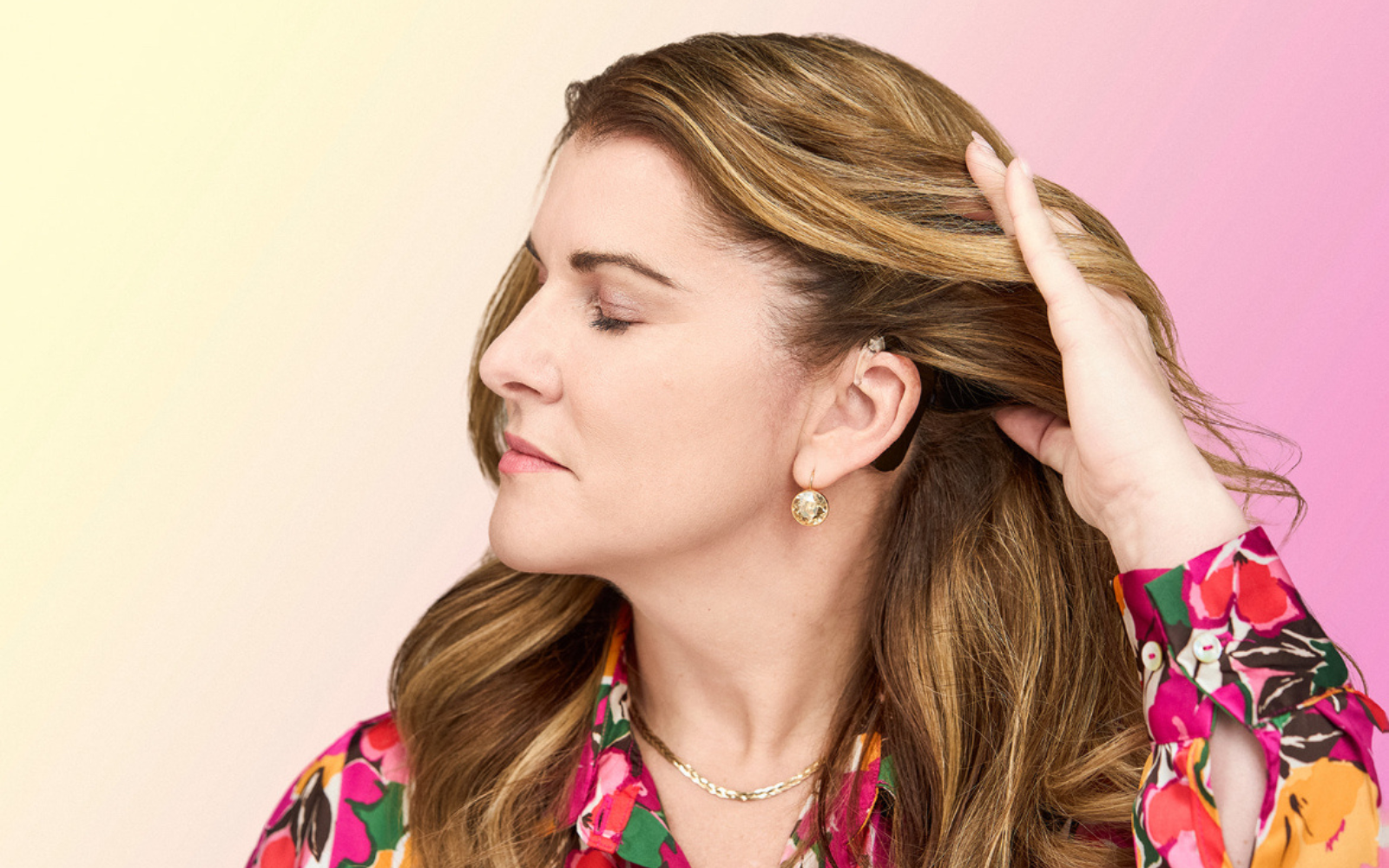
"Over time, I simply stopped doing many of the activities I once loved," Dr. Brogan stated in her personal account. This sentiment highlights a common challenge faced by individuals with hearing loss, where the fear of damaging assistive devices or the isolation of being unable to hear can significantly impact quality of life.
Understanding the Need: The Impact of Bilateral Implants and Water
For many individuals with bilateral cochlear implants, removing both audio processors means a complete cessation of hearing. This can be particularly isolating and poses safety concerns in environments where auditory cues are crucial. This reality underscores the importance of waterproof solutions, not only for recreational purposes but also for maintaining communication and ensuring safety around water.
The market for hearing assistive devices and accessories has seen significant growth, driven by increasing awareness of hearing health and the desire for individuals to maintain active lifestyles. Innovations like WaterWear are critical in bridging the gap between technological limitations and the pursuit of an uncompromised life. According to market research reports, the global hearing aids market is projected to reach billions of dollars in the coming years, with a growing segment focused on specialized accessories that enhance the usability of hearing devices in diverse environments.
The Revelation: Hearing Underwater with WaterWear
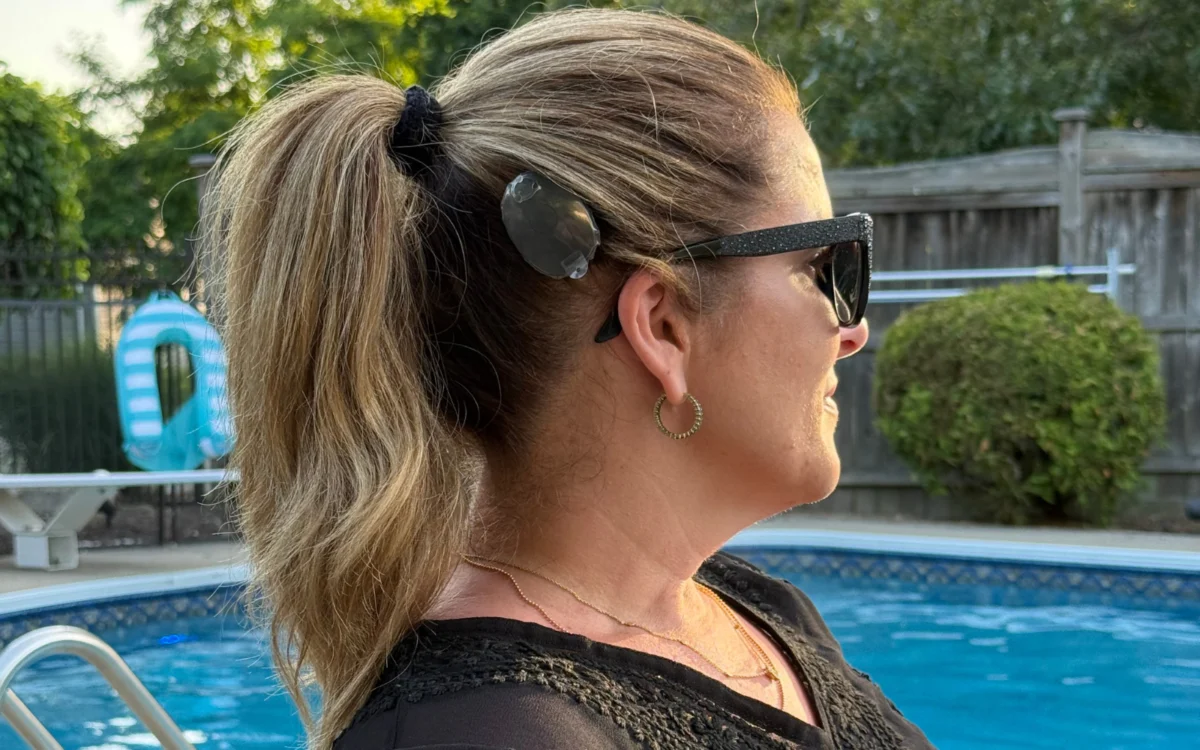
Dr. Brogan’s experience with MED-EL’s WaterWear accessory marked a significant turning point. She recalls the profound surprise and delight of discovering she could hear while fully submerged. This ability to maintain auditory connection even underwater offered a newfound sense of freedom and immersion in activities previously deemed inaccessible.
One particularly cherished memory involved floating in her pool, completely relaxed, while still clearly hearing her children’s laughter and playful splashes. This seemingly small moment represented a profound shift, allowing her to be fully present and engaged with her family.

WaterWear: A Catalyst for Reconnection and Confidence
"WaterWear has truly been life-changing," Dr. Brogan affirmed. "I can spend time around the pool, get into the water without worrying about my processors, and simply enjoy being present with my family." This sentiment is echoed by many users who find that specialized accessories allow them to live their lives more fully, rather than adapting their activities around their hearing technology.
The implications of such accessories extend beyond personal enjoyment. For audiologists and cochlear implant users, the ability to recommend and utilize waterproof solutions can directly address patient concerns about lifestyle limitations. Dr. Brogan, in her professional capacity, often encounters individuals hesitant to pursue cochlear implants due to fears of restricted water activities. Her personal testimony serves as powerful evidence that these fears are often surmountable.
Travel Without Compromise
Travel has always been an integral part of Dr. Brogan’s life, and WaterWear has become an indispensable travel companion. The accessory has significantly enhanced her vacation experiences, allowing her to confidently enjoy hotel pools, hot tubs, beaches, boats, and lakes without the constant anxiety of protecting her hearing equipment.
A particularly memorable incident occurred during a family trip to Arizona. While on a speedboat with her daughter wakeboarding, she was able to jump into the lake with the rest of the family when they stopped. This spontaneous participation, which would have been unthinkable before WaterWear, exemplifies the profound impact of such technology on enabling individuals to seize the moment.
Beyond Waterproofing: Enhancing Communication and Safety

Dr. Brogan emphasizes that WaterWear’s benefits extend beyond mere protection. "With WaterWear, I can hear people talking, I can hear the boat, and I can stay connected to conversations," she explained. "That’s enjoyable, but it’s also important for communication and safety." The ability to remain aware of one’s surroundings through auditory cues is paramount in water-based activities, where unexpected events can occur.
The implications for safety are particularly significant. In environments like busy lakes or open oceans, auditory awareness can be critical for navigation, communication with fellow participants, and understanding potential hazards. For individuals with hearing loss, maintaining this auditory connection is not just about convenience but about an enhanced level of safety and security.
Restoring Confidence and Social Engagement
The most significant impact of cochlear implants and accessories like WaterWear, according to Dr. Brogan, is the restoration of confidence. This newfound confidence allows for greater social engagement, the willingness to try new experiences, and the freedom to participate fully in life’s activities without the constant apprehension associated with hearing loss.
"Before WaterWear, I often avoided being around water because I knew I’d eventually have to remove my processors. Now, instead of feeling distressed, I feel confident, connected, and free to enjoy the activities I love with the people I love," she articulated. This emotional and psychological transformation underscores the holistic benefits of advanced hearing technology.
Addressing Common Concerns: Frequently Asked Questions
Dr. Brogan’s insights also address common queries from individuals considering or using cochlear implants and waterproof accessories:
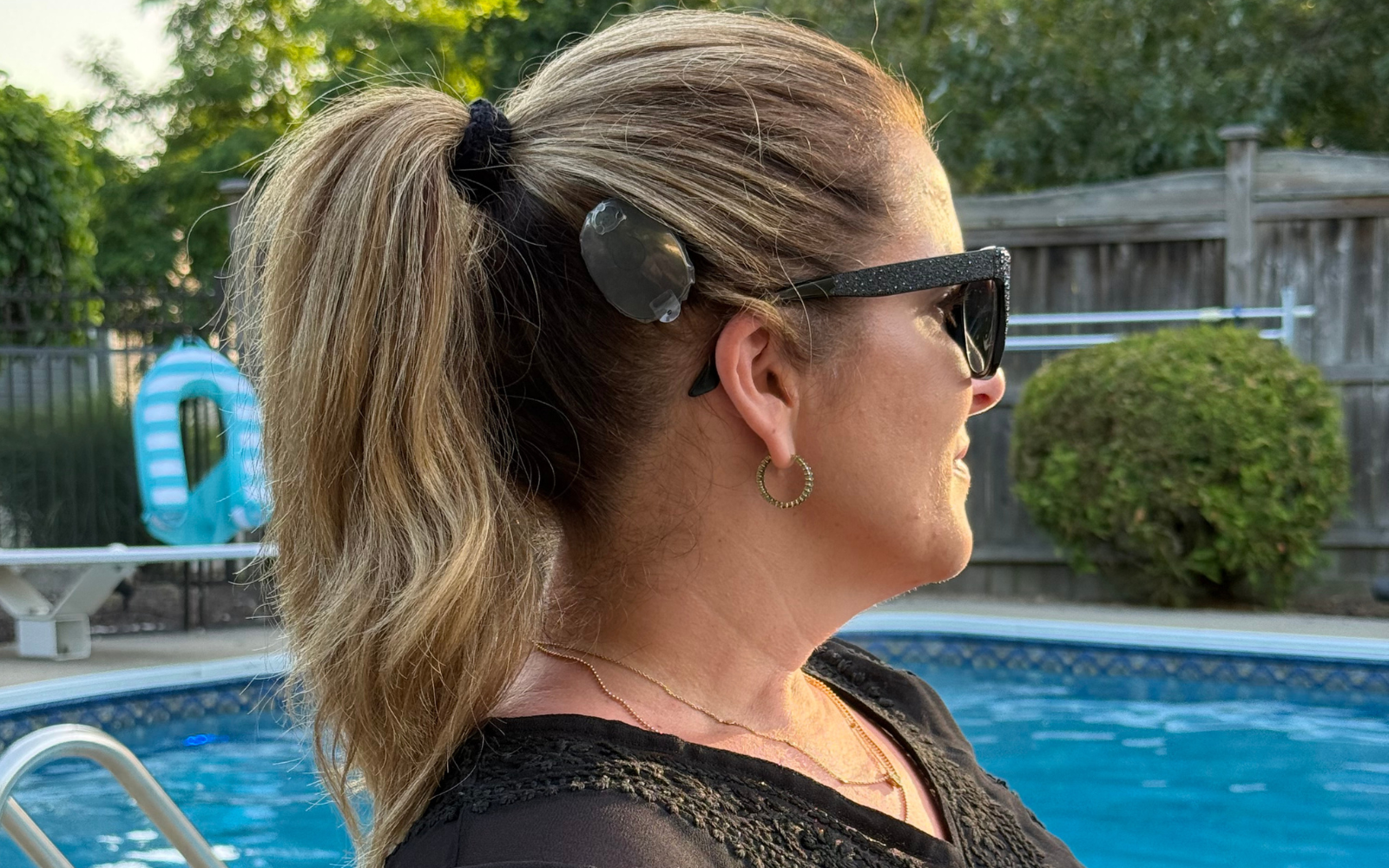
- Can you really hear while swimming? Yes. Dr. Brogan confirms that hearing even while fully submerged is a surprising and significant benefit of WaterWear.
- Is WaterWear only useful for swimming? No. It is valuable for a wide range of water-adjacent activities, including boating, paddleboarding, beach visits, hot tubs, and general water-related vacations.
- Who can benefit from WaterWear? The accessory is beneficial for anyone who enjoys active lifestyles around water, including children at splash pads, families at pools, and individuals engaged in boating, kayaking, rafting, paddleboarding, cruises, or simply relaxing at the beach.
- Does WaterWear really make a difference? Absolutely. For users like Dr. Brogan, it provides the confidence to participate fully in activities, rather than feeling restricted or on the sidelines.
Empowering a Lifestyle Without Limits
When asked about lifestyle limitations imposed by cochlear implants, Dr. Brogan’s response is consistently affirmative: there are very few. Her ability to ski, cycle, paddleboard, travel extensively, and spend ample time outdoors demonstrates that modern hearing technology, when complemented by appropriate accessories, can expand, rather than restrict, one’s world.
The rewarding aspect of her work, she notes, is witnessing this transformative journey in others. The gradual reclaiming of life’s moments, coupled with increased connection, confidence, and reduced fear, is a testament to the power of innovative hearing solutions.
Broader Implications and Future Outlook
The story of Dr. Nashlea Brogan and her experience with WaterWear highlights a critical trend in the hearing healthcare industry: the increasing focus on lifestyle integration and user empowerment. As technology advances, the emphasis is shifting from merely addressing hearing loss to enabling individuals to live their lives to the fullest, without compromise.
The development of robust, waterproof accessories like WaterWear is not just a niche product enhancement; it represents a fundamental step towards making cochlear implant technology more accessible and adaptable to the diverse needs and desires of its users. This innovation has significant implications for:
- Patient Education and Counseling: Audiologists can now confidently reassure potential CI candidates about their ability to maintain active, water-centric lifestyles.
- Technological Advancement: The success of WaterWear can spur further innovation in waterproof and submersible audio processing units.
- Quality of Life Metrics: Improvements in the ability to participate in recreational activities directly correlate with enhanced psychological well-being and overall quality of life for individuals with hearing loss.
As the demand for solutions that seamlessly integrate with daily life continues to grow, accessories like WaterWear will play an increasingly vital role in shaping the future of hearing rehabilitation, ensuring that individuals can live life on their own terms, connected to the sounds and experiences that matter most.