A Statistical Overview: The Human Cost of Construction
To understand the current progress, one must first acknowledge the severity of the crisis. Historically, construction workers have been at a disproportionately high risk for suicide and substance use. The Bureau of Labor Statistics (BLS) and the Centers for Disease Control and Prevention (CDC) have previously identified the construction sector as having one of the highest suicide rates among all major industry groups.
The correlation between job-related stressors—such as chronic pain, seasonal unemployment, and the isolation associated with transient work—and mental health crises is well-documented. When the CPWR released its latest figures, the reduction in deaths served as a validation for the targeted interventions implemented over the last several years. However, industry experts caution that a single year of improvement does not equate to a systemic fix. The challenge now lies in institutionalizing these gains, ensuring that the downward trend becomes a permanent feature of the industry rather than a temporary anomaly.

Chronology of Industry Intervention
The push for mental health awareness in construction did not occur in a vacuum. It was the result of a multi-year mobilization of trade unions, industry associations, and safety advocacy groups.
- 2019–2020: The conversation shifted from "safety" as a strictly physical concept to "total worker health." Organizations like the Construction Industry Alliance for Suicide Prevention (CIASP) began providing resources, such as "toolbox talks" specifically designed to destigmatize mental health discussions.
- 2021–2022: During the post-pandemic recovery, labor shortages intensified the pressure on existing crews. The industry responded by integrating mental health awareness into standard safety training modules, recognizing that a distracted or mentally burdened worker is a safety hazard to their entire team.
- 2023: A concerted effort was made to increase access to Employee Assistance Programs (EAPs) and peer-support networks. This period saw the most significant investment in telehealth services, which provided workers with confidential access to counseling that fit their irregular schedules.
- 2024: The data release confirmed that these efforts were yielding measurable results, with the 29% drop in overdose deaths signaling the efficacy of enhanced opioid-awareness and addiction-support protocols on major job sites.
The Intersection of Jobsite Realities and Mental Health
The primary hurdle to sustained improvement remains the "tough-it-out" culture that permeates the trades. The nature of construction—early morning starts, long hours, physical labor, and the frequent need for travel—often leaves little bandwidth for personal care.

When a worker arrives at a job site, they carry the cumulative weight of these stressors. A lack of sleep, a long commute, or domestic financial strain can manifest as a lack of focus. In a high-risk environment involving cranes, heights, and heavy equipment, a momentary lapse in concentration can lead to catastrophic accidents. Consequently, mental health is no longer viewed as a peripheral issue but as a core component of operational safety.
Safety leaders are now being encouraged to evaluate their sites through a human-centric lens. This involves assessing the "quality of life" on the job. Simple, tangible improvements—such as maintaining clean, accessible, and dignified restroom facilities, ensuring adequate lighting, and providing hydration and rest stations—serve as indicators of a company’s respect for its workforce. When a worker feels that their basic dignity is prioritized, they are more likely to report feeling valued, which in turn fosters a culture where seeking help is seen as a sign of strength rather than weakness.

Analysis of Policy and Corporate Responsibility
From a policy perspective, the decline in fatalities suggests that corporate investment in mental health is yielding a return on investment (ROI) that extends beyond human lives saved. Reduced turnover, improved job performance, and lower insurance premiums are the byproduct of a healthier, more supported workforce.
However, industry analysts suggest that the next phase of this progress requires a shift toward systemic support. This includes:

- Peer-Led Initiatives: Recognizing that workers are more likely to confide in a trusted colleague than a supervisor, many firms are training "peer messengers" who can identify signs of distress and point colleagues toward professional resources.
- Integrating Mental Health into Safety Culture: Just as workers are taught to inspect their harnesses and scaffolding, they are being taught to recognize the warning signs of burnout and depression.
- Flexible Support Structures: Because construction schedules are rigid, traditional office-hours therapy is often inaccessible. Expanding the use of text-based therapy and mobile-friendly mental health apps has been critical to the recent decline in fatalities.
Challenges to Sustained Progress
Despite the positive data, the industry faces persistent headwinds. The ongoing labor shortage means that many sites are understaffed, leading to increased overtime and heightened stress levels for the workers remaining on the job. Furthermore, the volatility of the construction market can create periods of high financial anxiety, a known trigger for substance use and suicide.
Experts from the CPWR and other advocacy bodies argue that the progress seen in 2024 must be met with increased vigilance. The "safety-first" mantra must explicitly include the mental and emotional stability of the individual. If companies revert to focusing solely on physical accident statistics while ignoring the underlying mental health triggers, the gains achieved over the last 24 months risk being reversed.

Broader Implications for the Trades
The broader implication of this trend is a transformation of the construction industry’s reputation. As the sector moves toward a more holistic view of safety, it becomes a more attractive career path for the next generation of workers. By acknowledging the human realities of the trade—the toll on the body and the mind—the industry is positioning itself to be more resilient and sustainable.
Ultimately, the goal is to create a culture where the question, "How are you doing?" is asked with as much sincerity as, "Is the site secured?" If the industry continues to treat mental health with the same rigor as fall prevention, the decline in suicide and overdose deaths will not just be a one-time success, but a foundational shift in how the construction world protects its most valuable asset: its people.

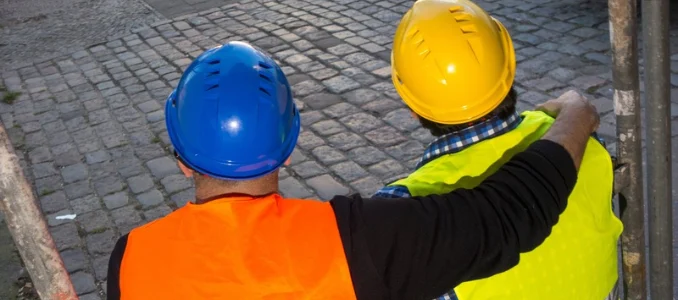
As the industry moves forward, the focus must remain on the individual worker. Whether it is through improved job site conditions, better access to care, or the simple, profound act of a colleague checking in on a peer, the path toward a safer future is built on the same principles that built the skyscrapers and bridges of the modern world: preparation, consistency, and a commitment to looking out for one another.