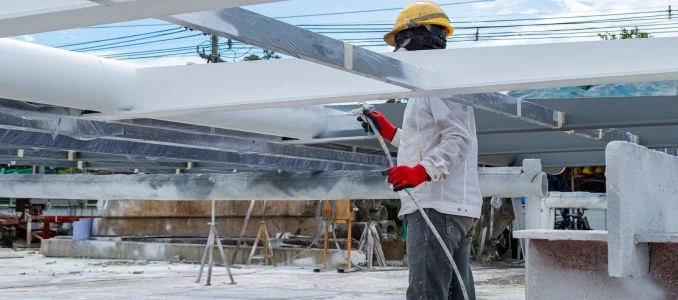
For decades, the application of fire-resistive materials has been a nuanced trade, often subject to varying standards depending on the manufacturer’s specifications and local building codes. By mandating state-level certification, Washington is moving to eliminate the variability in application quality that has historically posed risks to life safety and property protection. This enforcement action applies specifically to workers engaged in the application of spray-applied fire-resistive materials (SFRM) and other specialized coatings on designated commercial and industrial structures.
The Regulatory Framework and Certification Mandate
The current enforcement strategy is rooted in legislative efforts to codify safety standards for the building envelope. Under these rules, construction companies are now strictly prohibited from assigning non-certified personnel to fire-resistant material application tasks. The certification process is designed to verify that applicators possess a comprehensive understanding of substrate preparation, material mixing ratios, thickness requirements, and the environmental conditions necessary to ensure that fire-retardant coatings perform as engineered during a fire.
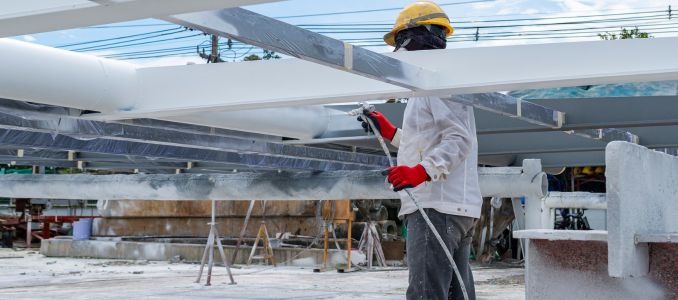
State officials have emphasized that the certification is not merely a bureaucratic hurdle but a critical safety intervention. Fire-retardant coatings are engineered to insulate steel members, preventing them from reaching critical failure temperatures—typically around 1,000 to 1,200 degrees Fahrenheit—where steel begins to lose its load-bearing capacity. When these materials are applied incorrectly, they can delaminate, crack, or fail to provide the required hourly fire-resistance rating, potentially leading to catastrophic structural collapse during a fire emergency.
Chronology of Implementation
The path to this enforcement phase has been marked by a multi-year effort to modernize building safety standards in Washington. The progression of these requirements can be traced through several key milestones:
- Initial Legislative Drafting: Recognizing the gap in oversight for specialty trades, state lawmakers initiated discussions on professionalizing the fireproofing applicator role to align with modern international building codes.
- Rulemaking and Public Comment: Over the past 24 months, the Department of Labor & Industries engaged in a transparent rulemaking process, inviting feedback from engineering firms, general contractors, labor unions, and material manufacturers. This phase was essential to refining the competency standards that instructors and applicators must now meet.
- The Grace Period: Following the adoption of the regulations, the state provided a grace period, allowing contractors to phase out non-certified practices and enroll their personnel in accredited training programs.
- Active Enforcement Commencement: As of the current date, the grace period has concluded. L&I inspectors are now authorized to conduct onsite audits at qualified construction sites, requesting documentation of certification for every individual performing fire-resistant material application.
Supporting Data and Technical Context
The necessity for these regulations is backed by extensive fire safety data. According to the National Fire Protection Association (NFPA), structural failure in steel-framed buildings is a primary concern in high-rise fire scenarios. The performance of spray-applied fireproofing is heavily dependent on "field conditions," which include humidity, ambient temperature, and the skill level of the applicator.
Data from recent building code assessments suggest that human error remains the leading cause of non-compliant fireproofing installations. In jurisdictions without rigorous certification requirements, audits have frequently revealed instances where thickness—the primary metric for fire resistance—fell 15 to 20 percent below specified requirements. By moving to a certified applicator model, Washington aims to reduce these discrepancies, bringing field results closer to laboratory-tested performance ratings.

The state’s recruitment of authorized training providers is a strategic component of this mandate. To ensure that training remains accessible, the state has removed fees for organizations seeking to become approved course sponsors. However, the rigor of these courses is non-negotiable. Instructors must demonstrate a depth of knowledge that includes technical proficiency in ASTM (American Society for Testing and Materials) standards, such as ASTM E119, which serves as the standard test method for fire tests of building construction and materials.
Official Responses and Industry Reception
While the mandate places an additional administrative burden on construction firms, the industry reception has been largely supportive, particularly from professional contractors who have long invested in internal training.
"Safety is a competitive advantage," noted a representative from a regional construction trade association. "By mandating certification, the state is effectively leveling the playing field. Companies that have historically invested in high-quality training and precision application are no longer undercut by firms that cut corners on safety labor."
Conversely, some smaller subcontracting firms have expressed concerns regarding the time required for employees to complete the certification curriculum. To address these concerns, L&I has emphasized that the three-year validity period for training designations allows for a structured, manageable transition. The department has also provided resources for small businesses to help them identify approved training partners that offer flexible scheduling, including online and hybrid modules.
Broader Implications for the Construction Industry
The enforcement of these certification rules carries several long-term implications for the Washington construction sector:
1. Standardization of Quality Control
The most immediate impact will be the reduction of "field variance." With standardized training, the industry can expect a higher degree of consistency in the quality of fireproofing applications. This, in turn, may lead to lower insurance premiums for building owners and developers, as the risk profile of steel-framed buildings is better managed.
2. Workforce Professionalization
The requirement elevates the role of the fireproofing applicator from a general laborer position to a specialized, skilled trade. This shift could lead to better wage outcomes for workers who obtain certification, potentially attracting a more qualified labor pool to the specialty trade sector.
3. Regulatory Alignment with National Standards
By formalizing these requirements, Washington is aligning itself with more stringent building safety codes observed in other high-growth urban centers, such as New York and Chicago. This alignment makes it easier for national construction firms to operate across state lines, as they can rely on a consistent regulatory framework that values technical competence.
4. Future-Proofing Urban Infrastructure
As urban centers in Washington continue to densify, the reliance on vertical construction increases. Ensuring the fire safety of these structures is essential for public trust and long-term city planning. The certification mandate acts as a safeguard against the risks inherent in rapid urban development.
Verification and Compliance Procedures
For contracting firms and individual workers looking to comply with these new mandates, the Department of Labor & Industries has established a centralized portal for information. Contractors are responsible for ensuring that their records are up to date and readily available for inspector review during site visits.
Failure to comply with these regulations can result in significant consequences. In addition to potential stop-work orders—which can cause costly delays in construction timelines—contractors may face fines and potential liability issues should a fire-related incident occur in a building where non-certified personnel were utilized for fireproofing.
The process for becoming an approved training sponsor is similarly detailed. Interested organizations must submit a curriculum proposal that aligns with state-defined competency standards. Once approved, these organizations become the pillars of the state’s safety infrastructure, tasked with ensuring the next generation of applicators is fully equipped to protect life and property.
Conclusion
Washington’s proactive enforcement of fireproof applicator certification is a definitive step toward higher safety standards in the construction industry. By bridging the gap between theoretical engineering and field application, the state is addressing a critical vulnerability in modern structural safety. As the enforcement phase gains momentum, the construction community, from project managers to specialized subcontractors, will need to remain diligent in maintaining certification compliance.
Ultimately, this initiative serves as a reminder that safety is not a static goal but an ongoing commitment. Through consistent oversight, standardized training, and a clear regulatory framework, Washington is setting a benchmark that emphasizes the value of professional competence in protecting the built environment. As construction continues to evolve, these standards will likely serve as a model for other jurisdictions seeking to enhance structural resilience through human-centered safety interventions. Organizations and individuals are encouraged to engage with L&I program administrators to clarify specific project requirements and ensure that all onsite work meets the rigorous demands of the new regulatory landscape.