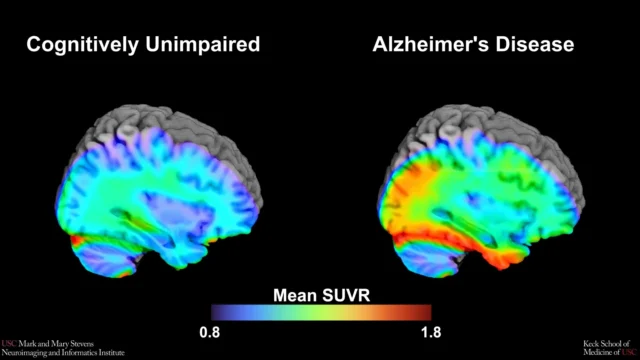

The research arrives at a pivotal moment in public health. As the global population ages, the prevalence of neurodegenerative conditions like Alzheimer’s disease is projected to rise sharply. Currently, an estimated 6.7 million Americans are living with Alzheimer’s, a figure that places an immense strain on healthcare systems and family caregivers. However, the UT Health San Antonio study contributes to a growing body of evidence suggesting that cognitive decline is not an inevitable consequence of aging. Instead, nearly 40% of Alzheimer’s cases may be linked to modifiable risk factors, with cardiovascular health emerging as one of the most influential levers for protecting the aging brain.
The Chronology of Longitudinal Research in South Texas
The insights gained from this study are the result of decades of longitudinal observation within the South Texas community. To understand the relationship between midlife health and late-life cognition, researchers analyzed data from 402 participants originally enrolled in the San Antonio Heart Study (SAHS) and subsequently followed in the San Antonio Longitudinal Study of Aging (SALSA).
The San Antonio Heart Study was a landmark project initiated in 1979. For over two decades, it tracked more than 5,000 individuals to investigate the root causes of Type 2 diabetes and cardiovascular disease, particularly within the Mexican American community. This work laid the foundation for SALSA, which pivoted the focus toward chronic diseases of aging and the development of physical and cognitive disabilities. By utilizing this existing data, the research team, led by co-senior authors Claudia Satizabal, PhD, and Chen-Pin Wang, PhD, was able to bridge the gap between midlife clinical profiles and geriatric cognitive outcomes.
The study cohort had a mean age of 57.9 years during the midlife assessment phase. Demographically, the group was 58.5% female and featured a bi-ethnic composition: 52% were Hispanic, while the remaining 48% were non-Hispanic white. This diversity is a cornerstone of the study’s significance, as Hispanic populations have historically been underrepresented in Alzheimer’s research despite facing a disproportionately high risk of the disease.
Measuring Cardiovascular Health: The Life’s Simple 7 Framework
To quantify cardiovascular health, the research team employed the American Heart Association’s "Life’s Simple 7" (LS7) framework. This metric provides a comprehensive snapshot of an individual’s heart health by evaluating seven modifiable factors, divided into behavioral and biological categories.
The behavioral factors include:
- Physical Activity: Engagement in regular exercise versus a sedentary lifestyle.
- Healthy Diet: Adherence to nutritional guidelines that prioritize whole foods and limit processed sugars and fats.
- Smoking Status: Avoidance of tobacco products.
The biological health factors include:
- Blood Pressure: Maintenance of hypertensive levels within a healthy range.
- Body Mass Index (BMI): Management of weight relative to height.
- Total Cholesterol: Regulation of lipid profiles to prevent arterial plaque buildup.
- Fasting Blood Glucose: The concentration of sugar in the blood after an 8- to 12-hour fast.
While previous studies have shown that high LS7 scores correlate with better brain health, the UT Health San Antonio team sought to determine if certain components of the LS7 framework carried more weight for different ethnic groups.
Ethnic Disparities in Cognitive Aging Factors
The most striking revelation of the study was the divergence in results based on ethnicity. While cardiovascular health was universally beneficial, the specific drivers of cognitive preservation differed between Hispanic and non-Hispanic white participants.
For Hispanic participants, physical activity emerged as the most significant predictor of slower cognitive decline. The data indicated that engaging in any level of physical activity, as opposed to remaining sedentary, provided a protective effect on memory and thinking skills. This finding is particularly relevant given that Hispanic older adults in the U.S. are 1.5 times more likely to develop Alzheimer’s than their non-Hispanic white counterparts. In this group, 14% of adults aged 65 or older have Alzheimer’s, compared to 10% of non-Hispanic whites.
Conversely, for non-Hispanic white participants, fasting blood glucose levels were the primary driver of cognitive outcomes. The study found that fasting glucose readings of 126 milligrams per deciliter (mg/dL) or lower during midlife were associated with a significantly slower rate of cognitive decline in later years. This threshold is critical, as readings above 126 mg/dL are typically used to diagnose diabetes, a condition known to damage small blood vessels in the brain and contribute to vascular dementia.
Statistical Rigor and Cognitive Assessment
To track cognitive changes over time, researchers administered the Mini-Mental State Examination (MMSE) to participants up to four times over the course of the study. The MMSE is a gold-standard screening tool that evaluates a range of cognitive domains, including orientation, memory, attention, and language skills.
The team utilized generalized estimating equation (GEE) models to analyze the relationship between the LS7 scores and the rate of change in MMSE scores. These statistical models were carefully adjusted to account for confounding variables such as age, biological sex, household income, and level of education. Furthermore, the researchers conducted sensitivity analyses to address "attrition bias"—a common challenge in longitudinal studies where participants who drop out might have different health trajectories than those who remain. These checks confirmed that the results remained robust even when accounting for participant turnover.
Expert Analysis of Public Health Implications
The implications of these findings extend far beyond the laboratory. Dr. Claudia Satizabal, who leads the Population Neuroscience Core at the Glenn Biggs Institute for Alzheimer’s and Neurodegenerative Diseases, emphasized the potential for lifestyle-based prevention.
"By improving cardiovascular health through modifiable lifestyle changes, there is a potential to meaningfully alleviate the public health burden of Alzheimer’s disease and other dementias, particularly in high-risk populations," Satizabal stated. Her comments highlight a shift in the medical community from focusing solely on pharmaceutical treatments for dementia to prioritizing "primordial prevention"—stopping the risk factors before they ever lead to brain pathology.
Dr. Janette Vazquez, the study’s first author and a senior postdoctoral fellow at the Glenn Biggs Institute, noted that the research provides a roadmap for future investigations. "Our findings suggest that engaging in any level of physical activity and potentially maintaining optimal fasting blood glucose levels in midlife are associated with a significantly slower rate of cognitive decline in late life," Vazquez said. However, she cautioned that because the results varied so distinctly by ethnicity, larger-scale studies are required to replicate these findings and explore the underlying biological or social reasons for these differences.
The Socioeconomic Context of Cognitive Health
The study also touches upon the broader socioeconomic factors that influence health outcomes in South Texas. Mexican Americans, who constitute the largest Hispanic subgroup in the United States, experience higher rates of obesity, dyslipidemia, and diabetes. These conditions are often exacerbated by "social determinants of health," including limited access to preventive healthcare, food insecurity, and environmental factors that may discourage physical activity.
The researchers pointed out that the inclusion of both ethnic groups from the same geographic setting allowed for a "shared contextual framework." This means that the differences observed were likely not due to geographic or environmental variance alone, but rather to a complex interplay of genetics, cultural lifestyle patterns, and systemic health disparities. By identifying that physical activity is a particularly potent protector for Hispanic populations, public health officials can design more culturally resonant interventions, such as community-based exercise programs, to target high-risk groups.
Future Directions: The San Antonio Heart and Mind Study
The conclusion of this analysis does not mark the end of the research. Participants from the SAHS and SALSA cohorts are currently being invited to participate in the San Antonio Heart and Mind Study (SAHMS). This next phase of research, conducted at the Glenn Biggs Institute, will utilize state-of-the-art neuroimaging, including MRI and PET scans, to look directly at the structure and function of the brain.
By combining the longitudinal clinical data with advanced imaging, researchers hope to identify the exact mechanisms through which midlife cardiovascular health prevents the accumulation of amyloid plaques and tau tangles—the hallmarks of Alzheimer’s disease. "The longitudinal exploration of cardiovascular health throughout life, rather than assessing it at a single time point, could provide further insight into the trajectory phenotypes contributing to cognitive decline by ethnicity," Vazquez added.
Conclusion
The UT Health San Antonio study reinforces a vital message: the health of the heart is inextricably linked to the health of the mind. By focusing on the "Life’s Simple 7" metrics during the middle years of life, individuals may be able to significantly alter their cognitive trajectory. For Hispanic communities, the data suggests that movement—in any form—is a primary defense against the decline of thinking abilities. For non-Hispanic whites, the regulation of blood sugar appears to be a paramount concern.
As the medical community continues to seek a cure for dementia, this research provides a powerful reminder that the most effective tools for brain health may already be within reach. Through physical activity, blood sugar management, and a focus on cardiovascular wellness, the burden of Alzheimer’s disease can be reduced, offering a higher quality of life for aging populations across all ethnic backgrounds. This study serves as a call to action for clinicians to prioritize cardiovascular screenings in midlife and for policymakers to invest in environments that support healthy lifestyles for all.